
Tanzania Safari and Trekking Travel Guide: Step-by-Step for Beginners
Tanzania is one of Africa’s most rewarding destinations, offering a rare combination of world-class wildlife safaris and iconic trekking adventures like Mount Kilimanjaro. If you’re planning your first trip, this step-by-step guide will help you organize everything—from choosing destinations to preparing for the journey.
Step 1: Understand What Tanzania Offers
Tanzania is famous for two main experiences:
- Safari: Explore national parks like Serengeti, Ngorongoro, Tarangire, and Lake Manyara
- Trekking: Climb Mount Kilimanjaro or hike Mount Meru and other scenic trails
You can combine both for a complete adventure.
Step 2: Choose Your Travel Style
Decide how you want to experience Tanzania:
- Budget: Basic camps and group tours
- Mid-range: Comfortable lodges and private tours
- Luxury: High-end lodges, fly-in safaris, premium services
Your budget will affect accommodation, transport, and overall comfort.
Step 3: Pick the Best Time to Visit
Timing is important for both safari and trekking.
Best seasons:
- June to October (Dry season): Ideal for wildlife viewing and climbing
- January to March: Good for trekking and calving season in Serengeti
Rainy seasons:
- April–May (heavy rains)
- November (short rains)
Step 4: Choose Top Safari Destinations
Tanzania has some of Africa’s best parks:
- Serengeti National Park: Famous for the Great Migration
- Ngorongoro Crater: Easy to spot the Big Five
- Tarangire National Park: Known for elephants and baobab trees
- Lake Manyara: Tree-climbing lions and flamingos
You can visit 2–4 parks in one itinerary.
Step 5: Choose Your Trekking Destination
For trekking lovers:
- Mount Kilimanjaro: Africa’s highest peak (best for bucket-list climbers)
- Mount Meru: Less crowded, great for acclimatization
- Usambara & Udzungwa Mountains: Scenic hikes and nature trails
Beginners often start with Kilimanjaro or shorter hikes.
Step 6: Plan Your Itinerary
A balanced itinerary might look like:
- Day 1–2: Arrival in Arusha
- Day 3–9: Kilimanjaro trek
- Day 10: Rest day
- Day 11–14: Safari in Serengeti and Ngorongoro
- Optional: Zanzibar beach extension
Adjust based on your time and budget.
Step 7: Book with a Reliable Tour Operator
Both safaris and Kilimanjaro climbs require professional arrangements.
Look for operators who:
- Are licensed and experienced
- Have good reviews
- Provide trained guides
- Follow safety standards
- Treat staff fairly
A good operator makes a huge difference.
Step 8: Prepare Travel Documents
Before traveling:
- Passport (valid for at least 6 months)
- Tanzania visa (can be obtained online or on arrival)
- Travel insurance (essential for trekking)
- Vaccination certificates (if required)
Always check current entry requirements before departure.
Step 9: Pack Smart
You’ll need different gear for trekking and safari.
For trekking:
- Warm layered clothing
- Hiking boots
- Sleeping bag
- Backpack
For safari:
- Light, neutral-colored clothing
- Hat and sunglasses
- Camera and binoculars
- Sunscreen and insect repellent
Pack efficiently to handle both environments.
Step 10: What to Expect on Safari
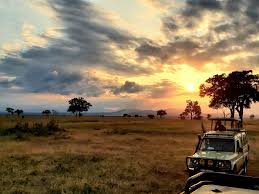
Safari experiences are comfortable and exciting:
- Daily game drives in 4×4 vehicles
- Early morning and afternoon wildlife viewing
- Chances to see the Big Five
- Stay in lodges or tented camps
Each park offers unique wildlife and scenery.
Step 11: What to Expect on Trekking
Trekking experiences are more physically demanding:
- Long walking hours
- Changing landscapes and temperatures
- Basic accommodation (tents or huts)
- Strong team support (guides, porters, cooks)
Preparation and pacing are key.
Step 12: Budget and Costs
Typical costs vary widely:
- Safari (per day): $200 – $800+
- Kilimanjaro trek: $1,500 – $5,000+
- Combined packages: $3,000 – $7,000+
Avoid extremely cheap options—they often compromise safety or quality.
Step 13: Cultural Tips
Tanzania is welcoming and friendly.
- Greet people politely
- Learn basic Swahili (e.g., Jambo, Asante)
- Dress modestly in towns and villages
- Tipping is appreciated in tourism services
Respect for local culture enhances your experience.
Step 14: Health and Safety Tips
- Drink bottled or purified water
- Use sunscreen and insect repellent
- Take malaria precautions if advised
- Listen to your guides at all times
Safety is generally good, especially with organized tours.
Final Thoughts
A Tanzania safari and trekking adventure offers the best of Africa—wildlife, landscapes, culture, and personal achievement. With proper planning and the right expectations, even beginners can enjoy a smooth and unforgettable journey.
From standing on the Roof of Africa to watching lions roam the plains, Tanzania delivers experiences that stay with you for a lifetime.