
Travel Insights

Tanzania Safari Beach Combo Itinerary

Best Time to Visit Zanzibar

Choosing the right time to visit Zanzibar can significantly shape your experience, especially since the island’s tropical climate affects beach conditions, diving visibility, and overall comfort. Located off the coast of Tanzania, Zanzibar is warm year-round—but not all months offer the same travel conditions. Overview of Zanzibar’s Climate Zanzibar has a tropical monsoon climate, meaning it is generally hot and humid with distinct wet and dry seasons. Temperatures typically range between 25°C and 32°C throughout the year, but rainfall patterns are the key factor in planning your trip. There are two main rainy seasons: Best Time to Visit Zanzibar 🌤️ June to October (Best Overall Season) This is widely considered the best time to visit Zanzibar. Why it’s ideal: This is peak tourist season, especially in areas like Nungwi and Kendwa, so expect higher prices and more visitors. ☀️ December to February (Hot & Great for Beaches) This is another excellent travel window. Highlights: Considerations: Off-Peak Seasons (Lower Prices, Mixed Weather) 🌧️ March to May (Long Rainy Season) This is the least favorable time to visit Zanzibar. Conditions: Advantages: 🌦️ November (Short Rains) November experiences short bursts of rain, usually in the afternoon or evening. Pros: Cons: Best Time for Specific Activities 🏖️ Beach Holidays 🤿 Diving & Snorkeling 🐬 Dolphin Watching 🌿 Cultural & Stone Town Exploration Travel Tips by Season Final Recommendation If you want the perfect balance of weather, sea conditions, and comfort, plan your trip during: June to October If you prefer warmer ocean water and vibrant marine life, choose: December to February Either way, Zanzibar offers a strong year-round appeal—but timing your visit well ensures a much richer experience of its beaches, culture, and marine environment.

Best Time to Visit Zanzibar Read Post »
Kilimanjaro Route 10

Best Time for Tarangire safaris

Climbing Mount Kilimanjaro is a once-in-a-lifetime adventure, but timing your booking is crucial for a successful and enjoyable experience. The best time to book depends on weather conditions, crowd levels, and your preferred climbing season. 1. Book Early for Peak Climbing Seasons (January – March & June – October) These are the most popular times to climb Kilimanjaro due to favorable weather conditions—clear skies and lower chances of rain. During these months, spots with reputable operators fill up quickly, especially for group climbs. 2. Shoulder Season Advantage (Late October & Early June) These transitional months can offer a quieter experience with decent weather. 3. Low Season (April – May & November) These are the rainy seasons on Kilimanjaro. Trails can be muddy and visibility is often reduced. Some routes like Rongai Route are better during rainy months because they receive less precipitation. 4. Full Moon Climbs (Special Timing) Many climbers aim to summit during a full moon for better visibility at night and a magical experience. 5. Route Selection Matters Your booking timing also depends on the route you choose: Longer routes often require more logistical planning, so earlier booking is recommended. Final Tips Conclusion The best time to book a Kilimanjaro climb depends on when you plan to go. For peak seasons, booking early is essential. For flexibility and savings, shoulder or low seasons may work better. Planning ahead not only guarantees your spot but also gives you time to prepare physically and mentally for the challenge of reaching Africa’s highest peak.

Best Time for Tarangire safaris Read Post »

Kilimanjaro Wildlife Experience

Best Time for Mikumi Safaris

The Mikumi National Park is one of Tanzania’s most accessible safari destinations, offering rich wildlife viewing and beautiful savannah landscapes. Knowing the best time to visit helps you enjoy better game viewing, comfortable weather, and smoother travel conditions. 1. Dry Season (June – October) – Best Overall Safari Time This is widely considered the best time for a safari in Mikumi. This is also the peak tourism season, so booking in advance is recommended. 2. Short Dry Season (December – February) – Good Alternative This period offers warm temperatures and generally good wildlife viewing. This is a great time if you want fewer crowds compared to peak dry season. 3. Green Season (March – May) – Low Season This is the long rainy season in Mikumi. However, some roads may be muddy, and animals are more spread out. 4. Short Rain Season (November) – Transitional Month November brings short rains but still allows safari activities. 5. Wildlife Viewing Highlights Mikumi is known for easy wildlife spotting, especially in the open plains: Final Tips Conclusion The best time for Mikumi safaris is during the dry season (June to October), when wildlife viewing is at its peak. However, the park offers rewarding experiences year-round depending on your budget and travel style.

Best Time for Mikumi Safaris Read Post »

Kilimanjaro Route 10

Best Time for Ngorongoro Safari

Climbing Mount Kilimanjaro is a once-in-a-lifetime adventure, but timing your booking is crucial for a successful and enjoyable experience. The best time to book depends on weather conditions, crowd levels, and your preferred climbing season. 1. Book Early for Peak Climbing Seasons (January – March & June – October) These are the most popular times to climb Kilimanjaro due to favorable weather conditions—clear skies and lower chances of rain. During these months, spots with reputable operators fill up quickly, especially for group climbs. 2. Shoulder Season Advantage (Late October & Early June) These transitional months can offer a quieter experience with decent weather. 3. Low Season (April – May & November) These are the rainy seasons on Kilimanjaro. Trails can be muddy and visibility is often reduced. Some routes like Rongai Route are better during rainy months because they receive less precipitation. 4. Full Moon Climbs (Special Timing) Many climbers aim to summit during a full moon for better visibility at night and a magical experience. 5. Route Selection Matters Your booking timing also depends on the route you choose: Longer routes often require more logistical planning, so earlier booking is recommended. Final Tips Conclusion The best time to book a Kilimanjaro climb depends on when you plan to go. For peak seasons, booking early is essential. For flexibility and savings, shoulder or low seasons may work better. Planning ahead not only guarantees your spot but also gives you time to prepare physically and mentally for the challenge of reaching Africa’s highest peak.

Best Time for Ngorongoro Safari Read Post »

Kilimanjaro Summit Experience Blog

Best Time for a Serengeti Safari

The Serengeti National Park is one of the most famous wildlife destinations in the world, offering year-round safari experiences. However, the best time to visit depends on what you want to see—especially the iconic Great Migration. 1. Peak Season (June – October) – Best for Wildlife Viewing This is the dry season and widely considered the best time for a Serengeti safari. During this period, wildlife is highly concentrated, and the weather is sunny and dry—perfect for game drives. 2. Migration Calving Season (January – March) This is one of the most unique times to visit the Serengeti. The landscape is also lush and green after the short rains. 3. Green Season (April – May) – Low Season These are the long rainy months in the Serengeti. While wildlife is more dispersed, the park is less crowded and very scenic. 4. Shoulder Season (November – December) This is a transition period with short rains. 5. Month-by-Month Migration Guide The Great Migration moves throughout the Serengeti ecosystem: Timing your visit depends on which stage you want to witness. Final Tips Conclusion There is no single “bad” time to visit the Serengeti—it offers incredible experiences year-round. The best time depends on your goals, whether it’s witnessing the Great Migration, enjoying fewer crowds, or traveling on a budget.

Best Time for a Serengeti Safari Read Post »

Kilimanjaro Route 10

best time to book kilimanjaro

Climbing Mount Kilimanjaro is a once-in-a-lifetime adventure, but timing your booking is crucial for a successful and enjoyable experience. The best time to book depends on weather conditions, crowd levels, and your preferred climbing season. 1. Book Early for Peak Climbing Seasons (January – March & June – October) These are the most popular times to climb Kilimanjaro due to favorable weather conditions—clear skies and lower chances of rain. During these months, spots with reputable operators fill up quickly, especially for group climbs. 2. Shoulder Season Advantage (Late October & Early June) These transitional months can offer a quieter experience with decent weather. 3. Low Season (April – May & November) These are the rainy seasons on Kilimanjaro. Trails can be muddy and visibility is often reduced. Some routes like Rongai Route are better during rainy months because they receive less precipitation. 4. Full Moon Climbs (Special Timing) Many climbers aim to summit during a full moon for better visibility at night and a magical experience. 5. Route Selection Matters Your booking timing also depends on the route you choose: Longer routes often require more logistical planning, so earlier booking is recommended. Final Tips Conclusion The best time to book a Kilimanjaro climb depends on when you plan to go. For peak seasons, booking early is essential. For flexibility and savings, shoulder or low seasons may work better. Planning ahead not only guarantees your spot but also gives you time to prepare physically and mentally for the challenge of reaching Africa’s highest peak.

best time to book kilimanjaro Read Post »

Best Time to Book a Tanzania Safari

Best Time to Book a Tanzania Safari

Planning a safari in Tanzania is an exciting experience, but timing your booking is just as important as choosing the destination itself. From witnessing the world-famous Great Migration to enjoying fewer crowds and better prices, the “best time” depends on what you want from your safari. 1. Book Early for Peak Season (June – October) The dry season is widely considered the best time to visit Tanzania. Wildlife viewing is excellent as animals gather around water sources, making them easier to spot in parks like Serengeti National Park and Ngorongoro Crater. If you’re targeting this season, last-minute booking is risky—prices rise and availability drops fast. 2. Shoulder Season Deals (January – March) This period offers a balance between good weather and fewer tourists. It’s also calving season in the southern Serengeti, attracting predators. 3. Green Season Bargains (April – May) These are the rainy months, often overlooked by travelers. However, landscapes are lush and beautiful. Keep in mind that some roads may be muddy, and wildlife can be harder to spot. 4. Festive Season (December – Early January) The holiday season is another peak time, especially around Christmas and New Year. 5. Timing the Great Migration The Great Migration moves throughout the year: Booking timing depends on which stage you want to see, but early planning is always key. Final Tips Conclusion The best time to book a Tanzania safari depends on your priorities—whether it’s wildlife viewing, budget, or crowd levels. For peak experiences, plan well in advance. For savings and unique scenery, consider off-peak months.

Best Time to Book a Tanzania Safari Read Post »

Kilimanjaro Climbing in Tanzania, Africa

Crafting Captivating Headlines: Your awesome post title goes here

Engaging Introductions: Capturing Your Audience’s Interest The initial impression your blog post makes is crucial, and that’s where your introduction comes into play. Hook your readers with a captivating opening that sparks curiosity or emotion. Address their pain points or questions to establish a connection. Outline the purpose of your post and give a sneak peek into what they can expect. A well-crafted introduction sets the tone for an immersive reading experience. Crafting Informative and Cohesive Body Content Within the body of your blog post lies the heart of your message. Break down your content into coherent sections, each with a clear heading that guides readers through the narrative. Dive deep into each subtopic, providing valuable insights, data, and relatable examples. Maintain a logical flow between paragraphs using transitions, ensuring that each point naturally progresses to the next. By structuring your body content effectively, you keep readers engaged and eager to learn more. Powerful Closures: Leaving a Lasting Impression Concluding your blog post isn’t just about wrapping things up – it’s your final opportunity to leave a strong impact. Summarize the key takeaways from your post, reinforcing your main points. If relevant, provide actionable solutions or thought-provoking questions to keep readers thinking beyond the post. Encourage engagement by inviting comments, questions, or sharing. A well-crafted conclusion should linger in your readers’ minds, inspiring them to explore further or apply what they’ve learned.

Crafting Captivating Headlines: Your awesome post title goes here Read Post »

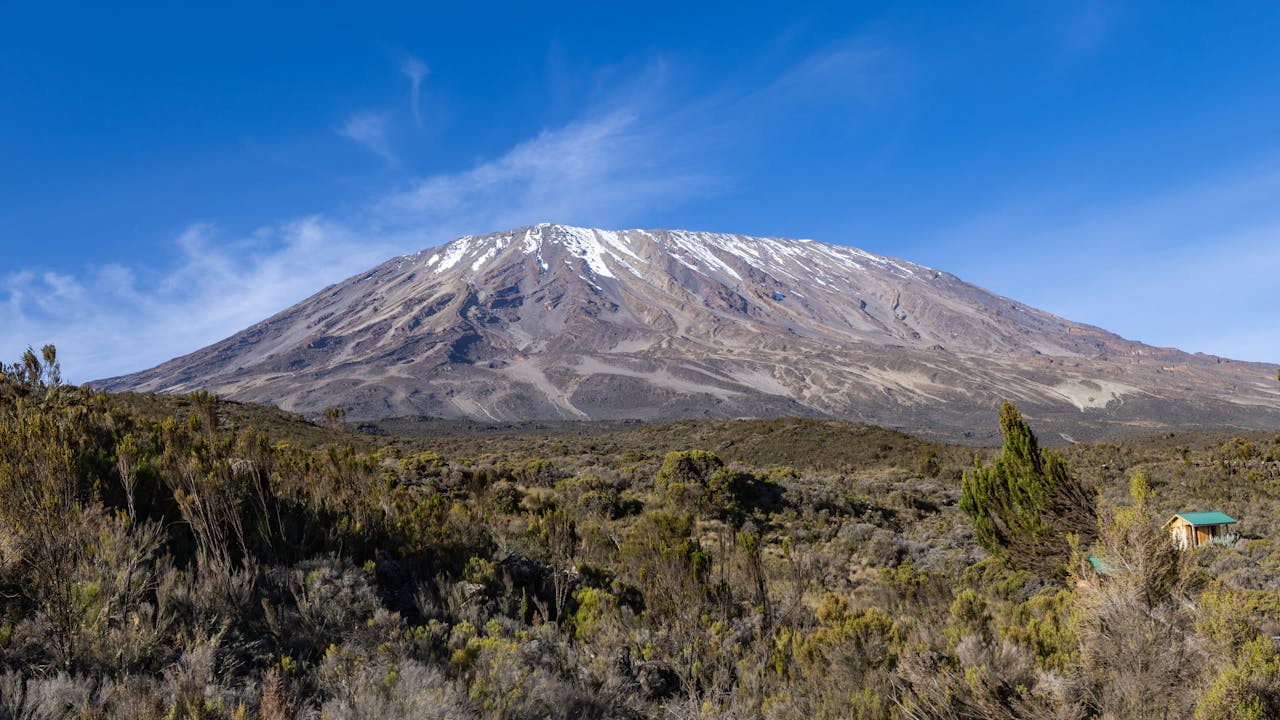
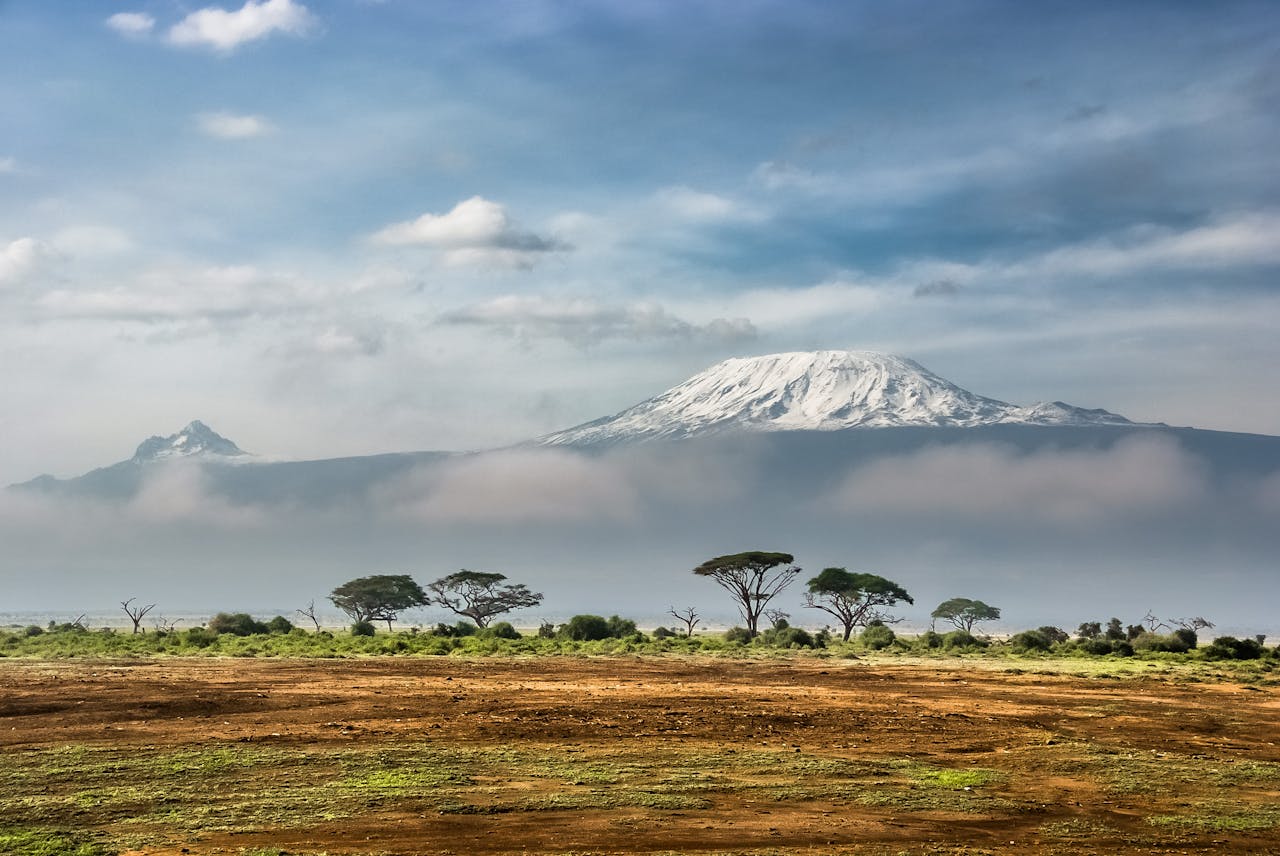
A breathtaking landscape of Mount Kilimanjaro with clear skies, showcasing the snowy peak and lush greenery.

The Art of Drawing Readers In: Your attractive post title goes here

Engaging Introductions: Capturing Your Audience’s Interest The initial impression your blog post makes is crucial, and that’s where your introduction comes into play. Hook your readers with a captivating opening that sparks curiosity or emotion. Address their pain points or questions to establish a connection. Outline the purpose of your post and give a sneak peek into what they can expect. A well-crafted introduction sets the tone for an immersive reading experience. Crafting Informative and Cohesive Body Content Within the body of your blog post lies the heart of your message. Break down your content into coherent sections, each with a clear heading that guides readers through the narrative. Dive deep into each subtopic, providing valuable insights, data, and relatable examples. Maintain a logical flow between paragraphs using transitions, ensuring that each point naturally progresses to the next. By structuring your body content effectively, you keep readers engaged and eager to learn more. Powerful Closures: Leaving a Lasting Impression Concluding your blog post isn’t just about wrapping things up – it’s your final opportunity to leave a strong impact. Summarize the key takeaways from your post, reinforcing your main points. If relevant, provide actionable solutions or thought-provoking questions to keep readers thinking beyond the post. Encourage engagement by inviting comments, questions, or sharing. A well-crafted conclusion should linger in your readers’ minds, inspiring them to explore further or apply what they’ve learned.

The Art of Drawing Readers In: Your attractive post title goes here Read Post »

KILIMANJARO CLIMB AND SERENGETI SAFARI GUIDE: COMPLETE TANZANIA ADVENTURE

Tanzania Safaris Tour

Engaging Introductions: Capturing Your Audience’s Interest The initial impression your blog post makes is crucial, and that’s where your introduction comes into play. Hook your readers with a captivating opening that sparks curiosity or emotion. Address their pain points or questions to establish a connection. Outline the purpose of your post and give a sneak peek into what they can expect. A well-crafted introduction sets the tone for an immersive reading experience. Crafting Informative and Cohesive Body Content Within the body of your blog post lies the heart of your message. Break down your content into coherent sections, each with a clear heading that guides readers through the narrative. Dive deep into each subtopic, providing valuable insights, data, and relatable examples. Maintain a logical flow between paragraphs using transitions, ensuring that each point naturally progresses to the next. By structuring your body content effectively, you keep readers engaged and eager to learn more. Powerful Closures: Leaving a Lasting Impression Concluding your blog post isn’t just about wrapping things up – it’s your final opportunity to leave a strong impact. Summarize the key takeaways from your post, reinforcing your main points. If relevant, provide actionable solutions or thought-provoking questions to keep readers thinking beyond the post. Encourage engagement by inviting comments, questions, or sharing. A well-crafted conclusion should linger in your readers’ minds, inspiring them to explore further or apply what they’ve learned.

Tanzania Safaris Tour Read Post »

Scroll to Top
0

Subtotal