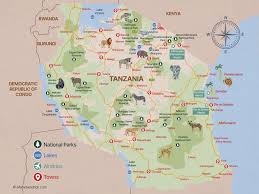
A wildlife safari in Ruaha National Park is one of Africa’s most powerful and authentic wilderness experiences. Vast, raw, and largely untouched by mass tourism, Ruaha offers a kind of safari that feels real in every sense—where nature sets the rules, wildlife roams freely, and every encounter unfolds without interruption. The Untamed Heart of Tanzania Located in southern Tanzania, Ruaha National Park is the largest national park in the country. Yet despite its size, it remains one of the least crowded safari destinations in Africa. This unique balance—immense scale with minimal tourism—creates a rare opportunity for visitors to experience wildlife in its purest form. The park’s ecosystem is shaped by the life-giving Great Ruaha River, which cuts through dry savannah, rocky escarpments, and iconic baobab forests. During the dry season, this river becomes the focal point of life, attracting animals in extraordinary numbers. Exceptional Wildlife Diversity Ruaha is often described as a hidden gem for wildlife enthusiasts, and for good reason. It hosts an impressive concentration of animals, including some of the largest populations of elephants in East Africa. Herds of these giants can often be seen digging in dry riverbeds or gathering along the riverbanks. The park is also renowned for its predators. Lions are particularly abundant here, often seen in large prides. Leopards move silently through the trees, while cheetahs patrol the open plains. One of Ruaha’s standout features is its population of African wild dogs—rare and endangered, yet relatively frequently spotted in this ecosystem. In addition to the “Big Five,” Ruaha is home to: This diversity makes every game drive unpredictable and exciting. A Safari Without Crowds What truly sets Ruaha National Park apart is the absence of crowds. Unlike more famous parks, it’s entirely possible to spend hours on a game drive without encountering another vehicle. This allows for longer, uninterrupted wildlife sightings and a deeper sense of connection with the environment. Instead of rushing from one sighting to another, guides have the freedom to slow down, observe behavior, and interpret the ecosystem in detail. For visitors, this transforms a typical safari into an educational and immersive experience. Dramatic Landscapes and Unique Ecosystems Ruaha’s scenery is as compelling as its wildlife. The park sits at a crossroads of eastern and southern African ecosystems, resulting in a unique mix of species and vegetation. Massive baobab trees dominate parts of the landscape, their ancient trunks creating a striking visual contrast against the golden plains. Rocky kopjes and escarpments provide vantage points for predators, while seasonal rivers and wetlands support a wide range of life. The ever-changing environment ensures that no two days in Ruaha feel the same. Safari Activities in Ruaha A wildlife safari in Ruaha goes beyond standard game drives. The park offers a variety of ways to explore its vast terrain: Game DrivesMorning and evening drives provide the best opportunities to see active wildlife. The golden light during these hours enhances both photography and overall experience. Walking SafarisLed by experienced guides, walking safaris allow visitors to explore the bush on foot. This activity focuses on smaller details—tracks, plants, and insects—offering a deeper understanding of the ecosystem. BirdwatchingWith hundreds of bird species, Ruaha is ideal for both casual observers and serious birders. River ExplorationThe Great Ruaha River is a constant source of activity, especially during the dry season when animals congregate in large numbers. Best Time to Visit The dry season (June to October) is widely considered the best time for a wildlife safari in Ruaha. As water sources shrink, animals gather around the river, making sightings more frequent and dramatic. The green season (November to April) transforms the park into a lush, vibrant landscape. While wildlife may be more dispersed, this period offers excellent birdwatching, fewer visitors, and stunning scenery. Conservation and Authenticity Ruaha plays a crucial role in Tanzania’s conservation efforts. Its remote location and lower visitor numbers help protect its ecosystems from over-tourism. Many lodges and operators in the area are deeply committed to sustainable practices, ensuring that tourism benefits both wildlife and local communities. By visiting Ruaha, travelers contribute to preserving one of Africa’s last truly wild places. Who Should Choose a Ruaha Wildlife Safari? Ruaha is ideal for: It may not be the easiest park to access, but that’s part of its appeal—it rewards those willing to go further. An Experience That Stays With You A wildlife safari in Ruaha National Park is not just about seeing animals—it’s about understanding the rhythm of the wild. It’s about watching elephants move silently at sunset, hearing lions call through the night, and realizing how vast and interconnected nature truly is. Ruaha doesn’t try to impress—it simply is. And in that authenticity lies its power. For those who seek a safari experience that is raw, immersive, and unforgettable, Ruaha stands as one of Africa’s finest and most rewarding destinations.