

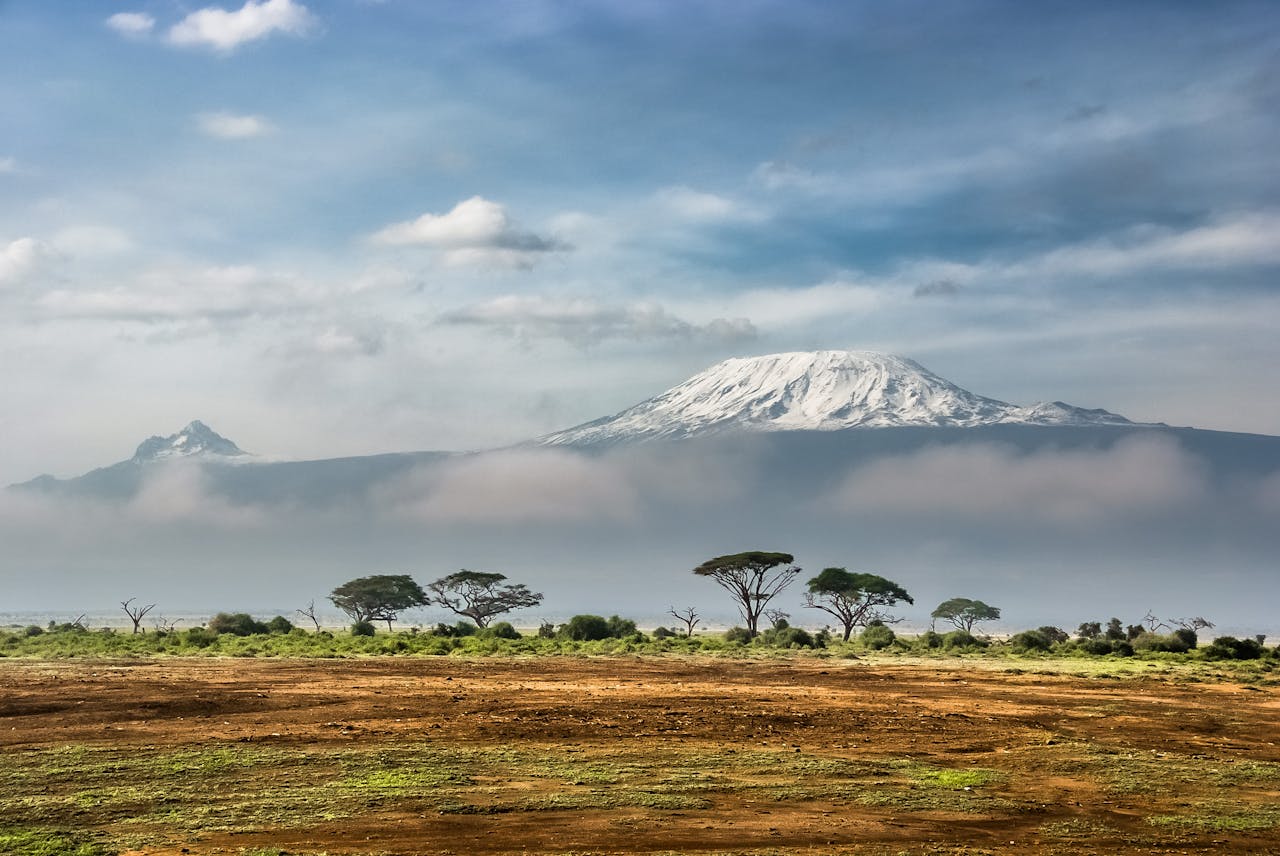
Climbing Mount Kilimanjaro is one of the most exciting adventures in Africa—and the good news is, beginners can absolutely do it with the right preparation. Unlike many high peaks, Kilimanjaro doesn’t require technical climbing skills, but it does demand determination, planning, and respect for the mountain.
Why Kilimanjaro is Beginner-Friendly
Kilimanjaro is the highest mountain in Africa, standing at 5,895 meters. What makes it unique is that it’s a “walkable” mountain—no ropes or climbing gear needed. You’ll hike through different climate zones, from rainforest to alpine desert, before reaching the snowy summit at Uhuru Peak.
Best Routes for Beginners
Not all routes are equal, especially for first-time climbers. Some are more gradual and offer better chances of success:
- Marangu Route (Coca-Cola Route): Easiest and most comfortable, with hut accommodations.
- Machame Route (Whiskey Route): Slightly more challenging but very scenic and popular.
- Lemosho Route: Longer and ideal for acclimatization, giving beginners a higher success rate.
How Long Does It Take?
Most climbs take between 5 to 9 days. While shorter routes exist, beginners are strongly advised to choose longer itineraries to allow proper acclimatization and increase chances of reaching the summit safely.
Physical Preparation
You don’t need to be an athlete, but you should be in good shape. Focus on:
- Hiking practice (especially with elevation if possible)
- Cardio exercises like running or cycling
- Leg strength and endurance training
Essential Gear
Packing the right gear can make or break your climb:
- Warm layered clothing (temperatures can drop below freezing)
- Good quality hiking boots
- Sleeping bag suitable for cold weather
- Backpack, water bottles, and headlamp
Most tour companies also provide porters to carry heavy luggage, so you only hike with a daypack.
Altitude Sickness Awareness
The biggest challenge on Kilimanjaro is altitude, not difficulty. Common symptoms include headaches, nausea, and fatigue. To reduce risk:
- Climb slowly (“pole pole” as locals say)
- Stay hydrated
- Choose longer routes for better acclimatization
Best Time to Climb
The best months are:
- January to March (quieter, slightly colder)
- June to October (popular, better weather conditions)
Avoid the heavy rainy seasons (April–May and November).
Guides and Safety
Climbing Kilimanjaro requires a licensed guide. Reputable tour operators provide experienced guides, porters, meals, and safety support. Always choose a company with good reviews and proper safety measures.
Final Thoughts
Climbing Kilimanjaro as a beginner is less about technical skill and more about mindset. With patience, preparation, and the right support team, standing on the “Roof of Africa” is absolutely achievable

