General

Family Safari Africa Tanzania

selous safari tanzania

A Unlike more famous northern parks, Selous (Nyerere) is about space, silence, and raw adventure. The Legacy of Selous: A Wilderness Reborn The area now known as Nyerere National Park was once part of the historic Selous Game Reserve, one of the largest protected wildlife areas in the world. Today, it remains one of the most expansive national parks in Africa, preserving the same wild character it has always been known for. Its landscapes are defined by endless woodlands, open plains, wetlands, and winding rivers—especially the mighty Rufiji River, which shapes life across the park. Why Selous (Nyerere) Is So Special What makes a safari in Nyerere National Park unique is its sense of isolation. This is not a crowded safari destination. Instead, it offers: It is one of the few places where you can spend hours without seeing another safari vehicle. The Rufiji River: The Lifeline of the Park The heart of the park is the powerful Rufiji River. This river creates a rich ecosystem that supports an incredible variety of wildlife. Along its banks, you can see: The river transforms the safari experience by adding water-based exploration to the traditional game drive. Wildlife in Selous (Nyerere) A safari in Nyerere National Park offers rich and diverse wildlife encounters. You can expect to see: Because of its size and low human impact, animals behave more naturally here than in many other parks. Unique Safari Activities Selous (Nyerere) is one of the few parks in Africa that offers a wide variety of safari experiences beyond game drives. Boat Safaris on the Rufiji RiverGlide along the river and observe hippos, crocodiles, and wildlife coming to drink at the water’s edge. Walking SafarisExplore the bush on foot with expert guides, focusing on tracks, plants, and smaller wildlife details. Game DrivesClassic safari drives through open savannah and woodland areas. Fly CampingA more adventurous experience where you sleep in mobile camps under the stars in the wild. The Landscape: Wild, Diverse, and Untamed The scenery in Nyerere National Park is incredibly varied: This variety makes every game drive feel different and unpredictable. Best Time to Visit Selous (Nyerere) The experience changes with the seasons: The dry season is ideal for classic safaris, while the green season is perfect for solitude and photography. Accommodation in Selous (Nyerere) Lodges and camps in Nyerere National Park are designed to blend into the wilderness. You’ll find: Many accommodations are located directly along the Rufiji River, allowing wildlife viewing right from your room. Who Should Visit Selous (Nyerere)? This safari destination is ideal for: It’s less about luxury crowds and more about pure wilderness. What Makes It Different from Other Parks Unlike the northern circuit parks, Nyerere National Park is: This makes it one of the most authentic safari experiences in Africa. A Safari That Feels Real A safari in Selous (Nyerere) is not polished or crowded—it is raw, quiet, and deeply immersive. It’s the sound of hippos at night along the Rufiji River.It’s watching elephants cross waterways at sunset.It’s the feeling of being completely alone in the wild. A Journey Into True Wilderness In the end, a safari in Nyerere National Park is about reconnecting with nature in its purest form. It’s not just a destination—it’s an experience of space, silence, and raw beauty. A place where Africa feels untouched, timeless, and completely alive. And long after you leave, Selous stays with you—not as a memory of what you saw, but as a feeling of what true wilderness really is.

selous safari tanzania Read Post »
b

Tanzania Safari Itinerary

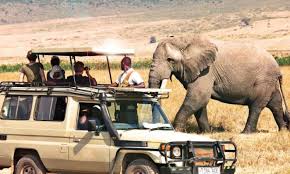
A Tanzania safari itinerary is the key to planning an amazing wildlife adventure in one of Africa’s top safari destinations. Tanzania is home to world-famous national parks, breathtaking landscapes, and incredible wildlife such as lions, elephants, giraffes, zebras, and the Big Five. Whether you are planning a short safari or a longer journey, having the right itinerary helps you make the most of your trip. In this guide, we will share the best Tanzania safari itinerary options, travel tips, and what to expect during your safari holiday. Why Choose Tanzania for a Safari? Tanzania is one of the best safari destinations because it offers: A well-planned Tanzania safari itinerary allows you to experience all these highlights. Best 5-Day Tanzania Safari Itinerary Day 1: Arrival in Arusha Arrive at Kilimanjaro International Airport and transfer to Arusha, the safari gateway city. Relax at your lodge and prepare for your adventure. Day 2: Tarangire National Park Drive to Tarangire National Park for a full-day game drive. This park is famous for: Overnight near Tarangire. Day 3: Serengeti National Park Travel to Serengeti National Park, one of the most famous safari parks in the world. Enjoy game viewing on the way to your lodge. Expect to see: Day 4: Full-Day Serengeti Safari Spend the whole day exploring Serengeti. Early morning and sunset game drives offer the best wildlife sightings. This is also the best chance to witness the Great Migration depending on the season. Day 5: Ngorongoro Crater and Departure Drive to Ngorongoro Crater for a game drive inside the crater. This is one of the best places to spot the endangered black rhino. Later return to Arusha or transfer to the airport. Best 7-Day Tanzania Safari Itinerary If you have more time, a 7-day safari gives you a richer experience. Suggested Route: This longer Tanzania safari itinerary gives more wildlife viewing time and relaxed travel. Best Time for a Tanzania Safari Tanzania offers safaris all year round, but the best times are: What to Pack for a Tanzania Safari Bring these essentials: Tanzania Safari Cost Safari costs depend on accommodation, season, and trip length. Average prices: Tips for Planning the Best Tanzania Safari Itinerary Final Thoughts A well-designed Tanzania safari itinerary gives you the chance to explore Africa’s most spectacular wildlife destinations. From the endless plains of Serengeti to the breathtaking Ngorongoro Crater, Tanzania offers unforgettable safari memories. Whether you choose a 5-day or 7-day trip, your Tanzania safari adventure will be one of the best travel experiences of your life.

Tanzania Safari Itinerary Read Post »

GROUP SAFARI FROM ZANZIBAR

Adventure Camping Safari Tanzania: The Ultimate Raw Experience

An adventure camping safari in Tanzania is not merely a vacation; it is a profound return to the wild. While luxury lodges offer a glass-walled view of the savanna, camping removes every barrier between you and the African night. This experience is designed for the traveler who seeks the “Old Africa” feel—where the evening entertainment is the crackle of a campfire and the soundtrack is the distant roar of a lion. The True Spirit of the Bush Tanzania’s National Parks, from the vast plains of the Serengeti to the baobab-studded landscapes of Tarangire, offer public and private campsites that provide an immersive experience. In a mobile camping setup, you move with the migration. You wake up at dawn to the smell of fresh coffee brewed over an open fire, heading out for a sunrise game drive when the predators are most active. Survival Meets Comfort Modern adventure camping isn’t about “roughing it” in the traditional sense. Most organized safaris include a dedicated cook and a safari guide. While you sleep in sturdy, waterproof canvas tents, your team prepares three-course meals that seem impossible to create in the middle of the wilderness. The “adventure” lies in the unpredictability: the sight of an elephant passing just meters from your tent or the hauntingly beautiful laugh of a hyena at midnight. Why Choose Camping?

Adventure Camping Safari Tanzania: The Ultimate Raw Experience Read Post »

GROUP SAFARI FROM ZANZIBAR

Complete Guide on Climbing Mount Kilimanjaro

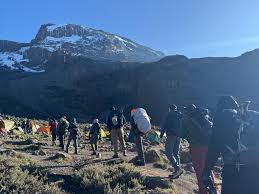
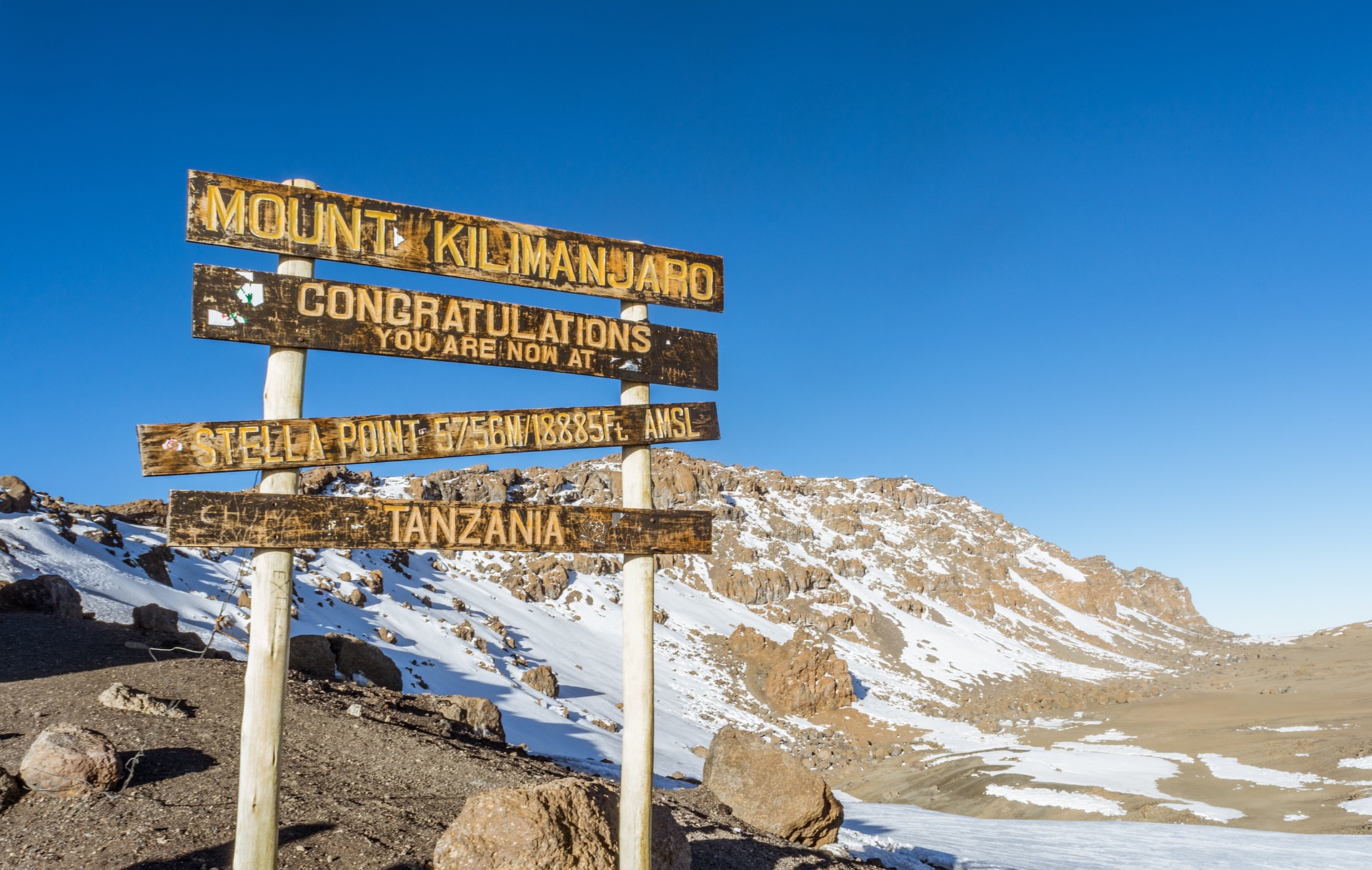
Climbing Mount Kilimanjaro is one of the most iconic trekking adventures in the world. Standing at 5,895 meters (19,341 ft), it is the highest mountain in Africa and the world’s tallest free-standing mountain. Located in northern Tanzania within Kilimanjaro National Park, it attracts thousands of climbers every year from beginners to experienced hikers. This guide covers everything you need to know before attempting the climb—from routes and costs to preparation and tips for success. 1. Understanding Mount Kilimanjaro Mount Kilimanjaro is not a technical climb; it is a trekking mountain. This means you don’t need ropes or climbing experience. However, the main challenge is high altitude, not technical difficulty. The mountain has three volcanic cones: Only Kibo is climbable to the summit. 2. Best Routes to Climb Kilimanjaro There are several routes, each with different scenery, difficulty, and success rates: Marangu Route (Coca-Cola Route) Machame Route (Whiskey Route) Lemosho Route Rongai Route Northern Circuit Route 3. Cost of Climbing Kilimanjaro The price depends on route, operator, and service level: Costs usually include: 4. Physical Preparation You don’t need to be an athlete, but you must be fit. Recommended training: Start training at least 6–8 weeks before the climb. 5. Acclimatization and Altitude Sickness Altitude sickness is the biggest challenge. Symptoms include: Tips to prevent it: 6. What to Pack Essential gear includes: 7. Best Time to Climb Kilimanjaro The best months are: Avoid: 8. Daily Life on the Mountain A typical day includes: Porters carry most of the equipment while guides lead the group. 9. Summit Night Experience The final ascent begins around midnight. Climbers reach Uhuru Peak at sunrise. It is: But reaching the summit is one of the most rewarding experiences in the world. 10. Tips for Success Conclusion Climbing Mount Kilimanjaro is not just a hike—it is a life-changing journey. With proper preparation, the right route, and good guidance, almost anyone with reasonable fitness can reach the summit. Whether you’re doing it for adventure, personal challenge, or breathtaking views, Kilimanjaro will give you an unforgettable experience.

Complete Guide on Climbing Mount Kilimanjaro Read Post »

16

How to Avoid Altitude Sickness on Mount Kilimanjaro

How to Avoid Altitude Sickness on Mount Kilimanjaro Climbing Mount Kilimanjaro is an unforgettable adventure, but one of the biggest challenges trekkers face is altitude sickness. Because the mountain rises to 5,895 meters (19,341 feet), your body must adjust to lower oxygen levels as you ascend. Understanding how to prevent altitude sickness is key to reaching the summit safely and successfully. What Is Altitude Sickness? Altitude sickness, also known as Acute Mountain Sickness (AMS), occurs when your body struggles to adapt to high altitudes. It can affect anyone—regardless of age or fitness level. Common Symptoms: If ignored, it can progress into more serious conditions, making prevention extremely important. 1. Choose a Longer Route One of the most effective ways to avoid altitude sickness is by giving your body enough time to acclimatize. Routes like: are better than shorter options because they allow gradual ascent. The more days you spend climbing, the higher your chances of reaching the summit. 2. Follow the Rule: “Climb High, Sleep Low” This technique helps your body adapt more efficiently. During the day, you hike to a higher altitude, then descend slightly to sleep. This gradual exposure improves oxygen efficiency in your body. 3. Walk Slowly (Pole Pole) On Kilimanjaro, guides often say “pole pole” (slowly, slowly). Walking too fast increases your risk of altitude sickness. 4. Stay Hydrated Dehydration worsens altitude sickness symptoms. Tips: 5. Eat Well Your body needs energy to adjust to altitude. 6. Consider Medication Some climbers use medications like Acetazolamide (Diamox) to help prevent altitude sickness. 7. Listen to Your Body Never ignore symptoms. Remember: Your safety is more important than reaching the summit. 8. Get Proper Rest Sleep is essential for acclimatization. 9. Train Before the Climb While fitness doesn’t prevent altitude sickness directly, it helps your body cope better. Recommended training: 10. Choose a Reputable Guide Company Experienced guides monitor your health daily and can identify symptoms early. They often: Final Thoughts Avoiding altitude sickness on Mount Kilimanjaro is all about preparation, patience, and awareness. By choosing a longer route, pacing yourself, staying hydrated, and listening to your body, you significantly increase your chances of reaching Uhuru Peak safely.

How to Avoid Altitude Sickness on Mount Kilimanjaro Read Post »

Ultimate Tanzania Safari Travel Guide

Kilimanjaro Routes Explained(Which is best)

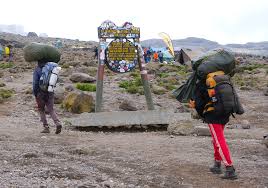
Climbing Mount Kilimanjaro is one of the most iconic trekking experiences in the world, but choosing the right route can make a huge difference in your success, enjoyment, and acclimatization. There are several established routes, each with different scenery, difficulty levels, crowds, and success rates. Below is a clear breakdown of the main Kilimanjaro routes and guidance on which one is the best for different types of climbers. 1. Marangu Route (The “Coca-Cola Route”) Overview:Marangu is the oldest and most established route on Kilimanjaro. It is the only route with hut accommodation instead of tents. Duration: 5–6 daysDifficulty: ModerateScenery: Less variedCrowds: High Pros: Cons: Best for: Budget climbers who prefer huts over camping. 2. Machame Route (The “Whiskey Route”) Overview:Machame is the most popular route due to its beautiful scenery and high success rate. Duration: 6–7 daysDifficulty: ChallengingScenery: Excellent (rainforest, alpine desert, glaciers)Crowds: High Pros: Cons: Best for: First-time trekkers looking for a balanced challenge and scenery. 3. Lemosho Route (The Scenic & Best Overall Route) Overview:Lemosho is considered one of the most beautiful and successful routes on Kilimanjaro. Duration: 7–8 daysDifficulty: ModerateScenery: Excellent (remote wilderness at start)Crowds: Low at beginning, moderate later Pros: Cons: Best for: Most trekkers — especially beginners wanting the highest success chance. 4. Rongai Route (The Dry Northern Route) Overview:Rongai approaches Kilimanjaro from the northern side near the Kenya border. Duration: 6–7 daysDifficulty: ModerateScenery: Dry and less lushCrowds: Low Pros: Cons: Best for: Climbers who prefer solitude and dry conditions. 5. Umbwe Route (The Steepest Route) Overview:Umbwe is the shortest and steepest route on Kilimanjaro. Duration: 5–6 daysDifficulty: Very difficultScenery: Beautiful but limited time to enjoy itCrowds: Very low Pros: Cons: Best for: Experienced mountaineers, not beginners. 6. Northern Circuit Route (Longest & Most Successful) Overview:The Northern Circuit is the longest route and circles the mountain’s quieter northern slopes. Duration: 8–9 daysDifficulty: ModerateScenery: ExceptionalCrowds: Very low Pros: Cons: Best for: Climbers who want the safest and most successful summit option. So, Which Kilimanjaro Route Is the Best? The “best” route depends on your priorities:

Kilimanjaro Routes Explained(Which is best) Read Post »

16

Kilimanjaro Routes Explained(Which is best)

Climbing Mount Kilimanjaro is a life-changing adventure, but many trekkers underestimate the challenges involved. While it’s one of the most accessible high-altitude peaks in the world, simple mistakes can turn your dream climb into a difficult or even dangerous experience. Here are the most common Kilimanjaro climbing mistakes—and how to avoid them. 1. Underestimating the Altitude The biggest challenge on Kilimanjaro is not distance—it’s altitude. Many climbers focus on fitness but ignore how their bodies will react to thinner oxygen levels. Mistake: Ignoring symptoms like headaches, nausea, or dizziness.Avoid it: Take altitude sickness seriously. Ascend slowly, follow your guide’s advice, and consider routes with better acclimatization profiles like the Lemosho or Northern Circuit. 2. Choosing the Wrong Route Not all routes offer the same success rate or experience. Mistake: Picking the cheapest or shortest route without research.Avoid it: Choose a route that matches your fitness level and gives you enough time to acclimatize. Longer routes often increase your chances of reaching the summit. 3. Skipping Physical Preparation Even though Kilimanjaro doesn’t require technical climbing, it still demands endurance. Mistake: Thinking you can “just walk it.”Avoid it: Train in advance with cardio, hiking, and strength exercises. Practice walking long distances with a backpack. 4. Packing the Wrong Gear Your gear can make or break your climb. Mistake: Bringing poor-quality or inappropriate equipment.Avoid it: Invest in proper hiking boots, warm clothing, and layered outfits. Temperatures range from tropical heat to freezing conditions near the summit. 5. Not Drinking Enough Water Hydration is critical at high altitude. Mistake: Drinking only when you feel thirsty.Avoid it: Aim for 3–4 liters of water daily to help your body adjust and reduce altitude sickness risk. 6. Ignoring Acclimatization Rules The golden rule of high-altitude trekking is: “climb high, sleep low.” Mistake: Rushing the climb to save time or money.Avoid it: Choose itineraries that allow gradual altitude gain and rest days. 7. Hiring the Cheapest Operator Cost-cutting can lead to poor service and unsafe conditions. Mistake: Booking with unverified or low-cost operators.Avoid it: Choose reputable companies with experienced guides, proper equipment, and ethical porter treatment. 8. Not Listening to Your Guide Your guide’s experience is crucial for your safety and success. Mistake: Ignoring advice about pace, hydration, or altitude symptoms.Avoid it: Follow the “pole pole” (slowly, slowly) pace and trust your guide’s decisions. 9. Wearing New or Unbroken Boots Foot problems are common and preventable. Mistake: Using brand-new hiking boots during the climb.Avoid it: Break in your boots before the trek to avoid blisters and discomfort. 10. Poor Nutrition During the Trek Your body needs energy to cope with altitude and long hiking days. Mistake: Skipping meals or not eating enough.Avoid it: Eat regularly, even if your appetite decreases. Bring snacks like energy bars and nuts. 11. Mental Unpreparedness Kilimanjaro is as much a mental challenge as a physical one. Mistake: Not preparing for long, tiring days and summit night challenges.Avoid it: Stay positive, set realistic expectations, and focus on one step at a time. 12. Ignoring Weather Conditions Weather on Kilimanjaro can change rapidly. Mistake: Not checking seasonal conditions before booking.Avoid it: Plan your climb during the best months (January–March or June–October) for better weather and visibility. Final Thoughts Climbing Mount Kilimanjaro is an unforgettable experience, but preparation is everything. Avoiding these common mistakes will not only improve your chances of reaching the summit but also ensure a safer and more enjoyable journey. With the right mindset, proper planning, and guidance, you’ll be well on your way to standing on the “Roof of Africa.”

Kilimanjaro Routes Explained(Which is best) Read Post »

16

Ultimate Tanzania Safari Travel Guide

Climbing Mount Kilimanjaro is a life-changing adventure, but many trekkers underestimate the challenges involved. While it’s one of the most accessible high-altitude peaks in the world, simple mistakes can turn your dream climb into a difficult or even dangerous experience. Here are the most common Kilimanjaro climbing mistakes—and how to avoid them. 1. Underestimating the Altitude The biggest challenge on Kilimanjaro is not distance—it’s altitude. Many climbers focus on fitness but ignore how their bodies will react to thinner oxygen levels. Mistake: Ignoring symptoms like headaches, nausea, or dizziness.Avoid it: Take altitude sickness seriously. Ascend slowly, follow your guide’s advice, and consider routes with better acclimatization profiles like the Lemosho or Northern Circuit. 2. Choosing the Wrong Route Not all routes offer the same success rate or experience. Mistake: Picking the cheapest or shortest route without research.Avoid it: Choose a route that matches your fitness level and gives you enough time to acclimatize. Longer routes often increase your chances of reaching the summit. 3. Skipping Physical Preparation Even though Kilimanjaro doesn’t require technical climbing, it still demands endurance. Mistake: Thinking you can “just walk it.”Avoid it: Train in advance with cardio, hiking, and strength exercises. Practice walking long distances with a backpack. 4. Packing the Wrong Gear Your gear can make or break your climb. Mistake: Bringing poor-quality or inappropriate equipment.Avoid it: Invest in proper hiking boots, warm clothing, and layered outfits. Temperatures range from tropical heat to freezing conditions near the summit. 5. Not Drinking Enough Water Hydration is critical at high altitude. Mistake: Drinking only when you feel thirsty.Avoid it: Aim for 3–4 liters of water daily to help your body adjust and reduce altitude sickness risk. 6. Ignoring Acclimatization Rules The golden rule of high-altitude trekking is: “climb high, sleep low.” Mistake: Rushing the climb to save time or money.Avoid it: Choose itineraries that allow gradual altitude gain and rest days. 7. Hiring the Cheapest Operator Cost-cutting can lead to poor service and unsafe conditions. Mistake: Booking with unverified or low-cost operators.Avoid it: Choose reputable companies with experienced guides, proper equipment, and ethical porter treatment. 8. Not Listening to Your Guide Your guide’s experience is crucial for your safety and success. Mistake: Ignoring advice about pace, hydration, or altitude symptoms.Avoid it: Follow the “pole pole” (slowly, slowly) pace and trust your guide’s decisions. 9. Wearing New or Unbroken Boots Foot problems are common and preventable. Mistake: Using brand-new hiking boots during the climb.Avoid it: Break in your boots before the trek to avoid blisters and discomfort. 10. Poor Nutrition During the Trek Your body needs energy to cope with altitude and long hiking days. Mistake: Skipping meals or not eating enough.Avoid it: Eat regularly, even if your appetite decreases. Bring snacks like energy bars and nuts. 11. Mental Unpreparedness Kilimanjaro is as much a mental challenge as a physical one. Mistake: Not preparing for long, tiring days and summit night challenges.Avoid it: Stay positive, set realistic expectations, and focus on one step at a time. 12. Ignoring Weather Conditions Weather on Kilimanjaro can change rapidly. Mistake: Not checking seasonal conditions before booking.Avoid it: Plan your climb during the best months (January–March or June–October) for better weather and visibility. Final Thoughts Climbing Mount Kilimanjaro is an unforgettable experience, but preparation is everything. Avoiding these common mistakes will not only improve your chances of reaching the summit but also ensure a safer and more enjoyable journey. With the right mindset, proper planning, and guidance, you’ll be well on your way to standing on the “Roof of Africa.”

Ultimate Tanzania Safari Travel Guide Read Post »

16

Kilimanjaro Routes Explained(Which Is the Best?)

Climbing Mount Kilimanjaro is a life-changing adventure, but many trekkers underestimate the challenges involved. While it’s one of the most accessible high-altitude peaks in the world, simple mistakes can turn your dream climb into a difficult or even dangerous experience. Here are the most common Kilimanjaro climbing mistakes—and how to avoid them. 1. Underestimating the Altitude The biggest challenge on Kilimanjaro is not distance—it’s altitude. Many climbers focus on fitness but ignore how their bodies will react to thinner oxygen levels. Mistake: Ignoring symptoms like headaches, nausea, or dizziness.Avoid it: Take altitude sickness seriously. Ascend slowly, follow your guide’s advice, and consider routes with better acclimatization profiles like the Lemosho or Northern Circuit. 2. Choosing the Wrong Route Not all routes offer the same success rate or experience. Mistake: Picking the cheapest or shortest route without research.Avoid it: Choose a route that matches your fitness level and gives you enough time to acclimatize. Longer routes often increase your chances of reaching the summit. 3. Skipping Physical Preparation Even though Kilimanjaro doesn’t require technical climbing, it still demands endurance. Mistake: Thinking you can “just walk it.”Avoid it: Train in advance with cardio, hiking, and strength exercises. Practice walking long distances with a backpack. 4. Packing the Wrong Gear Your gear can make or break your climb. Mistake: Bringing poor-quality or inappropriate equipment.Avoid it: Invest in proper hiking boots, warm clothing, and layered outfits. Temperatures range from tropical heat to freezing conditions near the summit. 5. Not Drinking Enough Water Hydration is critical at high altitude. Mistake: Drinking only when you feel thirsty.Avoid it: Aim for 3–4 liters of water daily to help your body adjust and reduce altitude sickness risk. 6. Ignoring Acclimatization Rules The golden rule of high-altitude trekking is: “climb high, sleep low.” Mistake: Rushing the climb to save time or money.Avoid it: Choose itineraries that allow gradual altitude gain and rest days. 7. Hiring the Cheapest Operator Cost-cutting can lead to poor service and unsafe conditions. Mistake: Booking with unverified or low-cost operators.Avoid it: Choose reputable companies with experienced guides, proper equipment, and ethical porter treatment. 8. Not Listening to Your Guide Your guide’s experience is crucial for your safety and success. Mistake: Ignoring advice about pace, hydration, or altitude symptoms.Avoid it: Follow the “pole pole” (slowly, slowly) pace and trust your guide’s decisions. 9. Wearing New or Unbroken Boots Foot problems are common and preventable. Mistake: Using brand-new hiking boots during the climb.Avoid it: Break in your boots before the trek to avoid blisters and discomfort. 10. Poor Nutrition During the Trek Your body needs energy to cope with altitude and long hiking days. Mistake: Skipping meals or not eating enough.Avoid it: Eat regularly, even if your appetite decreases. Bring snacks like energy bars and nuts. 11. Mental Unpreparedness Kilimanjaro is as much a mental challenge as a physical one. Mistake: Not preparing for long, tiring days and summit night challenges.Avoid it: Stay positive, set realistic expectations, and focus on one step at a time. 12. Ignoring Weather Conditions Weather on Kilimanjaro can change rapidly. Mistake: Not checking seasonal conditions before booking.Avoid it: Plan your climb during the best months (January–March or June–October) for better weather and visibility. Final Thoughts Climbing Mount Kilimanjaro is an unforgettable experience, but preparation is everything. Avoiding these common mistakes will not only improve your chances of reaching the summit but also ensure a safer and more enjoyable journey. With the right mindset, proper planning, and guidance, you’ll be well on your way to standing on the “Roof of Africa.”

Kilimanjaro Routes Explained(Which Is the Best?) Read Post »

Ultimate Tanzania Safari Travel Guide

Ultimate Tanzania Safari Travel Guide

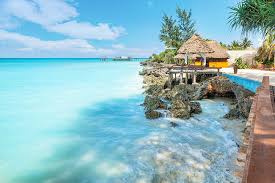
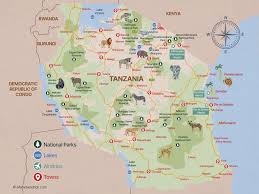
Tanzania is one of Africa’s most iconic safari destinations, offering unmatched wildlife experiences, dramatic landscapes, and rich cultural encounters. From the endless plains of the Serengeti to the breathtaking Ngorongoro Crater and the tropical beaches of Zanzibar, this guide covers everything you need to plan the perfect safari in Tanzania. Why Choose Tanzania for a Safari? Tanzania is home to some of the world’s most famous national parks and wildlife reserves. It is especially known for: Whether you are a first-time traveler or a seasoned safari explorer, Tanzania offers something unforgettable. Best Safari Destinations in Tanzania Serengeti National Park The Serengeti is Tanzania’s most famous park and one of the greatest wildlife destinations on Earth. It is best known for the Great Migration, where millions of wildebeest and zebras move across the plains in search of fresh grass. Highlights: Ngorongoro Conservation Area This UNESCO World Heritage Site features the world’s largest intact volcanic caldera. The crater is a natural enclosure for wildlife, making it one of the best places to see the Big Five in a single day. Highlights: Tarangire National Park Known for its massive elephant herds and ancient baobab trees, Tarangire is often less crowded than other parks but rich in wildlife. Highlights: Lake Manyara National Park A small but diverse park located at the base of the Rift Valley escarpment. It is famous for tree-climbing lions and flamingos. Highlights: Zanzibar After safari adventures, many travelers relax on the white sandy beaches of Zanzibar. This island offers crystal-clear waters, coral reefs, and rich Swahili culture. Highlights: Best Time to Visit Tanzania Tanzania is a year-round destination, but the best time depends on your safari goals: Types of Safaris in Tanzania 1. Budget Safari 2. Mid-range Safari 3. Luxury Safari Typical Safari Itinerary (7 Days Example) What to Pack for a Tanzania Safari Travel Tips for Tanzania Safari Conclusion A safari in Tanzania is more than a trip—it’s a life-changing experience. From the dramatic wildlife action in the Serengeti to the peaceful beaches of Zanzibar, Tanzania offers a perfect balance of adventure and relaxation. If you are planning an African safari, Tanzania should be at the top of your list.

Ultimate Tanzania Safari Travel Guide Read Post »

Scroll to Top
0

Subtotal