
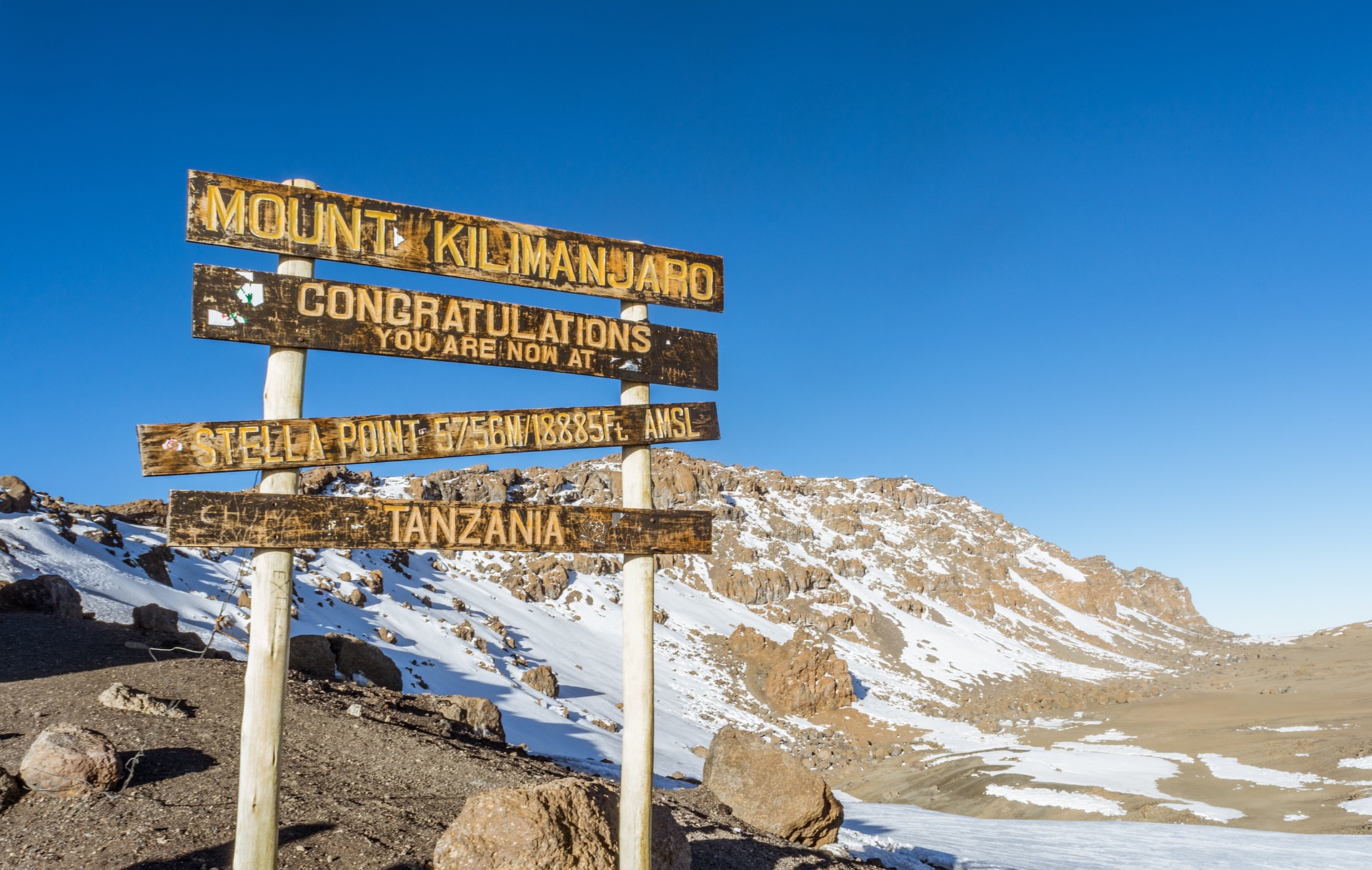
Climbing Mount Kilimanjaro is a rewarding adventure, but it also comes with real risks due to altitude, weather, and physical demands. Proper preparation and awareness are essential to ensure a safe and successful trek.
This guide covers the most important safety tips every climber should follow.
1. Choose the Right Route
Not all routes are equal in terms of safety.
Safer options:
- Longer routes (better acclimatization)
- Routes with gradual ascent profiles
Examples:
- Lemosho Route
- Northern Circuit Route
Avoid very short itineraries, as they increase the risk of altitude sickness.
2. Acclimatize Properly
The biggest risk on Kilimanjaro is Altitude Sickness.
To reduce risk:
- Climb slowly (“pole pole”)
- Follow the “climb high, sleep low” principle
- Choose routes with more days (7–9 days ideal)
Never rush your ascent.
3. Listen to Your Guide
Guides are trained and experienced in mountain safety.
Always:
- Follow their pace
- Report any symptoms immediately
- Trust their decisions
They are responsible for your safety on Mount Kilimanjaro.
4. Stay Hydrated
Dehydration worsens altitude sickness.
- Drink 3–4 liters of water daily
- Carry a water bottle or hydration system
- Drink even if you don’t feel thirsty
Hydration helps your body adjust to altitude.
5. Eat Properly
Loss of appetite is common at altitude, but food is essential.
- Eat high-energy meals
- Take snacks (nuts, chocolate, energy bars)
- Don’t skip meals
Energy levels are crucial for long trekking days.
6. Pack the Right Gear
Proper equipment keeps you safe in extreme conditions.
Essential items:
- Warm layered clothing
- Waterproof jacket and pants
- Good quality hiking boots
- Gloves, hat, and sunglasses
- Sleeping bag rated for cold temperatures
Weather changes quickly, so be prepared.
7. Protect Yourself from Cold
Temperatures at the summit can drop below -15°C.
To stay safe:
- Wear multiple layers
- Keep hands and feet warm
- Avoid sweating too much (adjust layers)
Cold exposure can lead to serious conditions if ignored.
8. Be Aware of Altitude Symptoms
Recognize early signs of Altitude Sickness:
- Headache
- Nausea
- Dizziness
- Fatigue
Severe symptoms:
- Confusion
- Difficulty walking
- Shortness of breath at rest
If symptoms worsen, descend immediately.
9. Take It Slow
Speed is not important—consistency is.
- Walk slowly (“pole pole”)
- Take regular breaks
- Maintain steady breathing
Going too fast is one of the main reasons climbers fail.
10. Protect Against Sun Exposure
At high altitude, UV radiation is very strong.
- Wear sunglasses
- Use sunscreen (SPF 30+)
- Cover your skin
Even in cold weather, sunburn is a real risk.
11. Get Travel Insurance
Always have insurance that covers:
- High-altitude trekking
- Emergency evacuation
- Medical expenses
This is a critical safety requirement.
12. Train Before the Climb
Physical preparation reduces risks.
- Build endurance (walking, hiking, cardio)
- Practice with a backpack
- Strengthen legs and core
Good fitness improves your overall safety.
13. Respect the Mountain
Mount Kilimanjaro is not technical, but it is still dangerous.
- Weather can change suddenly
- Altitude affects everyone differently
- Conditions can be harsh
Stay humble and prepared.
14. Use a Reputable Tour Operator
A good operator ensures:
- Experienced guides
- Proper equipment
- Safety procedures
- Emergency readiness
Avoid choosing based only on price.
Final Thoughts
Climbing Mount Kilimanjaro is achievable for many people, but safety must always come first. With the right preparation, proper pacing, and respect for altitude, you can minimize risks and enjoy an incredible adventure.
Remember: reaching the summit is optional, but returning safely is mandatory.

