

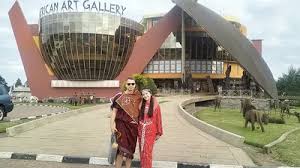
A cultural safari in Tanzania offers a unique opportunity to go beyond wildlife and discover the rich traditions, lifestyles, and history of its people. With over 120 ethnic groups, Tanzania is one of the most culturally diverse countries in Africa, making it an ideal destination for travelers seeking meaningful and authentic experiences.
What is a Cultural Safari?
A cultural safari focuses on human experiences rather than wildlife, allowing you to interact with local communities, learn traditional practices, and understand daily life in both rural and urban settings.
What It Includes:
- Village visits
- Traditional dances and music
- Local food experiences
- Handicraft and artisan workshops
- Historical and heritage tours
Why Choose a Cultural Safari in Tanzania?
1. Rich Cultural Diversity
Tanzania is home to many ethnic groups, each with distinct languages, traditions, and customs.
2. Authentic Local Experiences
You don’t just observe—you participate, whether it’s cooking, farming, or storytelling.
3. Responsible Tourism
Cultural safaris support local communities directly, promoting sustainable tourism.
4. Perfect Add-On to Wildlife Safaris
You can easily combine cultural tours with visits to famous parks like the Serengeti National Park or Ngorongoro Crater.
Top Cultural Safari Experiences
Visit the Maasai
One of the most well-known tribes in East Africa.
Experiences:
- Traditional dances and jumping ceremonies
- Learning about cattle-based lifestyle
- Visiting Maasai bomas (homes)
Meet the Hadzabe
A rare opportunity to interact with one of the last hunter-gatherer communities.
Highlights:
- Hunting demonstrations
- Survival techniques
- Unique cultural traditions
Discover the Datoga
Known for their blacksmithing skills.
Activities:
- Traditional metalwork demonstrations
- Cultural storytelling
- Village visits
Explore Mto wa Mbu
A multicultural village near Lake Manyara.
What You’ll Do:
- Guided cultural walks
- Taste traditional Tanzanian dishes
- Visit farms and local homes
Experience the Chagga Culture
Located on the slopes of Mount Kilimanjaro.
Highlights:
- Coffee-making tours
- Traditional food preparation
- Historical insights
Popular Cultural Safari Destinations
- Arusha – Cultural hub and safari gateway
- Lake Eyasi – Home to Hadzabe and Datoga tribes
- Bagamoyo – Rich Swahili history
- Zanzibar – Coastal culture and heritage
Sample 5-Day Cultural Safari Itinerary
Day 1: Arrival in Arusha
- Cultural orientation
- Visit local markets
Day 2: Maasai Village Experience
- Cultural interaction
- Traditional dance and storytelling
Day 3: Lake Eyasi Visit
- Meet Hadzabe and Datoga communities
Day 4: Mto wa Mbu Cultural Tour
- Village walk and food tasting
Day 5: Departure
- Optional souvenir shopping
Best Time for a Cultural Safari
Cultural safaris are available all year round, but the best periods are:
- June–October: Dry season, easier travel
- January–March: Warm and pleasant
Responsible Travel Tips
- Respect local customs and traditions
- Ask before taking photos
- Dress modestly
- Support local artisans by buying handmade products
What to Pack
- Comfortable clothing
- Walking shoes
- Camera
- Notebook for learning experiences
- Small cash for local purchases
Final Thoughts
A cultural safari in Tanzania offers a deeper, more meaningful way to explore the country. It connects you with people, traditions, and stories that you won’t find on a typical wildlife safari.
If you want to experience the true spirit of Tanzania—not just its landscapes and animals—then a cultural safari is the perfect choice.