

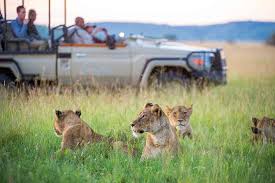
An eco tourism safari in Tanzania is a responsible way of exploring wildlife while protecting nature, supporting local communities, and minimizing environmental impact. It often includes visits to protected areas such as Serengeti National Park with eco-friendly lodges and conservation-focused activities.
What is Eco Tourism Safari?
Eco tourism safari is sustainable travel that focuses on:
- Protecting wildlife and natural habitats
- Supporting local communities and conservation projects
- Reducing pollution and environmental damage
- Promoting education about nature and ecosystems
Why Choose an Eco Tourism Safari?
This safari style is perfect for responsible travelers:
- Stay in eco-lodges and sustainable camps
- Low-impact travel methods (fly-in or fuel-efficient vehicles)
- Learn about conservation efforts
- Direct support to local communities
Eco-Friendly Safari Experiences
Game Drives with Conservation Focus
- Guided wildlife viewing in protected areas
- Respect for animal behavior and habitats
- Education on conservation efforts
Walking Safaris
- Explore nature on foot with trained guides
- Learn about plants, tracks, and ecosystems
- Minimal environmental disturbance
Community Visits
- Visit Maasai or local villages
- Learn traditional lifestyles and culture
- Support local crafts and businesses
Eco Lodges Experience
- Solar-powered accommodation
- Water conservation systems
- Locally sourced food and products
Top Eco Tourism Safari Destinations
Serengeti National Park
- Strong conservation programs
- Wildlife protection initiatives
- Eco-lodges in remote areas
Ngorongoro Conservation Area
- UNESCO-protected ecosystem
- Maasai community coexistence with wildlife
- Controlled tourism for sustainability
Tarangire National Park
- Elephant conservation efforts
- Less crowded and environmentally sensitive tourism
Nyerere National Park
- Large protected wilderness
- Boat and walking safaris with low impact
Suggested 5–8 Day Eco Safari Itinerary
Day 1: Arrival in Arusha
- Eco lodge stay and briefing
Day 2–3: Tarangire Eco Safari
- Game drives in sustainable tourism areas
- Community interaction
Day 4–5: Serengeti Eco Experience
- Explore Serengeti National Park
- Stay in eco-friendly camps
- Wildlife conservation education
Day 6: Ngorongoro Conservation Area
- Crater safari with controlled tourism
Day 7–8: Return or Extension
- Optional extension to Zanzibar eco resorts
Best Time for Eco Tourism Safari
- June to October: Best wildlife viewing and dry conditions
- January to March: Green season and fewer tourists
- Year-round: Eco lodges operate sustainably
What to Pack
- Reusable water bottle
- Eco-friendly toiletries
- Neutral-colored clothing
- Camera and binoculars
- Light layers for varying temperatures
Estimated Cost (Per Person)
- Mid-range eco safari: $250 – $600 per day
- Luxury eco safari: $600 – $1,500+ per day
Includes accommodation, transport, guide, meals, and park fees.
Eco Safari Tips
- Choose certified eco lodges
- Avoid single-use plastics
- Respect wildlife distances
- Support local communities and guides
- Travel in small groups
Final Thoughts
An eco tourism safari in Tanzania is a meaningful way to experience nature while protecting it. From the vast wilderness of Serengeti National Park to the unique ecosystem of Ngorongoro Conservation Area, it combines adventure with sustainability.