

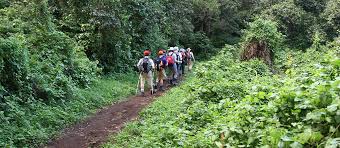
Climbing Kilimanjaro in January
Is January a Good Time to Climb Kilimanjaro?
January is considered one of the best months to climb Mount Kilimanjaro. The mountain usually experiences warm daytime temperatures, relatively dry conditions, and clear skies during this period, making it a popular season for trekkers from around the world.
Many climbers choose January because it offers an excellent balance between favorable weather, beautiful scenery, and manageable crowd levels.
January Weather on Kilimanjaro
January falls within Tanzania’s short dry season and often provides stable climbing conditions across most Kilimanjaro routes.
Trekkers can expect:
- Dry trails in many sections
- Sunny daytime conditions
- Cooler temperatures at high altitude
- Clear summit views
Although weather conditions are generally good, mountain weather can still change quickly, especially near the summit.
Temperature Conditions in January
Temperatures on Kilimanjaro vary depending on altitude.
Lower Slopes
The rainforest zone is usually warm and humid with comfortable hiking conditions.
Mid-Elevation Camps
Temperatures become cooler during evenings and early mornings.
Summit Zone
At Uhuru Peak, summit night temperatures can drop well below freezing.
Strong winds and cold air make proper layering essential during the final ascent.
Advantages of Climbing Kilimanjaro in January
1. Clear Mountain Views
January often offers excellent visibility, allowing trekkers to enjoy panoramic views of glaciers, clouds, and surrounding landscapes.
Photography conditions are usually outstanding during this season.
2. Dry Trekking Conditions
Compared to the rainy months, January trails are generally drier and easier to hike.
Dry conditions help reduce:
- Muddy trails
- Slippery paths
- Wet camping gear
3. Moderate Crowds
January attracts many climbers, but it is often less crowded than peak months such as July and August.
Trekkers can enjoy a more peaceful mountain experience while still benefiting from good weather.
4. Higher Summit Success Rates
Stable weather and proper acclimatization contribute to strong summit success rates during January climbs.
Many operators recommend January for first-time high-altitude trekkers.
Challenges of Climbing in January
Although January is one of the best climbing months, trekkers should still prepare for several challenges.
Cold Summit Night
The summit ascent remains physically demanding due to:
- Freezing temperatures
- Thin air
- Strong winds
- Long hiking hours
Altitude Sickness
Regardless of season, altitude remains Kilimanjaro’s biggest challenge.
Symptoms may include:
- Headaches
- Nausea
- Fatigue
- Dizziness
Proper acclimatization is essential for a successful climb.
Best Kilimanjaro Routes in January
Several routes perform especially well during January’s dry conditions.
Machame Route
Known for scenic landscapes and good acclimatization opportunities.
Lemosho Route
Offers quieter trails and excellent summit success rates.
Northern Circuit Route
Provides the longest acclimatization period and beautiful remote scenery.
Marangu Route
Popular for its hut accommodations instead of camping.
What to Pack for January Climbs
Even during dry months, Kilimanjaro climbers must prepare for changing weather conditions.
Essential gear includes:
- Waterproof jacket
- Thermal clothing
- Warm gloves
- Insulated sleeping bag
- Hiking boots
- Headlamp
- Sun protection
- Trekking poles
Layered clothing is especially important for adapting to different climate zones.
Fitness Preparation for January Climbs
Climbing Mount Kilimanjaro requires physical and mental preparation.
Recommended training includes:
- Cardio exercises
- Hiking practice
- Strength training
- Endurance workouts
Good fitness improves comfort and recovery during the trek.
Wildlife and Scenic Beauty in January
January conditions often create beautiful scenery on the mountain.
Trekkers may enjoy:
- Clear glacier views
- Green rainforest vegetation
- Stunning sunrises
- Spectacular cloud formations
The mountain’s ecosystems are especially vibrant during this time.
Tips for Climbing Kilimanjaro in January
Climb Slowly
Walking slowly helps improve acclimatization and conserve energy.
Stay Hydrated
Drink plenty of water throughout the trek.
Choose a Longer Route
Longer itineraries improve the body’s ability to adapt to altitude.
Use Experienced Guides
Professional guides monitor health and provide important support during the climb.
Final Thoughts
Climbing Mount Kilimanjaro in January offers excellent weather, clear views, dry trails, and strong summit conditions. It is one of the most recommended months for trekkers seeking a safe and enjoyable Kilimanjaro adventure.
With proper preparation, quality gear, acclimatization, and experienced guides, January provides an outstanding opportunity to reach Uhuru Peak and experience the beauty of Africa’s highest mountain.Climbing Kilimanjaro in January
Is January a Good Time to Climb Kilimanjaro?
January is considered one of the best months to climb Mount Kilimanjaro. The mountain usually experiences warm daytime temperatures, relatively dry conditions, and clear skies during this period, making it a popular season for trekkers from around the world.
Many climbers choose January because it offers an excellent balance between favorable weather, beautiful scenery, and manageable crowd levels.
January Weather on Kilimanjaro
January falls within Tanzania’s short dry season and often provides stable climbing conditions across most Kilimanjaro routes.
Trekkers can expect:
- Dry trails in many sections
- Sunny daytime conditions
- Cooler temperatures at high altitude
- Clear summit views
Although weather conditions are generally good, mountain weather can still change quickly, especially near the summit.
Temperature Conditions in January
Temperatures on Kilimanjaro vary depending on altitude.
Lower Slopes
The rainforest zone is usually warm and humid with comfortable hiking conditions.
Mid-Elevation Camps
Temperatures become cooler during evenings and early mornings.
Summit Zone
At Uhuru Peak, summit night temperatures can drop well below freezing.
Strong winds and cold air make proper layering essential during the final ascent.
Advantages of Climbing Kilimanjaro in January
1. Clear Mountain Views
January often offers excellent visibility, allowing trekkers to enjoy panoramic views of glaciers, clouds, and surrounding landscapes.
Photography conditions are usually outstanding during this season.
2. Dry Trekking Conditions
Compared to the rainy months, January trails are generally drier and easier to hike.
Dry conditions help reduce:
- Muddy trails
- Slippery paths
- Wet camping gear
3. Moderate Crowds
January attracts many climbers, but it is often less crowded than peak months such as July and August.
Trekkers can enjoy a more peaceful mountain experience while still benefiting from good weather.
4. Higher Summit Success Rates
Stable weather and proper acclimatization contribute to strong summit success rates during January climbs.
Many operators recommend January for first-time high-altitude trekkers.
Challenges of Climbing in January
Although January is one of the best climbing months, trekkers should still prepare for several challenges.
Cold Summit Night
The summit ascent remains physically demanding due to:
- Freezing temperatures
- Thin air
- Strong winds
- Long hiking hours
Altitude Sickness
Regardless of season, altitude remains Kilimanjaro’s biggest challenge.
Symptoms may include:
- Headaches
- Nausea
- Fatigue
- Dizziness
Proper acclimatization is essential for a successful climb.
Best Kilimanjaro Routes in January
Several routes perform especially well during January’s dry conditions.
Machame Route
Known for scenic landscapes and good acclimatization opportunities.
Lemosho Route
Offers quieter trails and excellent summit success rates.
Northern Circuit Route
Provides the longest acclimatization period and beautiful remote scenery.
Marangu Route
Popular for its hut accommodations instead of camping.
What to Pack for January Climbs
Even during dry months, Kilimanjaro climbers must prepare for changing weather conditions.
Essential gear includes:
- Waterproof jacket
- Thermal clothing
- Warm gloves
- Insulated sleeping bag
- Hiking boots
- Headlamp
- Sun protection
- Trekking poles
Layered clothing is especially important for adapting to different climate zones.
Fitness Preparation for January Climbs
Climbing Mount Kilimanjaro requires physical and mental preparation.
Recommended training includes:
- Cardio exercises
- Hiking practice
- Strength training
- Endurance workouts
Good fitness improves comfort and recovery during the trek.
Wildlife and Scenic Beauty in January
January conditions often create beautiful scenery on the mountain.
Trekkers may enjoy:
- Clear glacier views
- Green rainforest vegetation
- Stunning sunrises
- Spectacular cloud formations
The mountain’s ecosystems are especially vibrant during this time.
Tips for Climbing Kilimanjaro in January
Climb Slowly
Walking slowly helps improve acclimatization and conserve energy.
Stay Hydrated
Drink plenty of water throughout the trek.
Choose a Longer Route
Longer itineraries improve the body’s ability to adapt to altitude.
Use Experienced Guides
Professional guides monitor health and provide important support during the climb.
Final Thoughts
Climbing Mount Kilimanjaro in January offers excellent weather, clear views, dry trails, and strong summit conditions. It is one of the most recommended months for trekkers seeking a safe and enjoyable Kilimanjaro adventure.
With proper preparation, quality gear, acclimatization, and experienced guides, January provides an outstanding opportunity to reach Uhuru Peak and experience the beauty of Africa’s highest mountain.