
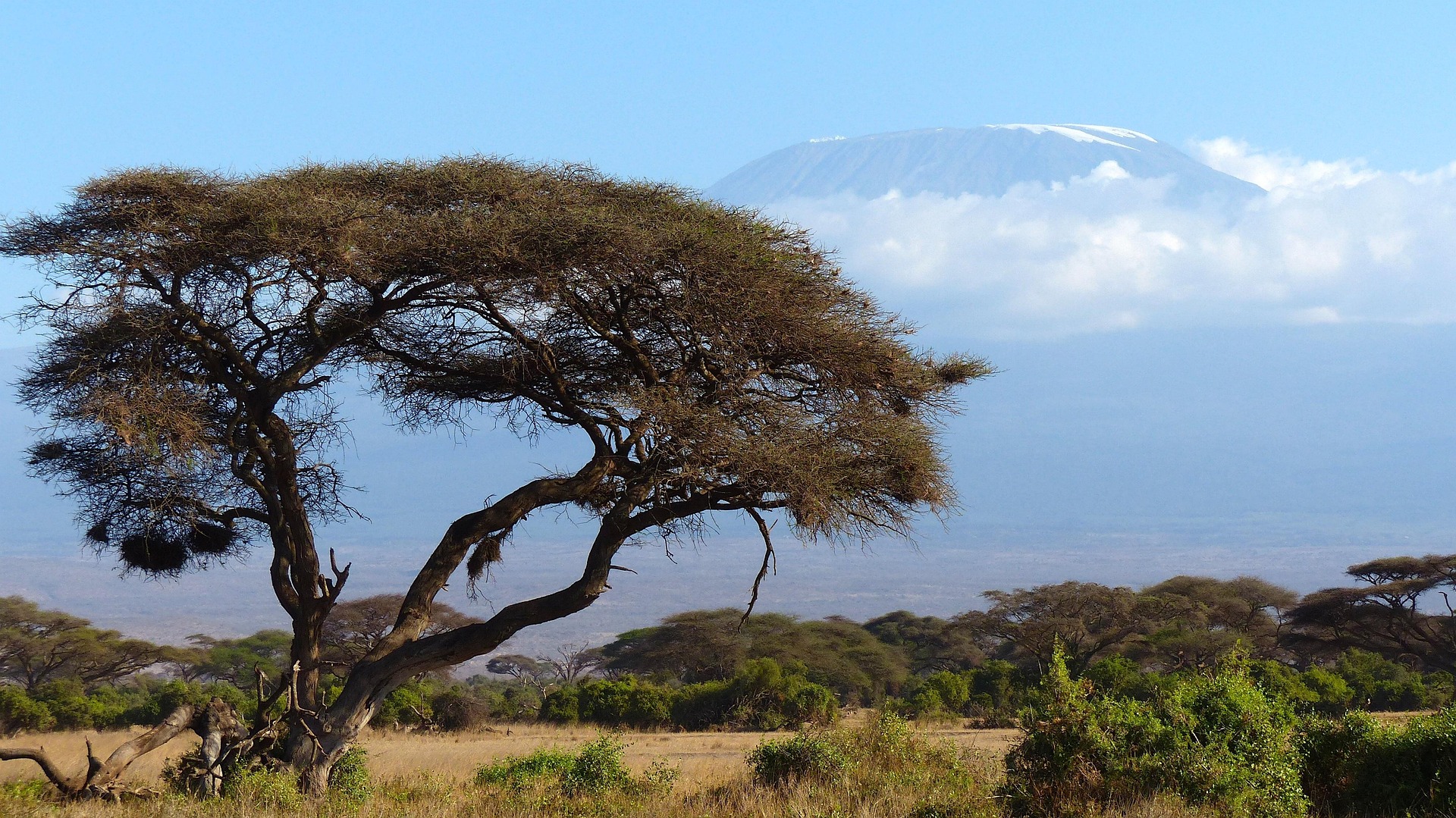
Mount Kilimanjaro is famous not only for being Africa’s highest mountain, but also for its incredible variety of vegetation zones. As climbers ascend from the base to the summit at Uhuru Peak, they pass through several distinct ecological regions, each with unique climate, plants, landscapes, and wildlife.
The mountain is often described as a journey from the equator to the Arctic because trekkers experience dramatic environmental changes over just a few days.
OVERVIEW OF KILIMANJARO VEGETATION ZONES
The main vegetation zones on Mount Kilimanjaro include:
- Cultivation Zone
- Rainforest Zone
- Heath and Moorland Zone
- Alpine Desert Zone
- Arctic Summit Zone
Each zone changes with altitude, temperature, and rainfall patterns.
1. CULTIVATION ZONE
ALTITUDE:
- Approximately 800 to 1,800 meters
The cultivation zone surrounds the lower slopes of Kilimanjaro and is home to local farming communities, especially the Chagga people.
COMMON CROPS:
- Bananas
- Coffee
- Maize
- Beans
The volcanic soil around the mountain is extremely fertile, making this area ideal for agriculture.
CHARACTERISTICS:
- Warm temperatures
- Rich farmland
- Villages and settlements
- Green landscapes
This is usually the first area visitors see before entering the national park gates.
2. RAINFOREST ZONE
ALTITUDE:
- Approximately 1,800 to 2,800 meters
The rainforest zone is one of the most beautiful sections of Mount Kilimanjaro.
FEATURES:
- Dense forest
- High rainfall
- Mist and humidity
- Giant trees and mosses
COMMON PLANTS:
- Ferns
- Bamboo
- Tropical trees
- Hanging mosses
WILDLIFE:
- Blue Monkey
- Colobus Monkey
- Tropical birds
The rainforest is rich in biodiversity and provides important water resources for surrounding communities.
3. HEATH AND MOORLAND ZONE
ALTITUDE:
- Approximately 2,800 to 4,000 meters
As climbers gain altitude, the rainforest slowly disappears and the landscape opens into heath and moorland.
CHARACTERISTICS:
- Cooler temperatures
- Open landscapes
- Shrubs and grasses
- Rocky terrain
UNIQUE PLANTS:
- Giant groundsels
- Giant lobelias
- Heather plants
This zone is famous for its unusual high-altitude vegetation and dramatic scenery.
Many climbers enjoy panoramic views and beautiful sunsets in this area.
4. ALPINE DESERT ZONE
ALTITUDE:
- Approximately 4,000 to 5,000 meters
The alpine desert zone is harsh and dry with very little vegetation.
CONDITIONS:
- Strong sunlight during the day
- Cold nights
- Thin oxygen levels
- Dry air and rocky terrain
PLANT LIFE:
- Very limited vegetation
- Small hardy plants near lower sections
The landscape here often feels similar to a desert or lunar environment.
Most high camps such as:
- Barafu Camp
- Kibo Hut
are located within this zone.
5. ARCTIC SUMMIT ZONE
ALTITUDE:
- Above 5,000 meters
The summit zone surrounding:
- Uhuru Peak
is the coldest and harshest environment on the mountain.
CONDITIONS:
- Snow and ice
- Freezing temperatures
- Strong winds
- Very low oxygen levels
Vegetation is almost completely absent because conditions are too extreme for most plant life.
This zone resembles polar environments despite being located near the equator.
HOW VEGETATION CHANGES WITH ALTITUDE
The dramatic vegetation changes on Mount Kilimanjaro happen because altitude affects:
- Temperature
- Rainfall
- Oxygen levels
- Soil conditions
As climbers move higher:
- Temperatures decrease
- Rainfall patterns change
- Plant diversity becomes lower
Each zone supports different ecosystems adapted to those conditions.
WHY KILIMANJARO IS ECOLOGICALLY UNIQUE
Very few mountains in the world allow climbers to experience:
- Tropical rainforest
- Moorland
- Desert
- Arctic summit conditions
all during a single trek.
This ecological diversity makes Kilimanjaro one of the most unique trekking destinations on Earth.
BEST ROUTES TO EXPERIENCE VEGETATION ZONES
Several routes provide excellent opportunities to experience the changing landscapes.
POPULAR ROUTES:
- Machame Route
- Lemosho Route
- Northern Circuit Route
Longer routes allow more time to enjoy the environmental transitions between zones.
PHOTOGRAPHY AND SCENERY
Each vegetation zone offers unique photography opportunities.
RAINFOREST:
- Green forest scenery
- Wildlife and waterfalls
MOORLAND:
- Giant lobelias and sunsets
ALPINE DESERT:
- Rocky volcanic landscapes
SUMMIT:
- Snow, glaciers, and sunrise views
The changing scenery is one of the highlights of climbing Kilimanjaro.
ENVIRONMENTAL CONSERVATION
The ecosystems of Mount Kilimanjaro are environmentally sensitive.
Climate change, deforestation, and glacier melting threaten parts of the mountain’s natural environment.
Responsible tourism and conservation efforts help protect Kilimanjaro’s biodiversity and landscapes for future generations.
FINAL THOUGHTS
The vegetation zones of Mount Kilimanjaro create one of the most remarkable ecological journeys in the world. From fertile farmland and lush rainforest to alpine desert and icy summit conditions, the mountain offers climbers an unforgettable experience through multiple natural environments.
These dramatic changes in landscape and climate are part of what makes Kilimanjaro such a unique and world-famous trekking destination.