Travel Insights

Group Kilimanjaro Trekking Tour

Rongai Route Kilimanjaro Overview

The Rongai Route is one of the quieter and less crowded ways to climb Mount Kilimanjaro in Tanzania. Approaching the mountain from the northern side near the Kenyan border, this route is known for its dry conditions, scenic views, and peaceful trekking experience. Why Choose the Rongai Route? This route is ideal for trekkers seeking a quieter adventure: Route Overview What Makes Rongai Route Unique? Climbing Mount Kilimanjaro via Rongai offers: Suggested 7-Day Rongai Route Itinerary Day 1: Rongai Gate to Simba Camp Day 2: Simba Camp to Kikelewa Camp Day 3: Kikelewa Camp to Mawenzi Tarn Camp Day 4: Acclimatization Day at Mawenzi Tarn Day 5: Mawenzi Tarn to Kibo Camp Day 6: Summit Day (Uhuru Peak) Day 7: Horombo Hut to Marangu Gate Difficulty Level Best Time to Climb What to Pack Tips for Success Estimated Cost (Per Person) Includes guides, porters, camping equipment, park fees, and meals. Pros and Cons Pros: Cons: Final Thoughts The Rongai Route offers a शांत and rewarding way to climb Mount Kilimanjaro. With its remote approach, gentle ascent, and unique views, it is an excellent choice for those looking for a quieter trekking experience in Tanzania.

Rongai Route Kilimanjaro Overview Read Post »
Hardest Kilimanjaro Routes Comparison

Hardest Kilimanjaro Routes Comparison

mbing Mount Kilimanjaro is a challenge on any route—but some routes are significantly harder than others. These routes demand strong fitness, mental toughness, and prior trekking experience due to steep ascents, shorter acclimatization time, and tough terrain. In this guide, we compare the hardest Kilimanjaro routes to help you understand which one truly tests your limits. What Makes a Kilimanjaro Route Hard? Several factors determine difficulty: The biggest challenge is altitude, but steep and fast routes increase the risk dramatically. Hardest Kilimanjaro Routes Ranked 1. Umbwe Route (Hardest Overall) The Umbwe Route is widely considered the toughest way to climb Kilimanjaro. Why it’s the hardest: Experience level: Advanced trekkers only 👉 This route is for experienced climbers who want a serious challenge. 2. Machame Route (Challenging but Popular) The Machame Route is not the hardest, but it is physically demanding. Why it’s tough: Why people still choose it: 👉 A good choice for fit beginners—but still demanding. 3. Rongai Route (Moderate but Can Be Hard) The Rongai Route is usually considered easier, but certain factors can make it tough. Challenges: 👉 Easier physically, but altitude can still make it difficult. 4. Marangu Route (Deceptively Difficult) The Marangu Route seems easy—but it can be surprisingly hard. Why it’s challenging: 👉 Many climbers underestimate this route. Comparison Table Route Difficulty Level Steepness Acclimatization Success Rate Umbwe Very High Very Steep Poor Low Machame High Steep Good High Rongai Moderate Gentle Moderate Moderate Marangu Moderate-High Moderate Poor Low Key Takeaways Who Should Choose the Hardest Routes? You should only consider harder routes if: Tips for Tackling Difficult Routes Final Thoughts The hardest routes on Mount Kilimanjaro offer incredible rewards—but they come with greater risks. Choosing a route like Umbwe or a shorter itinerary can push you to your limits, while routes like Machame provide a balance between challenge and success. If your goal is simply to reach the summit, a longer and less aggressive route is a smarter choice. But if you’re seeking a true test of endurance, the hardest routes will give you exactly that.

Hardest Kilimanjaro Routes Comparison Read Post »

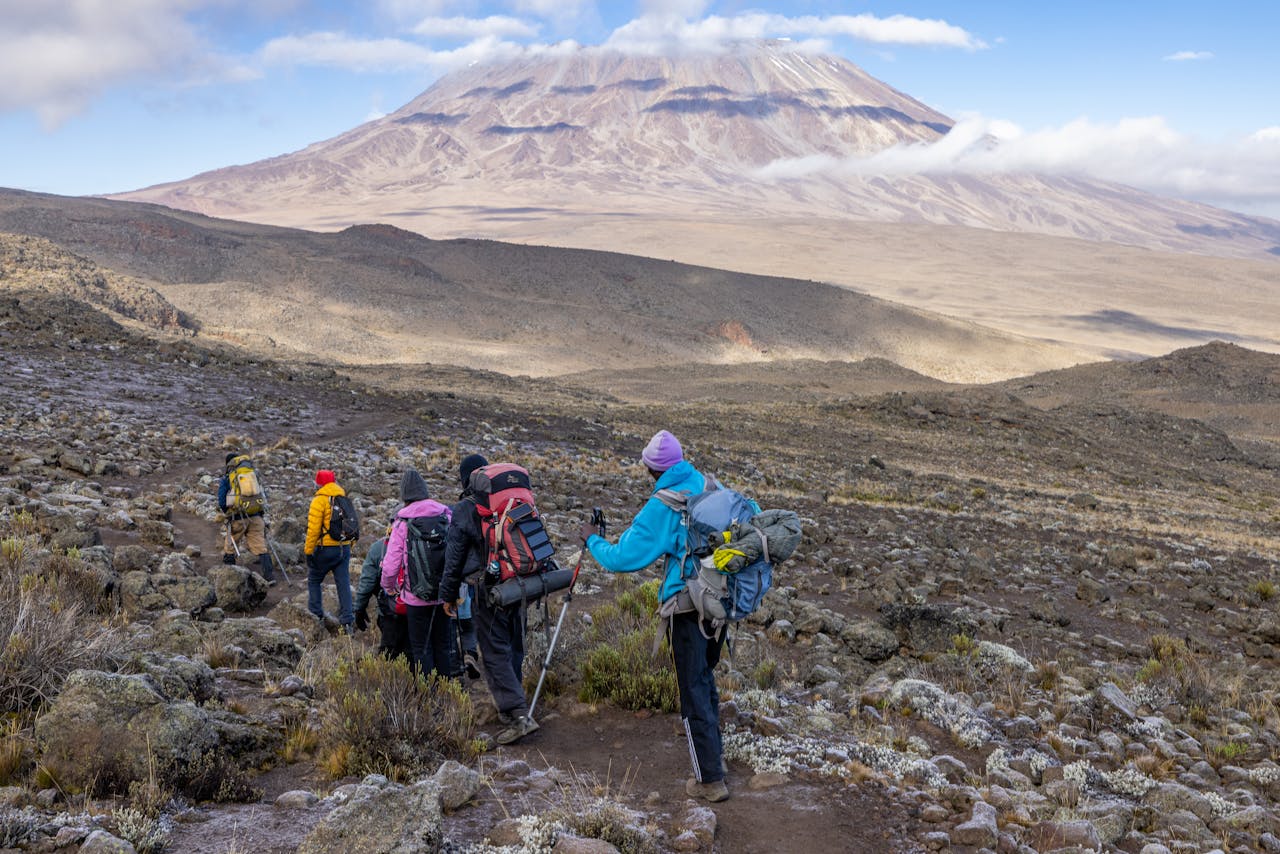
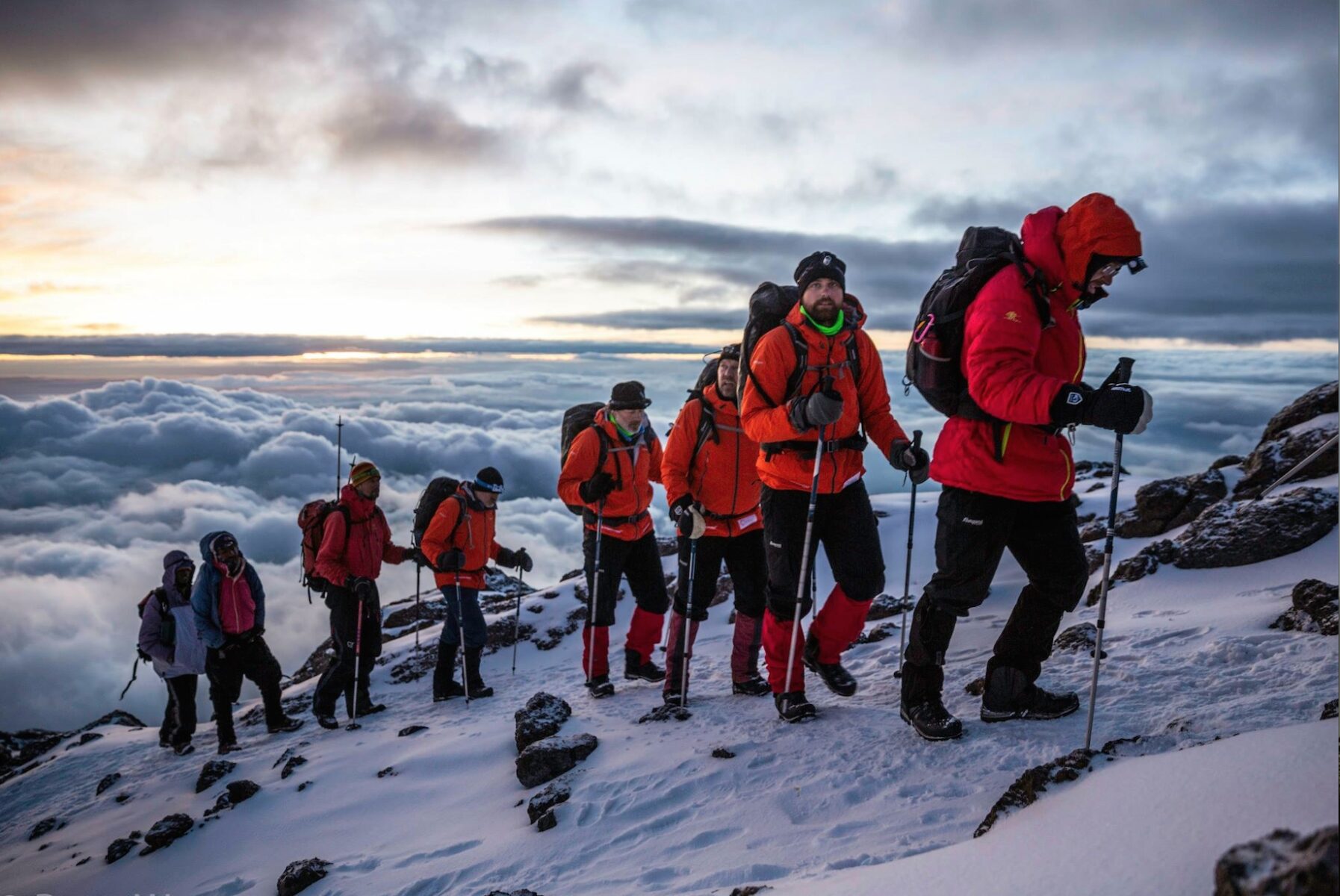
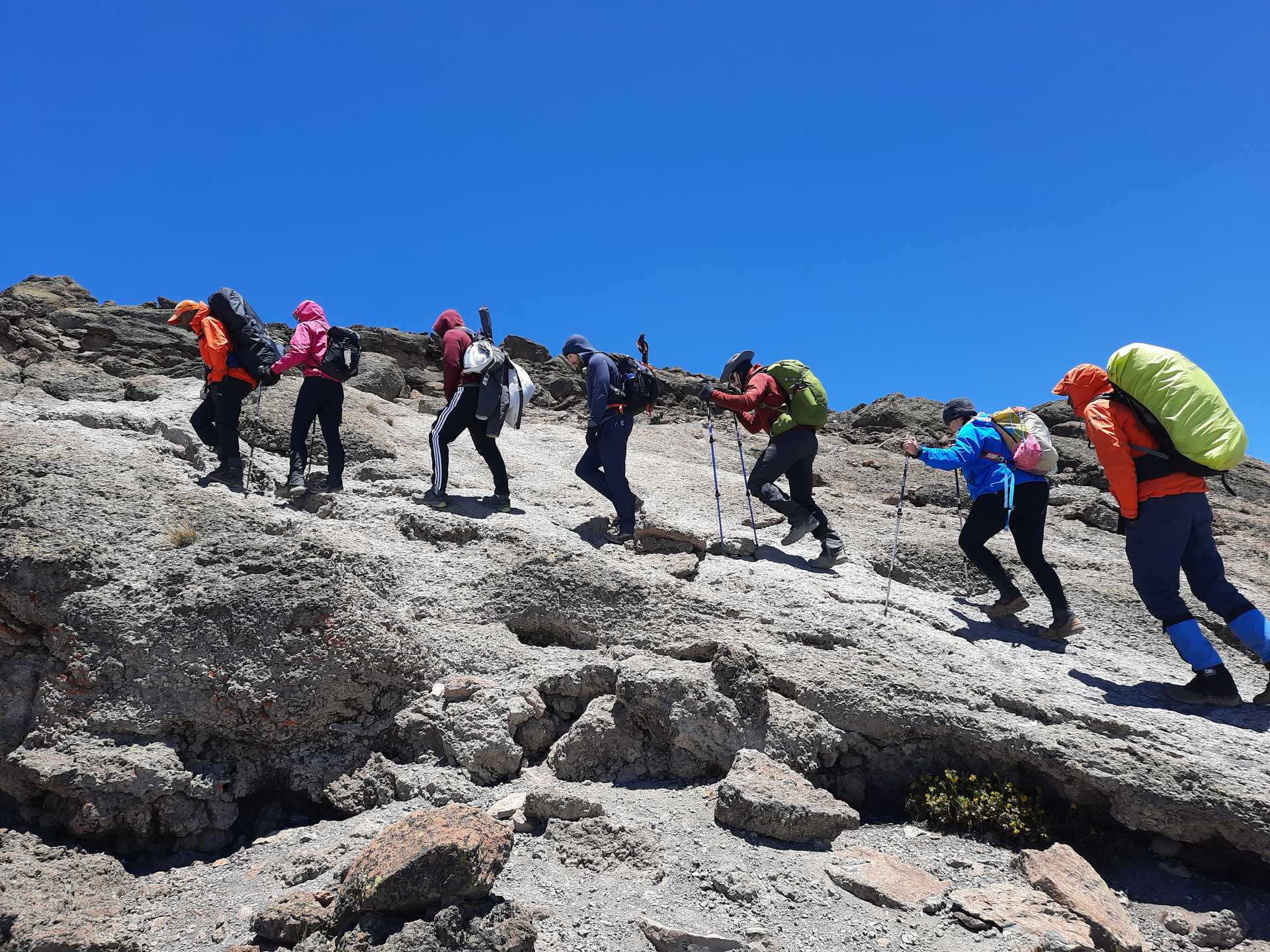
Hikers exploring the rugged trails of Mount Kilimanjaro, Tanzania, surrounded by stunning vistas.

Marangu Route Kilimanjaro (Hut Route Guide

The Marangu Route is the oldest and most established route on Mount Kilimanjaro in Tanzania. Often called the “Coca-Cola Route,” it is the only route that offers hut accommodation instead of camping, making it a popular choice for comfort-focused trekkers. Why Choose the Marangu Route? This route is ideal for those who prefer more comfort: Route Overview What Makes Marangu Unique? Climbing Mount Kilimanjaro via Marangu offers: Hut Accommodation Experience Along the route, you will stay in huts at different camps: Features include: Suggested 6-Day Marangu Route Itinerary Day 1: Marangu Gate to Mandara Hut Day 2: Mandara Hut to Horombo Hut Day 3: Acclimatization Day at Horombo Hut Day 4: Horombo Hut to Kibo Hut Day 5: Summit Day (Uhuru Peak) Day 6: Horombo Hut to Marangu Gate Difficulty Level Best Time to Climb What to Pack Tips for Success Estimated Cost (Per Person) Includes huts, guides, porters, park fees, and meals. Pros and Cons Pros: Cons: Final Thoughts The Marangu Route is the best option for climbers who want a more comfortable experience on Mount Kilimanjaro. With hut accommodation and a straightforward path, it offers a practical way to reach the summit while enjoying the beauty of Tanzania.

Marangu Route Kilimanjaro (Hut Route Guide Read Post »

Hardest Kilimanjaro Routes Comparison

Lemosho Route Kilimanjaro Itinerary

The Lemosho Route is one of the best and most scenic ways to climb Mount Kilimanjaro in Tanzania. Known for its beautiful landscapes, low traffic, and excellent acclimatization profile, it offers one of the highest summit success rates. Why Choose the Lemosho Route? This route is ideal for both beginners and experienced trekkers: Route Overview What Makes Lemosho Unique? Climbing Mount Kilimanjaro via Lemosho offers: Suggested 8-Day Lemosho Route Itinerary Day 1: Lemosho Gate to Mti Mkubwa Camp Day 2: Mti Mkubwa to Shira 1 Camp Day 3: Shira 1 to Shira 2 Camp Day 4: Shira 2 to Lava Tower to Barranco Camp Day 5: Barranco Camp to Karanga Camp Day 6: Karanga Camp to Barafu Camp Day 7: Summit Day (Uhuru Peak) Day 8: Mweka Camp to Mweka Gate Difficulty Level Best Time to Climb What to Pack Tips for Success Estimated Cost (Per Person) Includes guides, porters, camping gear, park fees, and meals. Final Thoughts The Lemosho Route is one of the most rewarding ways to climb Mount Kilimanjaro. With its scenic beauty, gradual ascent, and high success rate, it offers an unforgettable trekking experience in Tanzania.

Lemosho Route Kilimanjaro Itinerary Read Post »

Kilimanjaro Summit Experience Blog

Machame Route Kilimanjaro Guide

The Machame Route is one of the most popular and scenic routes to climb Mount Kilimanjaro in Tanzania. Often called the “Whiskey Route,” it offers breathtaking views, diverse landscapes, and a high success rate thanks to good acclimatization. Why Choose the Machame Route? This route is a favorite for many climbers because: Route Overview What Makes Machame Route Unique? Climbing Mount Kilimanjaro via Machame takes you through multiple climate zones: Each day offers a completely different experience. Suggested 7-Day Machame Route Itinerary Day 1: Machame Gate to Machame Camp Day 2: Machame Camp to Shira Camp Day 3: Shira Camp to Lava Tower to Barranco Camp Day 4: Barranco Camp to Karanga Camp Day 5: Karanga Camp to Barafu Camp Day 6: Summit Day (Uhuru Peak) Day 7: Mweka Camp to Mweka Gate Difficulty Level Best Time to Climb What to Pack Tips for Success Estimated Cost (Per Person) Includes guides, porters, camping equipment, park fees, and meals. Final Thoughts The Machame Route is one of the best ways to experience Mount Kilimanjaro. With its stunning scenery, excellent acclimatization profile, and rewarding summit experience, it remains a top choice for climbers visiting Tanzania.

Machame Route Kilimanjaro Guide Read Post »

Hardest Kilimanjaro Routes Comparison

Easiest Kilimanjaro Route to Summit

Climbing Mount Kilimanjaro is achievable for beginners—but choosing the easiest route can make a huge difference in your success and overall experience. While no route is truly “easy” due to altitude and endurance demands, some routes are much more beginner-friendly thanks to gradual slopes and better acclimatization. What Makes a Kilimanjaro Route “Easy”? When we say “easiest,” we’re really referring to routes that offer: Altitude—not steepness—is the biggest challenge on Kilimanjaro. Easiest Routes to Reach the Summit 1. Northern Circuit Route (Easiest Overall) The Northern Circuit Route is widely considered the easiest route in terms of success rate and acclimatization. Why it’s the easiest: Downside: 👉 Best for: Beginners who want the highest chance of reaching the summit. 2. Lemosho Route (Best Balance of Easy + Scenic) The Lemosho Route is another excellent option for beginners. Why it’s easy: Bonus: 👉 Best for: First-time climbers who want comfort and beauty. 3. Rongai Route (Easiest Physically) The Rongai Route is known for its gentle slope. Why it feels easy: Downside: 👉 Best for: Those who prefer a simple, less physically intense climb. 4. Marangu Route (Easiest Comfort-Wise) The Marangu Route is often called the “Coca-Cola Route.” Why people think it’s easy: Reality: 👉 Best for: Comfort seekers—but only if done in 6 days. Routes That Are NOT Easy Avoid these if you’re looking for an easier climb: So, What Is the Easiest Route? Final Verdict: Tips to Make Any Route Easier Even the easiest route can become difficult without preparation. Here’s how to improve your chances: Best Time to Climb Easily For smoother conditions, climb during: Avoid rainy seasons to reduce difficulty. Final Thoughts The easiest way to reach the summit of Mount Kilimanjaro isn’t just about the route—it’s about time, pacing, and preparation. If you want the safest and easiest experience, choose the Northern Circuit or Lemosho Route, take your time, and let your body adjust to the altitude.

Easiest Kilimanjaro Route to Summit Read Post »

Hardest Kilimanjaro Routes Comparison

Kilimanjaro Climb Cost Breakdown (Tanzania)

Climbing Mount Kilimanjaro is a once-in-a-lifetime adventure—but understanding the cost is essential for planning. Prices vary depending on route, duration, and level of comfort, but this guide breaks down exactly where your money goes. Total Cost Overview The average cost to climb Kilimanjaro is: Your final budget depends on travel style, operator, and personal expenses. 1. National Park Fees (Largest Cost) Park fees are mandatory and make up 50–60% of the total price. Typical fees include: For a 6–8 day climb, total park fees are roughly:$900 – $1,300 per person 2. Guides, Porters & Crew You cannot climb Kilimanjaro independently—you must hire a licensed team. Typical daily wages: A small group may require 10–15 crew members, making this a significant part of your cost. 3. Accommodation & Meals Your package usually includes: Estimated cost portion:$200 – $500+ per person (depending on comfort level) 4. Transport & Logistics This includes: Estimated cost:$100 – $300 per person 5. Gear & Equipment If you don’t already own trekking gear: Common items: 6. Flights & Visa Additional travel costs: 7. Tips for Crew Tipping is expected and supports fair wages. Typical tip range:$150 – $300 per climber Sample Cost Breakdown (7-Day Climb) Category Estimated Cost Park Fees $900 – $1,200 Crew & Guides $400 – $700 Accommodation & Meals $200 – $500 Transport & Logistics $100 – $200 Tips $150 – $300 Total (Trek Only) $2,000 – $3,500 Cost by Route (Examples) Different routes affect pricing: Longer routes cost more but increase summit success rates. Budget vs Mid-range vs Luxury Type Price What You Get Budget $1,800 – $2,300 Basic camping, fewer services Mid-range $2,400 – $3,200 Good equipment, experienced guides Luxury $3,500 – $5,500 Private toilets, premium service Important Tip If a price looks too cheap, be cautious. Lower-cost operators may cut corners on: A slightly higher price often means better safety and higher success rates. Final Thoughts The cost of climbing Mount Kilimanjaro is not just a fee—it reflects: Best budget to plan:

Kilimanjaro Climb Cost Breakdown (Tanzania) Read Post »

Kilimanjaro Summit Experience Blog

Vaccinations for Tanzania Travel

The Serengeti National Park is one of the most famous wildlife destinations in the world, offering year-round safari experiences. However, the best time to visit depends on what you want to see—especially the iconic Great Migration. 1. Peak Season (June – October) – Best for Wildlife Viewing This is the dry season and widely considered the best time for a Serengeti safari. During this period, wildlife is highly concentrated, and the weather is sunny and dry—perfect for game drives. 2. Migration Calving Season (January – March) This is one of the most unique times to visit the Serengeti. The landscape is also lush and green after the short rains. 3. Green Season (April – May) – Low Season These are the long rainy months in the Serengeti. While wildlife is more dispersed, the park is less crowded and very scenic. 4. Shoulder Season (November – December) This is a transition period with short rains. 5. Month-by-Month Migration Guide The Great Migration moves throughout the Serengeti ecosystem: Timing your visit depends on which stage you want to witness. Final Tips Conclusion There is no single “bad” time to visit the Serengeti—it offers incredible experiences year-round. The best time depends on your goals, whether it’s witnessing the Great Migration, enjoying fewer crowds, or traveling on a budget.

Vaccinations for Tanzania Travel Read Post »

Hikers exploring the rugged trails of Mount Kilimanjaro, Tanzania, surrounded by stunning vistas.

Best Route for Kilimanjaro Beginners

Climbing Mount Kilimanjaro is a dream for many adventurers, and the good news is—you don’t need technical climbing skills to reach the summit. However, choosing the right route is the most important decision for beginners. Some routes are easier, safer, and offer better acclimatization, which greatly increases your chances of success. What Makes a Route Beginner-Friendly? Before choosing a route, beginners should consider: Best Kilimanjaro Routes for Beginners 1. Lemosho Route (Best Overall for Beginners) The Lemosho Route is widely considered the best route for first-time climbers. Why it’s ideal: Recommended duration: 7–8 days This route gives your body enough time to adjust, making it one of the safest options for beginners. 2. Machame Route (Best Balance of Challenge and Success) The Machame Route, also known as the “Whiskey Route,” is very popular. Why beginners choose it: Downside: Slightly more physically demanding than Lemosho Recommended duration: 6–7 days 3. Rongai Route (Best for Simplicity and Fewer Crowds) The Rongai Route approaches from the north near Kenya. Why it’s beginner-friendly: Downside: Less scenic variety and fewer acclimatization opportunities Recommended duration: 6–7 days 4. Northern Circuit Route (Best for Highest Success Rate) This is the longest route and has the highest success rate. Why it’s great for beginners: Downside: Requires more time and higher budget Recommended duration: 8–10 days 5. Marangu Route (Easiest but Not Always Best) The Marangu Route is often called the “Coca-Cola Route.” Why it seems easy: Why it’s not ideal: Recommended duration: 5–6 days (but 6 days is better) Routes Beginners Should Avoid These significantly reduce your chances of reaching the summit. Best Route Recommendation For most beginners: 👉 #1 Choice: Lemosho Route (7–8 days)👉 #2 Choice: Northern Circuit (if you have more time) These routes offer the best balance of safety, scenery, and success. Tips for Beginners Climbing Kilimanjaro Best Time for Beginners to Climb The ideal months are: These seasons offer better weather and safer trekking conditions. Final Thoughts Choosing the right route can make or break your Kilimanjaro experience. For beginners, routes like Lemosho, Machame, and the Northern Circuit provide the best chances of success on Mount Kilimanjaro. With proper preparation, the right route, and a positive mindset, reaching the summit is absolutely achievable—even for first-time climbers.

Best Route for Kilimanjaro Beginners Read Post »

tanzania safari details

Visa Requirements for Tanzania Tourists

Tanzania is one of Africa’s most popular travel destinations, attracting visitors for safaris in the Serengeti, Mount Kilimanjaro trekking, and beach holidays in Zanzibar. Before traveling, it is important to understand the visa requirements to ensure a smooth entry into the country. 1. Do Tourists Need a Visa for Tanzania? Most foreign nationals require a visa to enter Tanzania for tourism purposes. A visa is an official permission that allows visitors to enter and stay in the country for a limited period, usually for holidays, leisure, business, or family visits. However, some countries have visa exemption agreements with Tanzania, meaning their citizens may not need a visa. Travelers should always confirm the latest requirements before departure. 2. Types of Tourist Visas Tanzania offers different types of visas depending on the purpose and travel plan: a) Single Entry Tourist Visa b) Multiple Entry Visa c) Transit Visa 3. Ways to Obtain a Tanzania Visa Tourists can get a visa through three main methods: a) Online e-Visa b) Visa on Arrival c) Embassy or Consulate Application 4. General Entry Requirements In addition to a visa, tourists must meet several entry conditions: 5. Visa Validity and Stay Duration 6. Important Tips for Travelers Conclusion Understanding Tanzania visa requirements is essential for a smooth travel experience. Most tourists will need a visa, which can be obtained online, on arrival, or through embassies. By preparing the correct documents and following immigration rules, visitors can enjoy a stress-free journey exploring Tanzania’s natural beauty.

Visa Requirements for Tanzania Tourists Read Post »

Scroll to Top
0

Subtotal