Travel Insights

photographic family safari tanzania

Kilimanjaro Summit Experience Blog

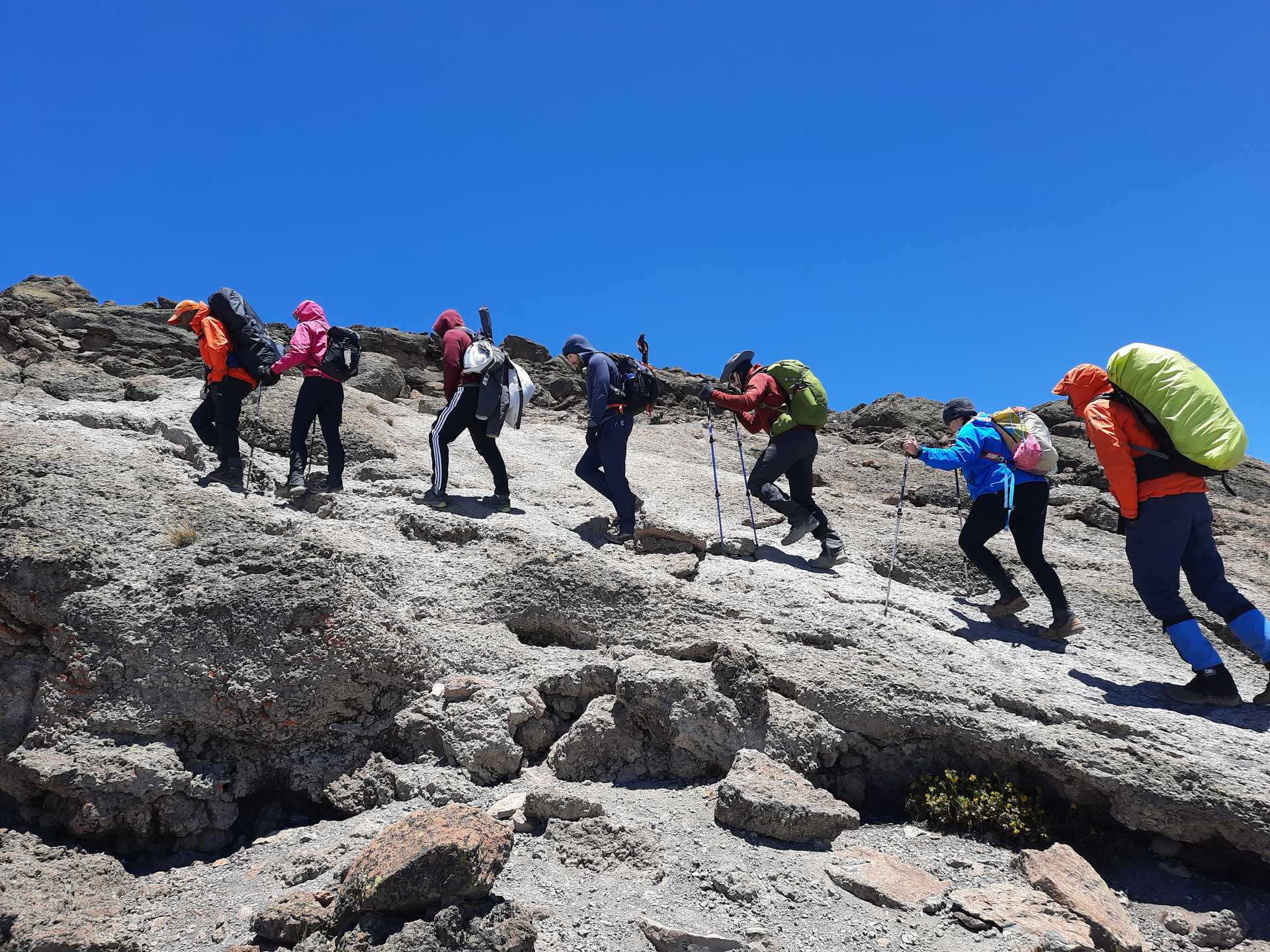
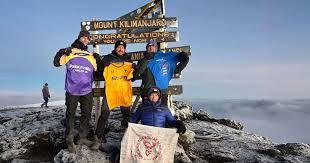
Reaching the summit of Mount Kilimanjaro is not just a physical achievement—it’s an emotional journey filled with struggle, determination, and unforgettable moments. From the freezing midnight start to the golden sunrise at the top of Africa, the summit experience is something every climber remembers for life. This blog-style guide walks you through what it truly feels like to summit Kilimanjaro. The Night Before the Summit Summit night begins long before you start walking. You arrive at base camp—usually Barafu or Kibo Hut—in the afternoon. The air is thin, the temperature is dropping, and your body is already tired from days of trekking. Your guide gives a briefing: You try to sleep, but it’s difficult. The cold, the altitude, and the anticipation make real rest almost impossible. Midnight Wake-Up You’re woken up in the dark. It’s freezing. You put on multiple layers: Outside, you see a line of tiny lights moving slowly up the mountain—other climbers already beginning their ascent. After a light snack and tea, it’s time to go. The Slow Climb in Darkness The climb starts in silence. It’s not about speed—it’s about rhythm. Step by step. The trail is steep, and the altitude makes every step feel heavier. Even simple movement requires effort. At this stage, many climbers begin to feel: But you keep going. The Mental Battle Summit night is more mental than physical. You question yourself: Your world shrinks to just: This is where determination matters most. Reaching Stella Point After several hours of climbing, you reach Stella Point on the crater rim. This is a major milestone. The horizon begins to glow. The first light of sunrise appears, and suddenly the struggle feels worth it. You are above the clouds. Final Push to Uhuru Peak From Stella Point, it’s about 45 minutes to Uhuru Peak, the highest point in Africa at 5,895 meters. This final stretch is slow and exhausting, but the excitement pushes you forward. Then you see it—the summit sign. The Summit Moment Standing at Uhuru Peak on Mount Kilimanjaro is surreal. You feel: Some climbers laugh. Others cry. Many just stand in silence, taking it all in. You made it. The Descent After photos and celebration, it’s time to go down. Surprisingly, descending is also challenging: You return to camp, rest briefly, then continue descending further. What Makes the Summit Experience Special? It’s not just the view—it’s everything that leads to it: The summit is the reward for all of it. Tips for Summit Night Final Thoughts The summit experience on Mount Kilimanjaro is one of the most powerful adventures you can have. It challenges your body, tests your mind, and rewards you with a moment you will never forget. It’s not easy—but that’s exactly what makes it so meaningful.

Kilimanjaro Summit Experience Blog Read Post »
Group Kilimanjaro Trekking Tour

Affordable Kilimanjaro Climb Guide

Climbing Mount Kilimanjaro is one of the most iconic adventures in Africa, but many travelers assume it is extremely expensive. The truth is: you can climb Kilimanjaro on a budget if you plan wisely, choose the right route, and understand where costs come from. This guide breaks down how to make your Kilimanjaro trek more affordable without compromising safety or experience. Why Kilimanjaro Can Be Expensive Mount Kilimanjaro in Tanzania is a regulated national park, meaning all climbers must go through registered operators. Costs usually include: These fixed costs make the climb relatively expensive, but there are still ways to reduce your total budget. Cheapest Routes to Climb Kilimanjaro Choosing the right route is the biggest factor in cost. 1. Marangu Route (Budget-Friendly Option) Known as the “Coca-Cola Route,” it is often the cheapest because: However, it has a lower success rate due to faster ascent. 2. Rongai Route (Moderate Budget) It is often more affordable than luxury routes but still comfortable. 3. Machame Route (Popular Mid-Budget Option) Machame Route How to Reduce Kilimanjaro Climbing Costs 1. Travel in a Group Group climbs reduce costs for: Solo climbs are usually more expensive. 2. Choose Budget Operators Carefully Look for licensed local companies in Tanzania. Avoid extremely cheap offers that skip safety standards. 3. Go in Off-Peak Season Low seasons (March–May, November) may offer discounts from operators. 4. Bring Your Own Gear Renting gear on Kilimanjaro can be costly. Bring: 5. Avoid Luxury Add-ons Extra services that increase cost: Stick to standard packages for affordability. Typical Budget Breakdown Here’s a realistic estimate for an affordable climb:

Affordable Kilimanjaro Climb Guide Read Post »

download (8)

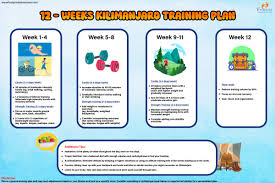
Kilimanjaro Training Plan Before Climb

Climbing Mount Kilimanjaro is a physically demanding adventure that requires preparation. While no technical climbing skills are needed, you must build endurance, strength, and mental resilience to handle long trekking days and high altitude. This guide provides a practical training plan before your Kilimanjaro climb, suitable for beginners and intermediate trekkers. Why Training for Kilimanjaro Matters Even though Kilimanjaro is a trekking peak, many climbers fail due to: Training helps you: How Long Should You Train? The longer you train, the better your body adapts. Key Areas to Focus On 1. Cardiovascular Endurance You’ll be hiking for 5–8 hours daily, so strong cardio is essential. Best activities: 2. Strength Training You need strong legs and core for steep terrain and long days. Focus on: Exercises: 3. Hiking Practice The best training is actual hiking. 4. Mental Preparation Kilimanjaro is as much mental as physical. 8-Week Kilimanjaro Training Plan Weeks 1–2 (Foundation Phase) Goal: Build basic fitness Weeks 3–4 (Build Phase) Goal: Improve endurance and strength Weeks 5–6 (Endurance Phase) Goal: Simulate trekking conditions Weeks 7–8 (Peak Phase) Goal: Prepare for summit effort Weekly Training Example Important Training Tips Altitude Preparation If possible: Even with training, altitude affects everyone differently. Common Mistakes to Avoid Final Thoughts A solid training plan greatly increases your chances of successfully climbing Mount Kilimanjaro. Focus on endurance, strength, and consistency rather than speed. With proper preparation, even beginners can confidently take on this incredible challenge and reach the summit.

Kilimanjaro Training Plan Before Climb Read Post »

game drive safari tanzania

How Much Is a Tanzania Safari Per Day?

A safari in Tanzania is one of the most unforgettable travel experiences in Africa—but the cost per day can vary widely depending on your travel style, accommodation, and level of luxury. Here’s a clear breakdown to help you plan your budget. Average Tanzania Safari Cost Per Day 1. Budget Safari ($150 – $300 per person/day) This option is ideal for travelers looking to experience wildlife without spending too much. What’s included: Best for: Students, backpackers, or low-budget travelers 2. Mid-Range Safari ($300 – $600 per person/day) A comfortable balance between affordability and experience. What’s included: Best for: Couples, families, and small groups 3. Luxury Safari ($600 – $1500+ per person/day) High-end safari with premium services and unforgettable comfort. What’s included: Best for: Honeymooners or travelers seeking exclusive experiences Park Fees (Important Cost Factor) National park fees significantly affect your daily safari cost. Some popular parks include: These fees are usually included in most safari packages. What Affects Safari Prices? 1. Accommodation typeCamping is cheaper, while luxury lodges increase costs. 2. Season 3. Group sizeSharing costs (vehicle and guide) reduces price per person. 4. Safari durationLonger safaris can slightly reduce the daily cost. Extra Costs to Consider Beyond daily safari rates, you may also need to budget for: Sample Daily Safari Budget Final Thoughts A Tanzania safari can cost anywhere from $150 to over $1500 per day depending on your travel style. Whether you choose a budget camping trip or a luxury lodge experience, destinations like the Serengeti National Park and Ngorongoro Crater offer world-class wildlife experiences that make every cost worthwhile.

How Much Is a Tanzania Safari Per Day? Read Post »

download (7)

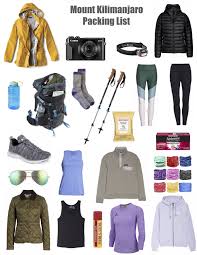
Kilimanjaro Packing List Checklist

Preparing for a climb on Mount Kilimanjaro requires careful planning—especially when it comes to packing. Temperatures range from hot and humid in the rainforest to well below freezing at the summit, so having the right gear is essential for safety and success. This complete checklist covers everything you need for a comfortable and successful trek. Essential Packing Categories To keep things organized, your packing list is divided into: Clothing Checklist (Layering System) Layering is crucial on Kilimanjaro. Base Layers (Moisture-Wicking) Mid Layers (Insulation) Outer Layers (Protection) Warm Clothing (Summit Night) Trekking Clothes Footwear Gear and Equipment Sleeping Essentials Health and Hygiene Food and Snacks Documents and Important Items Electronics Optional but Helpful Items What Not to Pack Pro Packing Tips Final Thoughts Packing correctly is one of the most important parts of preparing for a Kilimanjaro trek. With the right equipment, you will stay comfortable and focused as you climb Mount Kilimanjaro. Proper preparation increases your chances of reaching the summit and enjoying the entire experience.

Kilimanjaro Packing List Checklist Read Post »

Kilimanjaro Packing List Checklist

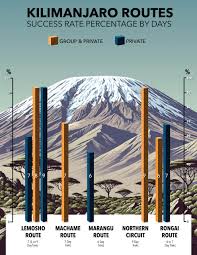
Kilimanjaro Route Success Rate Comparison

Reaching the summit of Mount Kilimanjaro depends heavily on one key factor: the route you choose. Different routes have very different success rates due to variations in acclimatization time, difficulty, and duration. In this guide, we break down the success rates of all major Kilimanjaro routes and explain why some routes perform better than others. Overall Kilimanjaro Success Rate 👉 This is why route selection is critical. Kilimanjaro Route Success Rates (Comparison Table) Route Duration Success Rate Northern Circuit 8–10 days 90–95% Lemosho Route 7–8 days 85–90% Machame Route 6–7 days 75–90% Rongai Route 6–7 days 70–85% Marangu Route 5–6 days 50–70% Umbwe Route 6–7 days 60–70% Route-by-Route Success Breakdown 1. Northern Circuit Route (Highest Success Rate) 👉 This route gives your body the most time to adjust, which greatly reduces altitude sickness. 2. Lemosho Route (Excellent Success Rate) 👉 One of the best routes for beginners aiming for high success. 3. Machame Route (High but Variable) 👉 Shorter itineraries reduce success significantly. 4. Rongai Route (Moderate Success) 👉 A quieter route, but slightly lower success compared to Lemosho. 5. Marangu Route (Lower Success Rate) 👉 Despite being popular, it has one of the lowest success rates. 6. Umbwe Route (Lowest Success Rate) 👉 Best suited for experienced climbers only. Why Some Routes Have Higher Success Rates 1. Duration Matters Most 2. Acclimatization Profile Routes that follow “climb high, sleep low” perform better. 3. Pace and Altitude Gain Key Insights from the Comparison How to Increase Your Summit Success No matter which route you choose: Final Thoughts Your chances of reaching the summit of Mount Kilimanjaro depend more on time and acclimatization than pure fitness. Routes like the Northern Circuit and Lemosho consistently deliver the highest success rates because they allow your body to adapt properly. If your goal is to stand on Uhuru Peak, choosing the right route is the smartest decision you can make.

Kilimanjaro Route Success Rate Comparison Read Post »

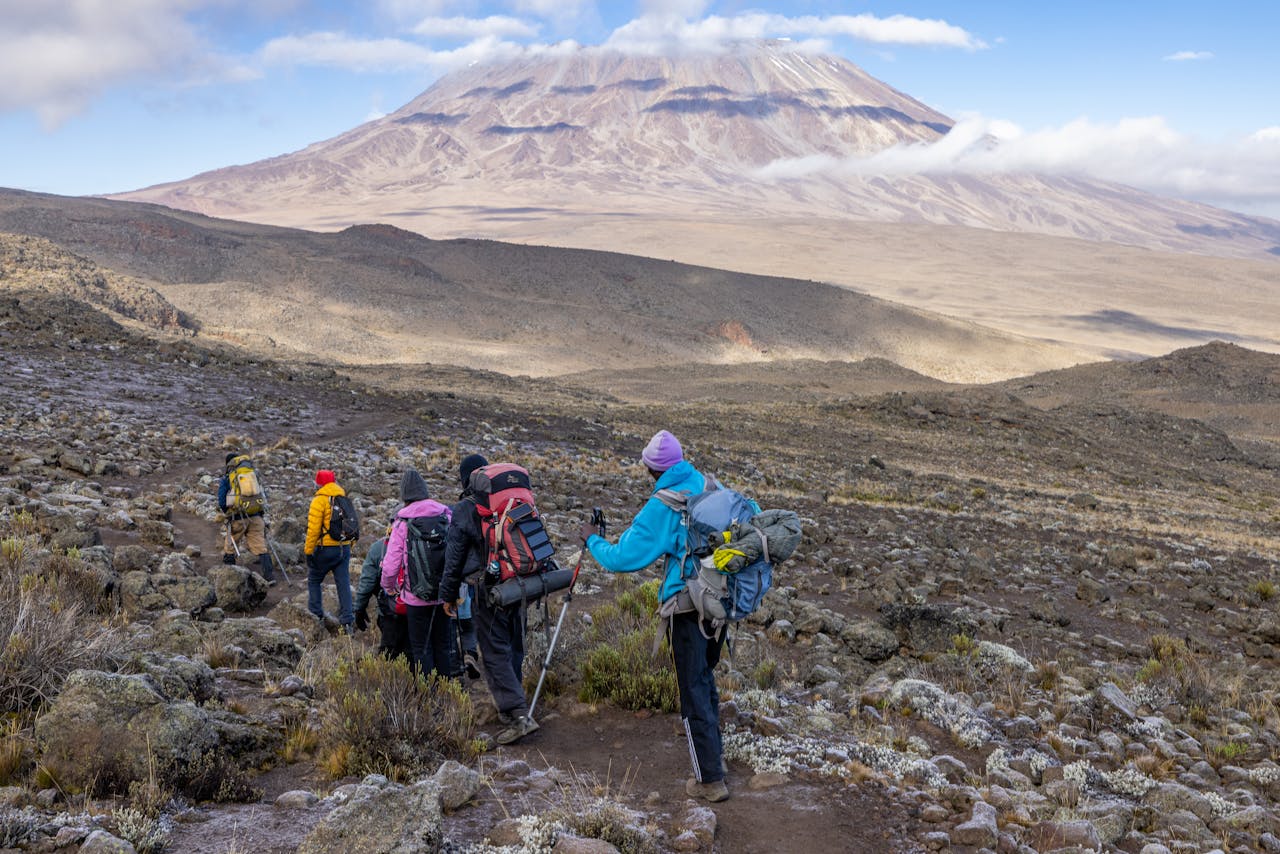
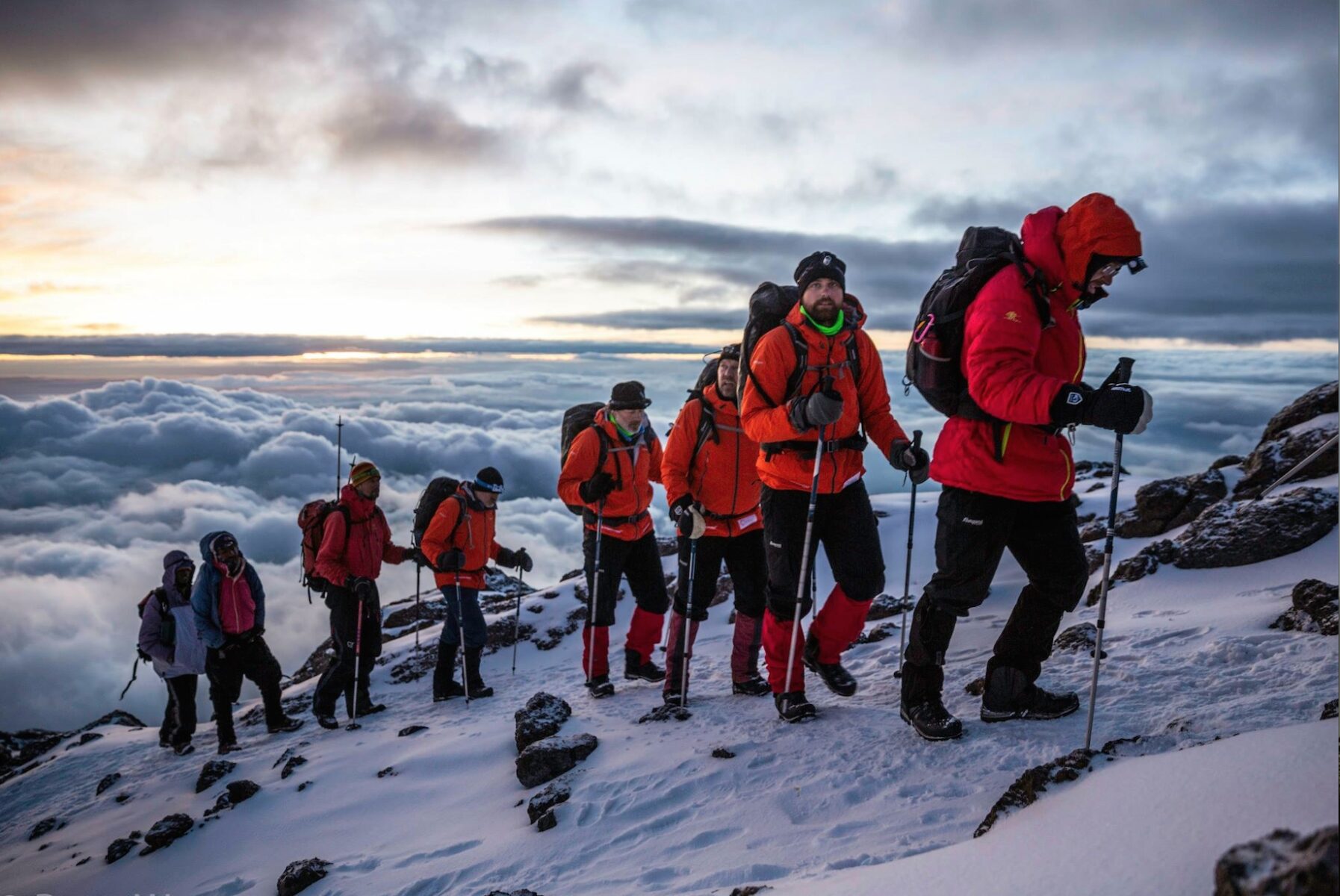
Hikers exploring the rugged trails of Mount Kilimanjaro, Tanzania, surrounded by stunning vistas.

Kilimanjaro 6 Days Marangu Route

The 6-day Marangu Route is one of the most popular ways to climb Mount Kilimanjaro in Tanzania. Known as the “Coca-Cola Route,” it is the only route that offers hut accommodation, making it ideal for trekkers who prefer more comfort during their climb. Why Choose the 6-Day Marangu Route? This itinerary is perfect for beginners and comfort seekers: Route Overview What Makes This Route Unique? Climbing Mount Kilimanjaro via Marangu offers: Suggested 6-Day Marangu Route Itinerary Day 1: Marangu Gate to Mandara Hut Day 2: Mandara Hut to Horombo Hut Day 3: Acclimatization Day at Horombo Hut Day 4: Horombo Hut to Kibo Hut Day 5: Summit Day (Uhuru Peak) Day 6: Horombo Hut to Marangu Gate Hut Accommodation Experience Along the route, you will stay in: Features include: Difficulty Level Best Time to Climb What to Pack Tips for Success Estimated Cost (Per Person) Includes huts, guides, porters, park fees, and meals. Final Thoughts The 6-day Marangu Route is a great option for climbers looking for comfort while trekking Mount Kilimanjaro. With hut accommodation and a dedicated acclimatization day, it offers a practical and enjoyable way to reach the summit in Tanzania.

Kilimanjaro 6 Days Marangu Route Read Post »

Hardest Kilimanjaro Routes Comparison

Northern Circuit Kilimanjaro Route Guide

The Northern Circuit Route is the longest and one of the most successful ways to climb Mount Kilimanjaro in Tanzania. Known for its low traffic, panoramic views, and excellent acclimatization profile, it is considered one of the best routes for reaching the summit. Why Choose the Northern Circuit Route? This route is ideal for trekkers seeking a quieter and more gradual climb: Route Overview What Makes Northern Circuit Unique? Climbing Mount Kilimanjaro via the Northern Circuit offers: Suggested 9-Day Northern Circuit Itinerary Day 1: Londorossi Gate to Mti Mkubwa Camp Day 2: Mti Mkubwa to Shira 1 Camp Day 3: Shira 1 to Shira 2 Camp Day 4: Shira 2 to Lava Tower to Moir Hut Day 5: Moir Hut to Buffalo Camp Day 6: Buffalo Camp to Third Cave Camp Day 7: Third Cave to School Hut Day 8: Summit Day (Uhuru Peak) Day 9: Mweka Camp to Mweka Gate Difficulty Level Best Time to Climb What to Pack Tips for Success Estimated Cost (Per Person) Includes guides, porters, camping gear, park fees, and meals. Pros and Cons Pros: Cons: Final Thoughts The Northern Circuit Route is one of the best ways to experience Mount Kilimanjaro. With its gradual ascent, remote trails, and incredible scenery, it offers a premium trekking experience in Tanzania for those seeking both success and adventure.

Northern Circuit Kilimanjaro Route Guide Read Post »

honeymoon safari tanzania

Luxury Safari and Kilimanjaro Cost Guide

Planning a premium adventure in Tanzania that combines a luxury safari with climbing Mount Kilimanjaro is an unforgettable experience. However, this level of travel comes with a higher price tag due to exclusive services, comfort, and personalized experiences. This guide breaks down the real costs so you can plan wisely. What is a Luxury Safari and Kilimanjaro Experience? A luxury safari and Kilimanjaro package typically includes: This is very different from budget travel—everything is designed for comfort, safety, and exclusivity. Luxury Kilimanjaro Climbing Cost Climbing Mount Kilimanjaro in luxury style usually involves better equipment, more support staff, and upgraded services. Average Cost (Per Person) What Affects the Price? Luxury Features Include: Luxury Safari Cost in Tanzania A luxury safari in top parks like Serengeti National Park and Ngorongoro Crater offers unmatched wildlife experiences with maximum comfort. Average Cost (Per Person Per Day) What Influences Safari Prices? Luxury Safari Includes: Combined Luxury Package Cost Most travelers combine both experiences into one itinerary. 7–12 Day Luxury Trip Estimate: Example Breakdown: Additional Costs to Consider Even luxury packages may exclude: Is It Worth the Cost? If you value comfort, safety, and a once-in-a-lifetime experience, a luxury safari and Kilimanjaro climb is worth every dollar. You get: Tips to Save on Luxury Travel Final Thoughts A luxury safari and Mount Kilimanjaro climb in Tanzania is not cheap—but it delivers an unmatched blend of adventure and comfort. Whether you’re watching wildlife in Serengeti National Park or standing on Africa’s highest peak, the experience is truly priceless.

Luxury Safari and Kilimanjaro Cost Guide Read Post »

group camping safari tanzania

Budget Kilimanjaro Trekking Packages

Climbing Mount Kilimanjaro doesn’t have to drain your bank account. With the right planning and package choice, you can experience this iconic adventure at a reasonable cost while still enjoying safety, support, and unforgettable views. This guide breaks down everything you need to know about budget Kilimanjaro trekking packages. What Is a Budget Kilimanjaro Package? A budget Kilimanjaro trekking package is a lower-cost climbing option that still meets essential safety and park regulations. These packages typically include: They are ideal for travelers who want to climb Mount Kilimanjaro without luxury extras. Average Cost of Budget Packages Budget packages usually range between $1,500 to $2,500 USD per person, depending on: Shorter routes tend to be cheaper, but they may reduce your chances of successful summit due to less acclimatization. Best Budget Routes on Kilimanjaro Choosing the right route is key to balancing cost and success rate. 1. Marangu Route (Cheapest Option) 2. Machame Route (Best Value) 3. Rongai Route (Budget + Less Crowded) What’s Included vs Excluded Included: Not Included: How to Save Money on Your Trek 1. Join a Group Group climbs significantly reduce costs compared to private treks. 2. Travel in Low Season March–May and November are cheaper, though weather can be less predictable. 3. Rent Gear Locally Instead of buying expensive gear, rent in Arusha. 4. Compare Local Operators Local Tanzanian companies often offer better prices than international agencies. Safety Considerations Going budget doesn’t mean cutting corners on safety. Make sure your operator: Sample Budget Itinerary (Machame Route – 6 Days)

Budget Kilimanjaro Trekking Packages Read Post »

Scroll to Top
0

Subtotal