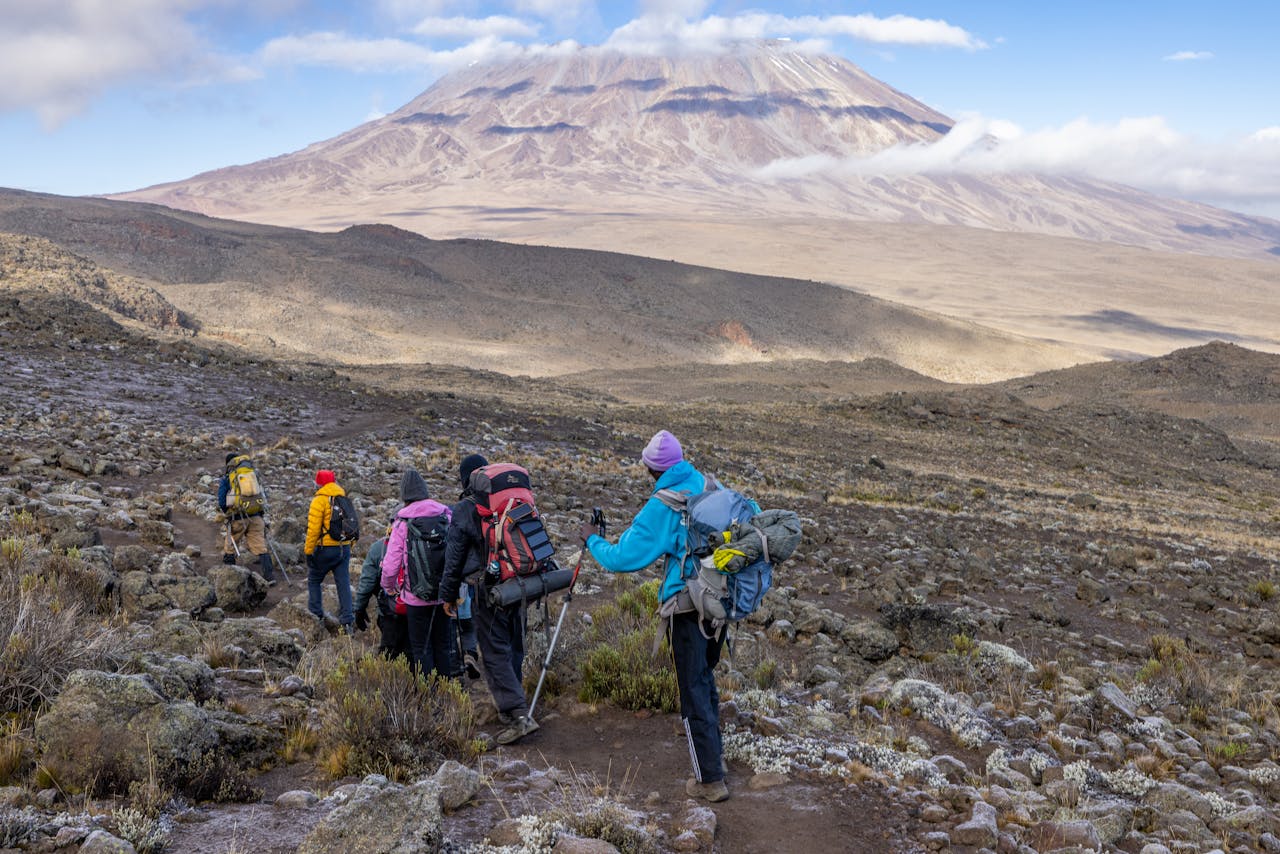
Climbing Mount Kilimanjaro is a once-in-a-lifetime adventure—but altitude sickness is the biggest challenge most climbers face. Because the mountain rises to 5,895 meters (19,341 ft), your body must adapt to low oxygen levels as you ascend. This guide explains how to prevent altitude sickness and increase your chances of reaching the summit safely. What is Altitude Sickness? Altitude sickness, also called Acute Mountain Sickness (AMS), happens when your body struggles to adjust to high elevations. It can start as low as 2,500 meters. Common Symptoms If ignored, it can develop into more serious conditions, which is why prevention is critical. 1. Choose the Right Route Not all Kilimanjaro routes are equal when it comes to acclimatization. Best routes for avoiding altitude sickness: Short routes like Marangu (5–6 days) have lower success rates because they give your body less time to adapt. 2. Go Slowly (Pole Pole) “Pole pole” (slowly, slowly) is the golden rule on Kilimanjaro. Climbing too fast is the main cause of altitude sickness. 3. Follow the “Climb High, Sleep Low” Rule Good itineraries include hikes to higher elevations during the day, then descending slightly to sleep. This method helps your body: It’s one of the most effective acclimatization techniques. 4. Stay Hydrated Drink plenty of water throughout your climb. Proper hydration helps your body cope with altitude stress. 5. Eat Well Even if your appetite drops, eating is essential. Focus on: Food provides the energy your body needs to adapt. 6. Consider Medication Some climbers use medication like Acetazolamide (Diamox) to prevent AMS. Never rely on medication alone—combine it with proper acclimatization. 7. Listen to Your Body Don’t ignore symptoms. Your safety is more important than reaching the summit. 8. Train Before Your Climb Good physical fitness helps your body handle stress better. Recommended preparation: While fitness doesn’t prevent altitude sickness, it improves endurance and recovery. 9. Get Enough Sleep Sleep is essential for recovery at altitude. Fatigue can make altitude symptoms worse. 10. Choose an Experienced Guide Company Professional guides: They are trained to handle altitude-related emergencies and ensure your safety. Final Thoughts Avoiding altitude sickness on Mount Kilimanjaro is all about preparation, patience, and awareness. Key Takeaways: With the right approach, you can safely enjoy the journey and increase your chances of standing on the Roof of Africa.