KILIMANJARO TREKKING SAFARI COMBO TOUR – COMPLETE GUIDE
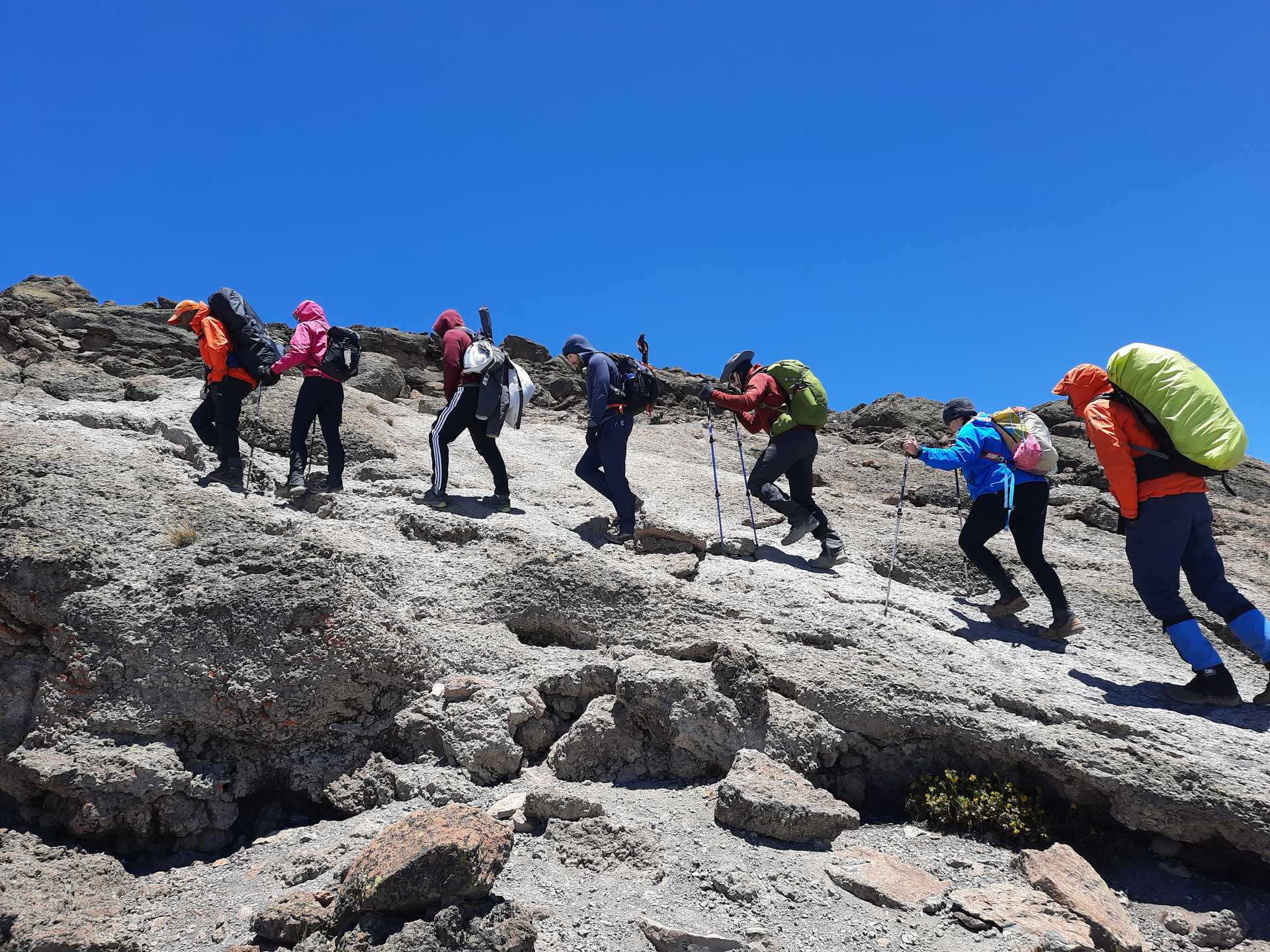
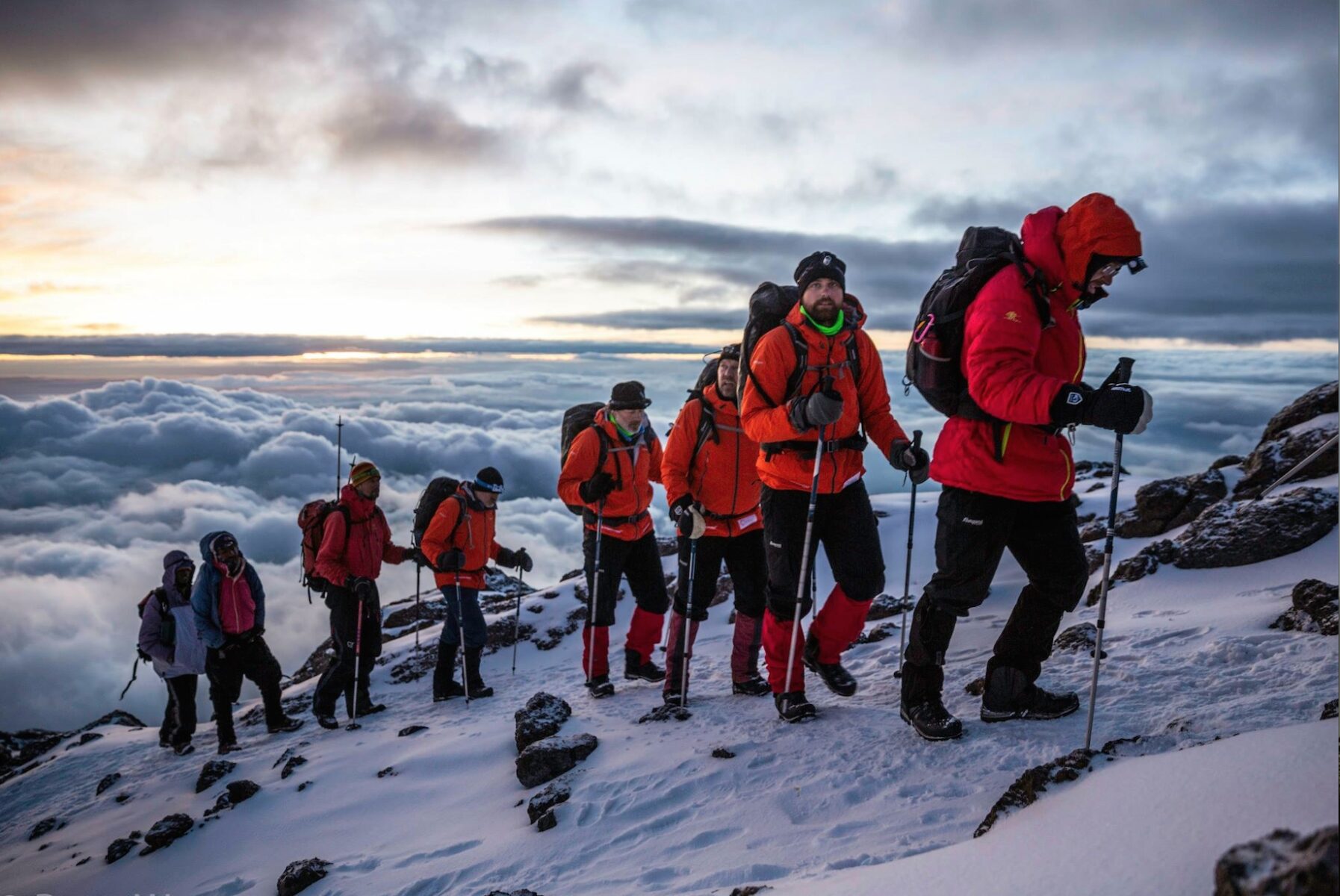
Understanding oxygen levels and altitude is essential when climbing Mount Kilimanjaro. As you ascend in Tanzania, the air becomes thinner, making it harder for your body to function normally. Knowing these facts will help you prepare and increase your chances of reaching the summit safely. How Altitude Affects Oxygen At higher elevations, the amount of oxygen in the air decreases. This means: At the summit of Kilimanjaro (5,895m), oxygen levels are about 50% of what they are at sea level. Oxygen Levels by Altitude Here’s how oxygen changes as you climb Mount Kilimanjaro: This gradual decrease is why acclimatization is so important. Altitude Zones on Kilimanjaro During your climb, you pass through several altitude zones: Each zone presents different challenges to your body. Common Effects of High Altitude Many climbers experience mild symptoms such as: These are normal but should be monitored carefully. What is Altitude Sickness? Altitude sickness occurs when your body struggles to adapt to reduced oxygen levels. Types include: Listening to your guide is critical. Tips to Handle Low Oxygen Walk Slowly (“Pole Pole”) Stay Hydrated Eat Properly Acclimatize Well Do You Need Oxygen Tanks? Best Preparation Before Climb Best Routes for Acclimatization Final Thoughts Understanding oxygen and altitude is key to successfully climbing Mount Kilimanjaro. With proper pacing, hydration, and acclimatization, most climbers can safely adapt and enjoy the journey to the summit in Tanzania.
KILIMANJARO TREKKING SAFARI COMBO TOUR – COMPLETE GUIDE Read Post »