Kilimanjaro Summit Experience Blog

family safari and kilimanjaro package

Planning a trip that combines a wildlife safari with a mountain adventure is one of the most rewarding ways to experience Tanzania. This family-friendly package blends the thrill of iconic national parks with the achievement of reaching the roof of Africa—Mount Kilimanjaro—in a safe and flexible way. Why Choose a Combined Family Package? A safari + Kilimanjaro itinerary gives your family: It’s ideal for families with older children (typically age 10+ for safari and 12–15+ for trekking, depending on fitness). Safari Experience (3–5 Days) Explore Tanzania’s legendary parks: What Families Enjoy: Kilimanjaro Trek (5–9 Days) Climbing Mount Kilimanjaro is a life-changing experience. For families, choosing the right route is key. Best Family-Friendly Routes: Family Tips: Suggested 10–12 Day Itinerary Day 1–2: Arrival in Arusha (rest + briefing)Day 3–5: Safari in Tarangire + NgorongoroDay 6–7: Fly/drive to Serengeti (optional extension)Day 8: Return to Arusha & prepare for trekDay 9–15: Kilimanjaro climbFinal Day: Departure or beach extension in Zanzibar Is It Safe for Families? Yes—if properly planned: Estimated Cost (Per Person) Prices vary based on luxury level and group size: Includes: Best Time to Travel What to Pack Final Thoughts A family safari combined with a Kilimanjaro climb offers the perfect mix of adventure, education, and unforgettable memories. Whether watching lions roam the plains of Serengeti National Park or standing together on the slopes of Mount Kilimanjaro, this journey creates lifelong stories for every member of the family.

family safari and kilimanjaro package Read Post »
Tanzania Safari and Zanzibar Itinerary

A Tanzania safari combined with a Zanzibar beach escape is one of the most rewarding travel experiences in Tanzania. This itinerary blends wildlife adventure with tropical relaxation, creating a well-balanced and unforgettable journey. Why Choose This Itinerary? This combination offers the best of both worlds: Safari Experience (3–6 Days) Start your journey with a safari in Tanzania’s top national parks: What to Expect: Zanzibar Beach Experience (3–5 Days) After your safari, travel to Zanzibar for a relaxing beach holiday. Highlights: Suggested 8–12 Day Itinerary Day 1: Arrival in ArushaDay 2–4: Safari in Tarangire and NgorongoroDay 5–6: Optional Serengeti extensionDay 7: Flight to ZanzibarDay 8–11: Beach stay and activitiesFinal Day: Departure Best Time to Travel What to Pack Estimated Cost (Per Person) Includes accommodation, park fees, transport, guides, and most meals. Final Thoughts A Tanzania safari and Zanzibar itinerary offers a complete travel experience—from the wildlife-rich plains of Serengeti National Park to the relaxing beaches of Zanzibar. It’s the perfect combination of adventure and relaxation, ideal for couples, families, or first-time visitors.

Tanzania Safari and Zanzibar Itinerary Read Post »

Marangu vs Machame vs Lemosho Routes (Kilimanjaro Guide)

Marangu vs Machame vs Lemosho Routes (Kilimanjaro Guide)

Climbing Mount Kilimanjaro is a once-in-a-lifetime experience, but success depends heavily on how well you prepare—especially when it comes to packing. The mountain’s unique environment takes you through rainforest, moorland, alpine desert, and icy summit conditions, all in just a few days. That means your packing list must cover heat, cold, rain, and wind. Understanding Kilimanjaro’s Climate Before packing, it’s important to know what you’re facing. At the base, temperatures can be warm and humid, while at the summit (Uhuru Peak), temperatures can drop below freezing. Because of this, layering your clothing and choosing versatile gear is essential. Clothing Essentials Clothing is the most important part of your packing list. Layering System: Other Clothing Items: Footwear for the Trek Your boots can determine how comfortable your trek will be. Sleeping Gear Even though most trekking companies provide tents, you’ll need: Backpack and Storage Health, Hygiene, and Personal Care Maintaining hygiene and health on the mountain is crucial. Food and Hydration Although meals are provided, extra energy helps. Trekking Equipment These items improve safety and ease during the climb: Electronics and Important Items Optional Items Final Thoughts Packing for Kilimanjaro is about preparation, not overpacking. Whether you choose the scenic Lemosho Route or the popular Machame Route, your gear needs remain mostly the same. The right packing list will keep you comfortable, safe, and focused on reaching the summit. With proper preparation, your journey up Kilimanjaro will be an unforgettable adventure filled with incredible views and personal achievement.

Marangu vs Machame vs Lemosho Routes (Kilimanjaro Guide) Read Post »

Kilimanjaro Climbing in Tanzania, Africa

Kilimanjaro Routes Comparison Guide

Climbing Mount Kilimanjaro is a once-in-a-lifetime adventure—but choosing the right route can make or break your experience. Each route differs in scenery, difficulty, duration, crowd levels, and success rates. This guide compares the most popular Kilimanjaro routes to help you choose the best one for your goals. Overview of Kilimanjaro Routes There are 7 main routes to reach the summit: Quick Comparison Table Route Difficulty Duration Success Rate Scenery Crowd Level Machame Moderate 6–7 days High Excellent Busy Marangu Easy–Moderate 5–6 days Medium Good Very Busy Lemosho Moderate 7–8 days Very High Outstanding Moderate Rongai Moderate 6–7 days High Good Quiet Northern Circuit Moderate 8–9 days Very High Exceptional Very Quiet Umbwe Very Difficult 5–6 days Low Good Very Quiet Shira Moderate 6–7 days High Excellent Moderate Detailed Route Comparison 1. Machame Route (Most Popular ) Best for: First-time climbers with good fitness 2. Marangu Route (Easiest & Oldest) Best for: Beginners who prefer comfort over scenery 3. Lemosho Route (Best for Success Rate ) Best for: High summit success and scenic experience 4. Rongai Route (Dry & Quiet ) Best for: Climbers seeking solitude 5. Northern Circuit Route (Longest & Quietest ) Best for: Maximum success and least crowds 6. Umbwe Route (Most Challenging ) 7. Shira Route Best for: Experienced hikers comfortable with altitude How to Choose the Best Route Choose Machame or Lemosho if: Choose Northern Circuit if: Choose Marangu if: Choose Rongai if: Choose Umbwe if: Best Time to Climb The best months to climb Mount Kilimanjaro are: Final Thoughts There is no single “best” route—only the best route for you. If success rate, scenery, and comfort matter most, routes like Lemosho and Northern Circuit stand out. If you want a classic experience, Machame remains a top choice. Choosing wisely will greatly improve your chances of standing on Uhuru Peak, the highest point in Africa.

Kilimanjaro Routes Comparison Guide Read Post »

Marangu vs Machame vs Lemosho Routes (Kilimanjaro Guide)

What to Pack for a Kilimanjaro Trek

Climbing Mount Kilimanjaro is a once-in-a-lifetime experience, but success depends heavily on how well you prepare—especially when it comes to packing. The mountain’s unique environment takes you through rainforest, moorland, alpine desert, and icy summit conditions, all in just a few days. That means your packing list must cover heat, cold, rain, and wind. Understanding Kilimanjaro’s Climate Before packing, it’s important to know what you’re facing. At the base, temperatures can be warm and humid, while at the summit (Uhuru Peak), temperatures can drop below freezing. Because of this, layering your clothing and choosing versatile gear is essential. Clothing Essentials Clothing is the most important part of your packing list. Layering System: Other Clothing Items: Footwear for the Trek Your boots can determine how comfortable your trek will be. Sleeping Gear Even though most trekking companies provide tents, you’ll need: Backpack and Storage Health, Hygiene, and Personal Care Maintaining hygiene and health on the mountain is crucial. Food and Hydration Although meals are provided, extra energy helps. Trekking Equipment These items improve safety and ease during the climb: Electronics and Important Items Optional Items Final Thoughts Packing for Kilimanjaro is about preparation, not overpacking. Whether you choose the scenic Lemosho Route or the popular Machame Route, your gear needs remain mostly the same. The right packing list will keep you comfortable, safe, and focused on reaching the summit. With proper preparation, your journey up Kilimanjaro will be an unforgettable adventure filled with incredible views and personal achievement.

What to Pack for a Kilimanjaro Trek Read Post »

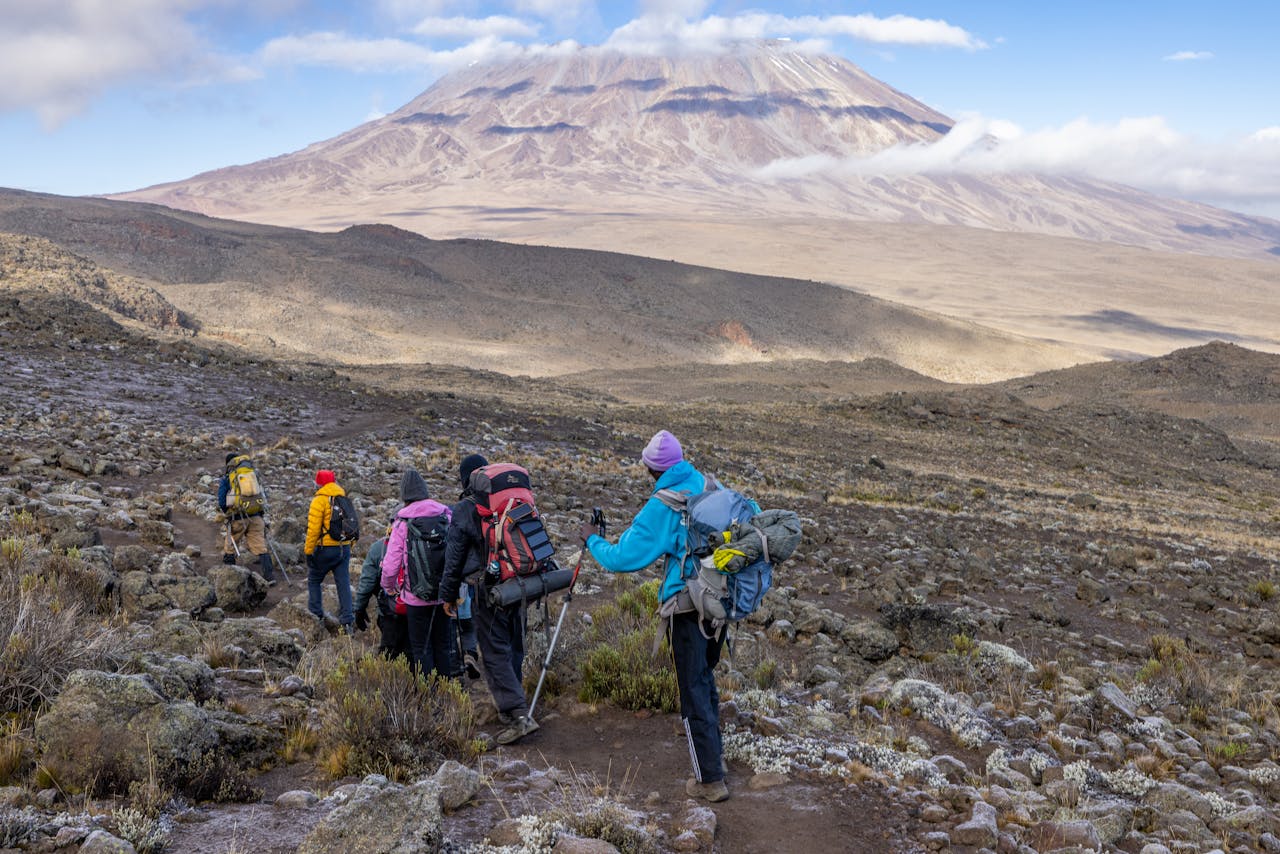
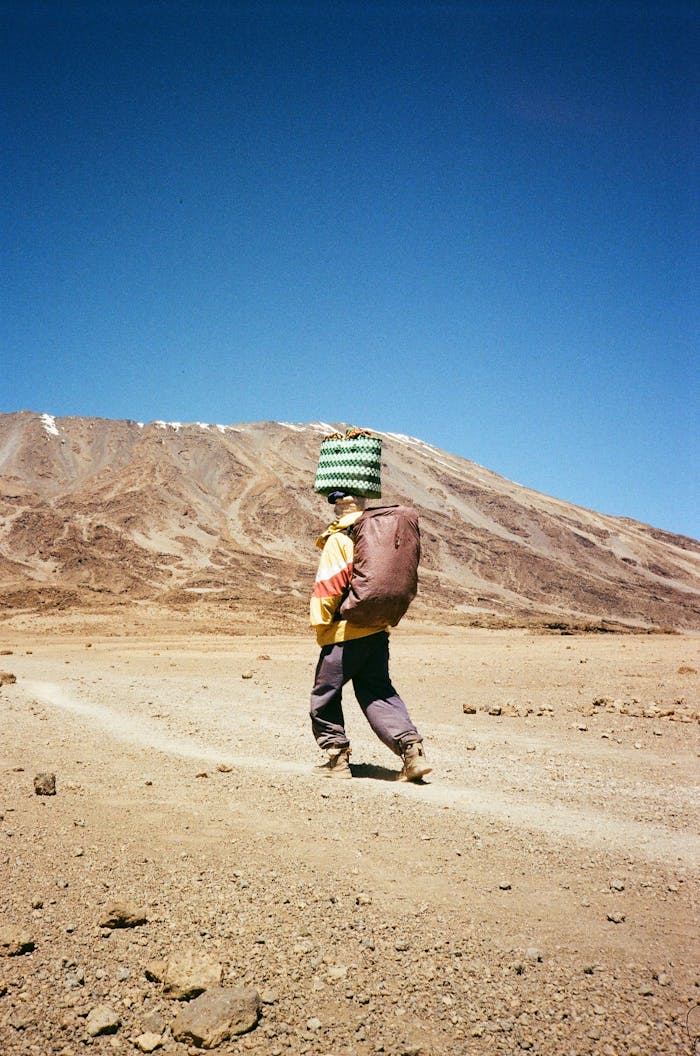
Hikers exploring the rugged trails of Mount Kilimanjaro, Tanzania, surrounded by stunning vistas.

How hard is kilimanjaro climb

Climbing Mount Kilimanjaro is challenging—but not in the way many people expect. You don’t need ropes or technical climbing skills, yet reaching the summit is still a serious physical and mental test. Is Kilimanjaro Hard to Climb? The short answer: Yes—but it’s achievable for most people with proper preparation. Unlike mountains such as Mount Everest, Kilimanjaro is a non-technical trek. That means: However, the real difficulty comes from altitude, endurance, and conditions—not technical skill. The Biggest Challenge: Altitude The main reason people struggle on Kilimanjaro is altitude sickness. As you climb, your body gets less oxygen, which can cause: This is why even very fit people sometimes fail to reach the summit. Physical Difficulty Climbing Kilimanjaro is more like a multi-day endurance hike than a climb. What to Expect: You don’t need to be an athlete—but you do need: Mental Challenge Many climbers say the hardest part is mental. Reaching the top often comes down to determination more than strength. Route Choice Matters Not all routes are equally difficult. Some give you more time to adjust to altitude. Success Rate This shows that Kilimanjaro is tough—but very doable with the right plan. Who Can Climb Kilimanjaro? Most healthy people can climb Kilimanjaro if they: People of all ages—from teenagers to seniors—successfully reach the summit every year. How to Make It Easier You can significantly increase your chances by: 1. Taking a Longer Route More days = better acclimatization 2. Training Before the Trip Focus on: 3. Going “Pole Pole” Climbing slowly helps your body adjust 4. Staying Hydrated Drink 3–4 liters of water daily 5. Choosing a Good Operator Experienced guides can make a huge difference Final Verdict Climbing Kilimanjaro is hard—but not extreme. With proper preparation, patience, and determination, reaching the summit of Mount Kilimanjaro is an achievable goal for many people.

How hard is kilimanjaro climb Read Post »

Kilimanjaro Wildlife Experience

Best Time To climb Mount kilimanjaro

Serengeti National Park depends on what kind of safari experience you want—especially whether you’re chasing the famous Great Migration or looking for quieter wildlife viewing. 🌿 Dry Season (June – October) — Peak Safari Time Best overall for wildlife viewing Downside: 🌧️ Wet Season (November – May) — Lush & Dramatic Split into two parts: 🌦️ Short Rains (Nov – Dec) 🌱 Long Rains (March – May) 🐃 Great Migration Highlights The migration moves in a cycle through the Serengeti ecosystem: ⭐ Quick Recommendation

Best Time To climb Mount kilimanjaro Read Post »

KILIMANJARO CLIMB AND SERENGETI SAFARI GUIDE: COMPLETE TANZANIA ADVENTURE

Marangu vs Machame vs Lemosho Routes (Kilimanjaro Guide)

Choosing the right route is one of the most important decisions when planning your climb up Mount Kilimanjaro. The Marangu, Machame, and Lemosho routes each offer very different experiences in terms of scenery, difficulty, cost, and success rates. 1. Marangu Route (“Coca-Cola Route”) Overview The Marangu Route is the oldest and most established path on Kilimanjaro. It’s often considered the easiest—but that doesn’t necessarily mean the most successful. Key Features Duration Difficulty Success Rate Pros Cons 2. Machame Route (“Whiskey Route”) Overview The Machame Route is the most popular route and offers a great balance of scenery and acclimatization. Key Features Duration Difficulty Success Rate Pros Cons 3. Lemosho Route (Premium Scenic Route) Overview The Lemosho Route is widely considered the best overall route for beauty and success rate. Key Features Duration Difficulty Success Rate Pros Cons Quick Comparison Table Feature Marangu Route Machame Route Lemosho Route Duration 5–6 days 6–7 days 7–8 days Accommodation Huts Camping Camping Difficulty Moderate Moderate–Hard Moderate Scenery Moderate Excellent Outstanding Success Rate Lower High Very High Crowd Level High High Medium Cost Lower Medium Higher Which Route Should You Choose? Final Verdict If your priority is comfort, go with Marangu.If you want a classic Kilimanjaro experience, Machame is ideal.If you want the highest success rate and best scenery, Lemosho is the top choice.

Marangu vs Machame vs Lemosho Routes (Kilimanjaro Guide) Read Post »

Kilimanjaro Summit Experience Blog

Ngorongoro Crater Safari Tips

The Serengeti National Park is one of the most famous wildlife destinations in the world, offering year-round safari experiences. However, the best time to visit depends on what you want to see—especially the iconic Great Migration. 1. Peak Season (June – October) – Best for Wildlife Viewing This is the dry season and widely considered the best time for a Serengeti safari. During this period, wildlife is highly concentrated, and the weather is sunny and dry—perfect for game drives. 2. Migration Calving Season (January – March) This is one of the most unique times to visit the Serengeti. The landscape is also lush and green after the short rains. 3. Green Season (April – May) – Low Season These are the long rainy months in the Serengeti. While wildlife is more dispersed, the park is less crowded and very scenic. 4. Shoulder Season (November – December) This is a transition period with short rains. 5. Month-by-Month Migration Guide The Great Migration moves throughout the Serengeti ecosystem: Timing your visit depends on which stage you want to witness. Final Tips Conclusion There is no single “bad” time to visit the Serengeti—it offers incredible experiences year-round. The best time depends on your goals, whether it’s witnessing the Great Migration, enjoying fewer crowds, or traveling on a budget.

Ngorongoro Crater Safari Tips Read Post »

Scroll to Top
0

Subtotal