
Climbing Mount Kilimanjaro is a once-in-a-lifetime experience, but success depends heavily on how well you prepare—especially when it comes to packing. The mountain’s unique environment takes you through rainforest, moorland, alpine desert, and icy summit conditions, all in just a few days. That means your packing list must cover heat, cold, rain, and wind.
Understanding Kilimanjaro’s Climate
Before packing, it’s important to know what you’re facing. At the base, temperatures can be warm and humid, while at the summit (Uhuru Peak), temperatures can drop below freezing. Because of this, layering your clothing and choosing versatile gear is essential.
Clothing Essentials
Clothing is the most important part of your packing list.
Layering System:
- Base Layer: Moisture-wicking clothes to keep sweat away
- Mid Layer: Fleece or insulated jackets for warmth
- Outer Layer: Waterproof and windproof jacket and pants
Other Clothing Items:
- Hiking shirts and trousers
- Thermal underwear
- Warm hat and gloves
- Sun hat or cap
- Several pairs of thick hiking socks
- Neck gaiter or scarf
Footwear for the Trek
Your boots can determine how comfortable your trek will be.
- Durable, waterproof hiking boots (already broken in)
- Camp shoes or sandals for resting
- Gaiters to protect against mud and dust
Sleeping Gear
Even though most trekking companies provide tents, you’ll need:
- A high-quality sleeping bag (rated for -10°C or lower)
- Optional sleeping pad for extra comfort
Backpack and Storage
- Daypack (for water, snacks, camera, and essentials)
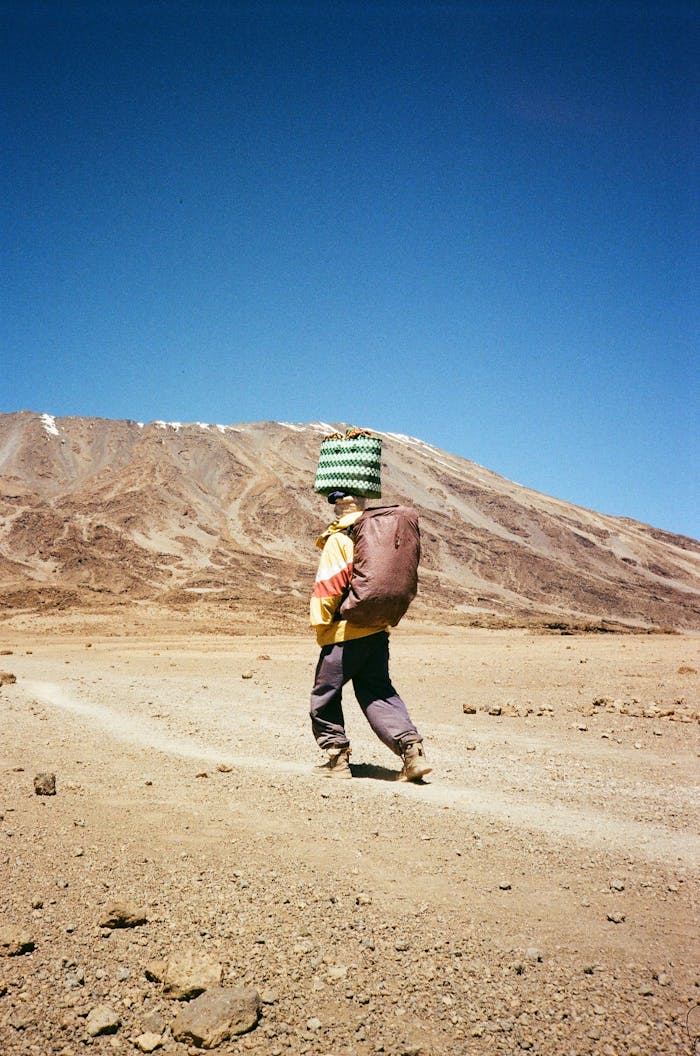
- Duffel bag (carried by porters)
- Waterproof covers to protect your gear
Health, Hygiene, and Personal Care
Maintaining hygiene and health on the mountain is crucial.
- Sunscreen and lip balm
- Wet wipes and hand sanitizer
- Toothbrush and small toiletries
- Personal medication
- Basic first aid kit
Food and Hydration
Although meals are provided, extra energy helps.
- Reusable water bottles or hydration bladder (2–3 liters)
- Energy snacks (chocolate, nuts, protein bars)
- Electrolyte supplements
Trekking Equipment
These items improve safety and ease during the climb:
- Trekking poles (help reduce fatigue)
- Headlamp with spare batteries
- Sunglasses with UV protection
- Lightweight towel
Electronics and Important Items
- Power bank or solar charger
- Camera or smartphone
- Passport and travel documents
- Cash for tips
Optional Items
- Notebook or journal
- Earplugs for better sleep
- Books or music
Final Thoughts
Packing for Kilimanjaro is about preparation, not overpacking. Whether you choose the scenic Lemosho Route or the popular Machame Route, your gear needs remain mostly the same.
The right packing list will keep you comfortable, safe, and focused on reaching the summit. With proper preparation, your journey up Kilimanjaro will be an unforgettable adventure filled with incredible views and personal achievement.

