

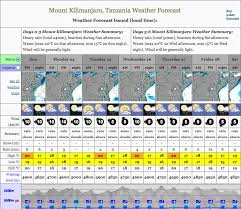
Understanding the weather on Mount Kilimanjaro is essential for a successful and comfortable climb. Unlike typical mountains, Kilimanjaro has multiple climate zones, meaning you will experience different weather conditions as you ascend.
This guide explains everything you need to know about Kilimanjaro weather, from temperatures and seasons to what to expect during your trek.
Overview of Kilimanjaro Weather
Kilimanjaro’s weather is influenced by altitude rather than just seasons. As you climb, the climate changes dramatically through five main zones:
- Rainforest Zone
- Moorland Zone
- Alpine Desert Zone
- Arctic Summit Zone
Each zone has unique weather conditions.
Temperature on Kilimanjaro
Temperatures vary greatly depending on altitude:
- Base (Rainforest Zone): 20°C to 30°C
- Mid-altitude (Moorland): 10°C to 20°C
- High altitude (Alpine Desert): 0°C to 10°C
- Summit (Uhuru Peak): -10°C to -20°C (or colder with wind chill)
The biggest challenge is the rapid temperature drop as you climb higher.
Kilimanjaro Climate Zones Explained
1. Rainforest Zone (Warm and Wet)
- Heavy rainfall
- High humidity
- Dense vegetation
This is the wettest part of the mountain and often muddy.
2. Moorland Zone (Cool and Open)
- Cooler temperatures
- Less rain
- Open landscapes with shrubs
Weather becomes more stable here.
3. Alpine Desert Zone (Dry and Extreme)
- Very little rainfall
- Hot during the day, cold at night
- Strong sun exposure
This zone has extreme temperature differences.
4. Arctic Zone (Freezing Summit)
- Snow and ice
- Freezing temperatures
- Strong winds
This is the harshest environment on Kilimanjaro.
Rainy and Dry Seasons
Kilimanjaro has two main rainy seasons and two dry seasons:
Rainy Seasons
- March to May (long rains)
- November (short rains)
Conditions:
- Frequent rain
- Slippery trails
- Cloudy views
Dry Seasons (Best Time to Climb)
- January to March
- June to October
Conditions:
- Clear skies
- Better visibility
- More stable weather
These are the most popular times for trekking.
Summit Night Weather
Summit night is the most challenging part in terms of weather:
- Temperatures drop below freezing
- Strong winds are common
- Oxygen levels are low
You start climbing at midnight in extreme cold and reach the summit at sunrise.
Weather Challenges on Kilimanjaro
Climbers should be prepared for:
- Sudden weather changes
- Cold temperatures at high altitude
- Rain and mud in lower zones
- Strong UV radiation
Weather can change quickly, even within a single day.
What to Wear for Kilimanjaro Weather
Layering is the key to staying comfortable:
- Base layer (moisture-wicking)
- Insulating layer (fleece or down)
- Outer layer (waterproof and windproof)
Additional essentials:
- Warm hat and gloves
- Sunglasses (UV protection)
- Waterproof boots
Tips for Dealing with Kilimanjaro Weather
- Always dress in layers
- Keep rain gear easily accessible
- Stay hydrated in all conditions
- Protect yourself from the sun at high altitude
- Listen to your guide’s advice
Best Time to Climb Kilimanjaro
The best weather conditions are typically during:
- January to March (less crowded, colder)
- June to October (warmer, more popular)
Avoid peak rainy months unless you are experienced.
Why Weather Matters
Weather plays a major role in:
- Your comfort
- Your safety
- Your chances of reaching the summit
Being prepared for all conditions increases your success rate.
Final Thoughts
The weather on Mount Kilimanjaro is as diverse as the mountain itself. From warm rainforest humidity to freezing summit winds, you will experience multiple climates in just a few days.
With proper preparation, the right gear, and a flexible mindset, you can handle these changing conditions and fully enjoy the adventure.

