
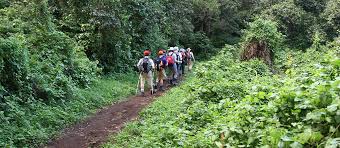
Trekking through the rainforest zone is the first and one of the most fascinating stages of climbing Mount Kilimanjaro. This lush, green environment is full of life, offering a sharp contrast to the dry and icy landscapes found higher up the mountain.
For many climbers, the rainforest zone is where the adventure truly begins.
Overview of the Rainforest Zone
The rainforest zone is the lowest ecological zone on Kilimanjaro, typically found between:
- 1,800 meters and 3,000 meters above sea level
This area receives the highest rainfall on the mountain, creating a dense tropical forest ecosystem rich in plant and animal life.
What Makes the Rainforest Zone Unique?
1. Lush Green Vegetation
The forest is dense and vibrant, featuring:
- Tall tropical trees
- Moss-covered branches
- Hanging vines and ferns
- Thick undergrowth
The trail often feels like a tunnel of greenery, providing shade and a cool atmosphere despite the humidity.
2. Rich Wildlife
This is the best zone on Kilimanjaro for wildlife viewing.
You may encounter:
- Blue monkeys
- Colobus monkeys
- Small forest animals
- Various bird species
The sounds of birds and insects create a lively natural environment.
3. Warm and Humid Climate
Unlike the cold summit, the rainforest zone is:
- Warm during the day
- Very humid
- Frequently wet due to rain or mist
Rain can fall at any time, even in the dry season.
4. Gentle Trekking Terrain
The trails in this zone are generally:
- Gradual and easy to follow
- Less steep than higher sections
- Suitable for beginners
This makes it a comfortable introduction to the climb.
Routes That Pass Through the Rainforest
Most Kilimanjaro routes begin in this zone, including:
- Lemosho Route
- Machame Route
- Marangu Route
- Rongai Route (shorter forest section)
Each route offers a slightly different rainforest experience.
Challenges in the Rainforest Zone
Despite being the easiest section in terms of altitude, there are some challenges:
- Muddy and slippery trails
- High humidity causing sweating and fatigue
- Sudden rainfall
- Occasional insects
Being prepared will help you stay comfortable.
What to Wear
To stay dry and comfortable, wear:
- Lightweight, breathable clothing
- Waterproof jacket or poncho
- Quick-dry hiking pants
- Waterproof hiking boots
Avoid cotton, as it absorbs moisture and dries slowly.
Essential Gear
- Backpack rain cover
- Trekking poles (helpful on muddy paths)
- Extra socks
- Insect repellent
- Dry bags or plastic liners
Tips for Trekking the Rainforest Zone
- Walk carefully to avoid slipping
- Keep your gear dry at all times
- Stay hydrated
- Start trekking early to avoid heavy afternoon rain
- Take time to enjoy the scenery and wildlife
Transition to Higher Zones
As you climb higher:
- The dense forest begins to thin
- Trees become shorter
- The climate becomes cooler and less humid
You will gradually enter the moorland zone, where the landscape changes dramatically.
Why the Rainforest Zone Is Important
The rainforest zone is more than just the starting point of the climb:
- It is the most biodiverse part of Mount Kilimanjaro
- It provides a gentle introduction to trekking
- It offers a unique and beautiful environment
It sets the tone for the entire Kilimanjaro journey.
Final Thoughts
Kilimanjaro rainforest zone trekking is an unforgettable experience filled with greenery, wildlife, and natural beauty. It may be the lowest part of the mountain, but it is one of the richest in life and scenery.
As you leave the forest behind and continue your climb, you’ll carry with you the memory of this vibrant and peaceful beginning to your adventure.

