

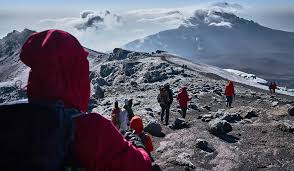
Climbing Mount Kilimanjaro is a life-changing experience—but success on the mountain depends heavily on one key person: your guide. Whether you’re trekking via the Machame Route or the Marangu Route, professional guides play a crucial role in safety, logistics, and overall experience.
This article explains the full range of Kilimanjaro guide responsibilities so you understand just how important they are.
1. Ensuring Climber Safety
The top priority of any Kilimanjaro guide is your safety. Climbing to 5,895 meters exposes trekkers to risks like Altitude Sickness. Guides are trained to:
- Monitor your health daily (oxygen levels, symptoms)
- Recognize early signs of altitude sickness
- Make decisions about when to ascend, rest, or descend
- Handle emergencies and coordinate evacuations if needed
Their experience can literally save lives.
2. Leading the Trek
Guides are responsible for navigating the mountain and setting the pace. They:
- Choose the safest and most efficient paths
- Set a slow, steady pace (“pole pole”) to help with acclimatization
- Adjust daily plans depending on weather and group condition
Without a guide, it’s not even permitted to climb Kilimanjaro—regulations require all climbers to be accompanied by licensed professionals.
3. Managing the Crew
A Kilimanjaro trek involves a team, including porters and cooks. Guides act as team leaders by:
- Coordinating porters who carry equipment and supplies
- Supervising camp setup and breakdown
- Ensuring fair treatment and proper working conditions
Organizations like Kilimanjaro Porters Assistance Project help promote ethical practices, and good guides follow these standards.
4. Providing Technical and Practical Support
Even though Kilimanjaro is a non-technical climb, guides assist with:
- Proper use of trekking gear
- Advice on clothing layers and hydration
- Helping during steep or challenging sections
- Preparing climbers for summit night
Their practical tips make the journey smoother and more comfortable.
5. Offering Motivation and Emotional Support
Climbing Kilimanjaro is as much mental as physical. Guides:
- Encourage climbers during difficult moments
- Share stories, songs, and local culture
- Keep morale high, especially during summit push
Many climbers say their guide was the main reason they reached the summit.
6. Educating Climbers
Guides are knowledgeable about the mountain and surrounding environment. They often teach:
- Local flora and fauna
- Geography and ecosystems of Kilimanjaro
- Tanzanian culture and traditions
This turns your climb into a richer, more meaningful experience.
7. Handling Logistics
From start to finish, guides manage key logistics:
- Registering climbers at park gates
- Organizing campsites and meals
- Tracking progress and timing
- Ensuring compliance with park rules
This allows you to focus entirely on the climb.
Conclusion
Kilimanjaro guides are far more than just pathfinders—they are safety experts, leaders, motivators, and educators. Their responsibilities cover every aspect of the climb, from health monitoring to team coordination.
Choosing a professional, experienced guide is one of the most important decisions you’ll make when planning your Kilimanjaro adventure. With the right guide, your journey to the “Roof of Africa” becomes safer, more enjoyable, and ultimately successful.

