

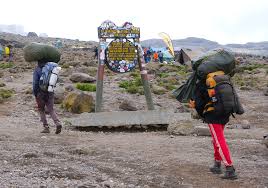
Climbing Mount Kilimanjaro is not just about reaching the summit—it’s a team effort. Behind every successful trek is a group of hardworking porters who carry gear, set up camps, and support climbers throughout the journey. Understanding porter services is essential for anyone planning a trek in Kilimanjaro National Park.
Who Are Kilimanjaro Porters?
Porters are local Tanzanian workers hired by trekking companies to assist climbers. They are responsible for carrying most of the equipment needed for the trek, including:
- Tents and sleeping gear
- Cooking equipment and food supplies
- Water and fuel
- Personal luggage (within weight limits)
Without porters, climbing Kilimanjaro would be far more difficult, especially for beginners.
What Do Porters Do?
Porters play multiple roles on the mountain:
1. Carrying Loads
Each porter carries a load (usually up to 20 kg as per regulations), ensuring climbers can focus on hiking with lighter daypacks.
2. Camp Setup
Porters arrive at campsites ahead of climbers to set up tents, prepare sleeping areas, and organize equipment.
3. Meal Preparation Support
While cooks handle food, porters assist in transporting ingredients and kitchen gear.
4. General Assistance
They help with water collection, cleaning, and maintaining camp comfort.
Why Porter Services Matter
Climbing Kilimanjaro is physically demanding due to altitude and terrain. Porter services:
- Reduce physical strain on climbers
- Improve safety and success rates
- Enhance the overall trekking experience
Most importantly, they make the climb accessible to people without mountaineering experience.
Ethical Treatment of Porters
In the past, porter welfare was a concern. Today, organizations like the Kilimanjaro Porters Assistance Project work to ensure fair treatment.
When booking your trek, choose companies that:
- Limit porter load weight
- Provide proper clothing and shelter
- Pay fair wages
- Offer meals and medical support
Supporting ethical companies ensures porters are treated with dignity.
How Much Weight Can You Give a Porter?
Typically, climbers are allowed to give a porter a duffel bag weighing up to 15 kg. This includes:
- Clothing
- Personal gear
- Sleeping bag (if not rented)
Anything you need during the day (like water, snacks, camera) should stay in your daypack.
Tipping Porters
Tipping is a standard and important part of Kilimanjaro trekking culture. It forms a significant portion of a porter’s income.
General tipping guidelines (per trek, per climber):
- Porters: $5–10 per day per porter
- Guides: $15–25 per day
- Cook: $10–15 per day
Tips are usually collected and distributed at the end of the trek.
How Many Porters Do You Need?
The number of porters depends on:
- Group size
- Duration of the trek
- Amount of gear
On average, one climber may be supported by 3–5 porters, along with a guide and a cook.
Final Thoughts
Porters are the backbone of every Kilimanjaro expedition. Their strength, dedication, and knowledge make it possible for thousands of climbers to reach the summit each year.
Choosing a responsible tour operator and treating porters with respect not only improves your experience but also contributes to a more ethical and sustainable trekking industry in Tanzania.

