

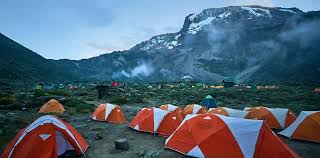
Climbing Mount Kilimanjaro is one of those experiences that looks simple on paper but feels completely different once you’re actually on the mountain. Many first-time climbers arrive excited and confident—only to realize later that there are important things they wish they had known earlier.
Here are the biggest lessons most people learn the hard way.
1. It’s Not Just a Hike—It’s an Endurance Test
Before the climb, many people imagine Kilimanjaro as a long scenic trek.
The reality:
- It is a high-altitude endurance challenge
- Your body reacts strongly to thin air
- Even easy walking becomes difficult
What I wish I knew: fitness helps, but mental endurance matters even more.
2. Altitude Will Change Everything
One of the biggest surprises is how altitude affects you.
As you go higher on Mount Kilimanjaro:
- Breathing becomes harder
- Energy drops quickly
- Headaches and nausea may appear
What I wish I knew: no matter how fit you are, altitude does not care. You must go slowly and respect your body.
3. “Pole Pole” Is Not Optional
Guides constantly say pole pole (slowly, slowly), and at first it feels annoying.
But I wish I knew:
- Going slow is the secret to success
- Rushing increases altitude sickness risk
- Everyone who listens to this advice has a better chance of summiting
On Kilimanjaro, slow is fast.
4. Summit Night Is Much Harder Than Expected
The climb to Uhuru Peak is often underestimated.
What I wish I knew:
- It starts at midnight in freezing darkness
- The climb can take 6–8 hours uphill
- Every step feels like a battle
It is not just physical—it is deeply mental.
5. Your Body Will Surprise You
Before the climb, you think there is a limit to how much you can endure.
But on the mountain:
- You keep walking even when tired
- You adapt to cold and discomfort
- You discover hidden strength
What I wish I knew: your body can do far more than your mind believes.
6. Proper Gear Makes a Huge Difference
Many first-timers underestimate equipment.
What I wish I knew:
- Quality boots prevent pain and injury
- Layering clothes is essential
- Gloves, hats, and warm gear are not optional
Bad gear can turn a great experience into a painful one.
7. Hydration and Food Matter More Than You Think
On Mount Kilimanjaro, eating and drinking properly is not just health advice—it is survival support.
What I wish I knew:
- You must drink water constantly, even when not thirsty
- Appetite decreases at altitude, but you must still eat
- Energy comes from consistency, not hunger cues
8. Weather Can Change Everything
Kilimanjaro has multiple climate zones, and conditions shift quickly.
You can experience:
- Rainforest humidity
- Freezing summit winds
- Sudden temperature drops
What I wish I knew: always be ready for any weather at any time.
9. The Emotional Side Is Unexpected
Many people prepare physically but not emotionally.
On the mountain you feel:
- Doubt
- Frustration
- Excitement
- Deep gratitude
What I wish I knew: Kilimanjaro is as emotional as it is physical.
10. The Summit Is Not the End of the Challenge
Reaching Uhuru Peak feels like victory—but the descent is still long and tiring.
What I wish I knew:
- Going down can strain your knees
- Fatigue increases after the summit
- Recovery takes time
The journey continues even after success.
Final Thought
If I had known all this before climbing Mount Kilimanjaro, I would have been better prepared—but maybe the surprises are part of what makes the experience unforgettable.