
Climbing Mount Kilimanjaro is often described as a personal adventure—but behind every successful summit is a hardworking team of porters, guides, and cooks who make the journey possible. Understanding porter welfare is a key part of responsible trekking and ethical tourism in Tanzania.
This article explains why porter welfare matters and how climbers can make more responsible choices.
Who Are Kilimanjaro Porters?
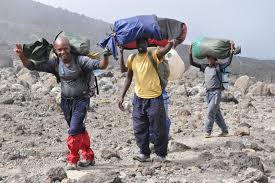
Porters are the backbone of every Kilimanjaro expedition. They carry essential supplies such as:
- Food and cooking equipment
- Tents and sleeping gear
- Climbers’ duffel bags
- Safety equipment
Without them, climbing Mount Kilimanjaro would not be possible for most trekkers.
They often walk the same long routes as climbers—sometimes covering more distance and working under harsh conditions.
Challenges Porters Face
Despite their critical role, porters can face difficult working conditions if companies do not follow ethical standards.
Common challenges include:
- Heavy loads beyond safe limits
- Low or unfair wages
- Inadequate clothing for cold conditions
- Lack of proper food or shelter
- Limited access to safety equipment
These issues highlight why porter welfare is such an important topic in tourism.
What Is Porter Welfare?
Porter welfare refers to ensuring that porters are treated fairly, safely, and respectfully. This includes:
- Fair and transparent wages
- Safe weight limits (usually around 20 kg per porter load)
- Proper meals and accommodation
- Warm clothing and protective gear
- Access to medical support when needed
Good trekking companies prioritize these standards as part of ethical tourism.
The Role of Responsible Trekking
Responsible trekking means choosing to climb in a way that respects both the environment and the people working on the mountain.
It involves:
- Hiring ethical tour operators
- Ensuring porters are properly paid and insured
- Avoiding companies that overload or exploit workers
- Supporting sustainability on the mountain
Organizations like the Kilimanjaro Porters Assistance Project (KPAP) help monitor and certify fair treatment of porters on Kilimanjaro.
How Climbers Can Support Porter Welfare
As a trekker, your choices make a real difference. Here’s how you can help:
1. Choose a Certified Operator
Select companies that are monitored for ethical standards, such as KPAP-affiliated operators.
2. Respect Weight Limits
Make sure your luggage does not exceed the recommended limits so porters are not overloaded.
3. Tip Fairly and Directly
Tipping is an important part of porter income. Ensure it is distributed fairly among the team.
4. Ask Questions Before Booking
A responsible company should be open about:
- Porter wages
- Group sizes
- Safety policies
Why Porter Welfare Matters
Climbing Mount Kilimanjaro is not just about reaching Uhuru Peak—it is also about the people who support every step of the journey.
When porters are treated well:
- Safety improves for everyone
- Service quality becomes better
- Tourism becomes more sustainable
- Local communities benefit fairly
Ethical trekking ensures that adventure does not come at the cost of human dignity.
Final Thought
Responsible trekking transforms Kilimanjaro from just a bucket-list destination into a meaningful experience. When you choose to support porter welfare, you are not only climbing a mountain—you are contributing to a fairer and more sustainable tourism industry on Mount Kilimanjaro.
A successful summit is not only reaching the top—it is making sure everyone who helped you get there is respected and valued.