

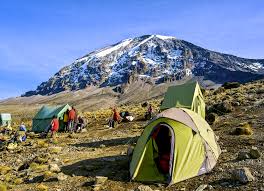
Preventing altitude sickness is one of the most important parts of successfully climbing Mount Kilimanjaro. Because the summit reaches 5,895 meters above sea level, oxygen levels decrease significantly as climbers gain altitude. Without proper acclimatization, many trekkers experience headaches, nausea, fatigue, and other symptoms related to high altitude.
Although altitude sickness can affect anyone regardless of age or fitness level, proper preparation and smart climbing strategies greatly improve your chances of reaching the summit safely and comfortably.
WHY ALTITUDE SICKNESS HAPPENS
As you climb higher on Mount Kilimanjaro:
- Air pressure drops
- Oxygen becomes thinner
- The body works harder to breathe
At the summit, oxygen availability is about half of what it is at sea level. The human body needs time to adapt to these conditions through a process called acclimatization.
If climbers ascend too quickly, altitude sickness can develop.
CHOOSE A LONGER ROUTE
One of the best ways to prevent altitude sickness is selecting a route with more acclimatization time.
BEST ROUTES FOR ACCLIMATIZATION:
- Lemosho Route
- Northern Circuit Route
- Machame Route
Longer routes allow your body to gradually adjust to altitude and usually have higher summit success rates.
Shorter routes increase the risk of altitude sickness because climbers gain elevation too quickly.
WALK SLOWLY – “POLE POLE”
One of the most famous phrases on Kilimanjaro is:
- “Pole pole” (slowly slowly)
Walking slowly is extremely important because it:
- Conserves energy
- Reduces strain on the body
- Helps improve acclimatization
Trying to hike too fast at altitude often leads to exhaustion and worsening symptoms.
Experienced Kilimanjaro guides maintain a slow, steady pace specifically to help climbers adjust safely.
STAY HYDRATED
Hydration is essential at high altitude.
WHY WATER MATTERS:
- Altitude increases fluid loss
- Dry air causes dehydration
- Dehydration worsens altitude symptoms
Most climbers are advised to drink:
- 3–4 liters of water daily
Proper hydration helps the body function more efficiently at altitude and may reduce headaches and fatigue.
EAT ENOUGH FOOD
Many climbers lose appetite at altitude, but proper nutrition remains extremely important.
WHY EATING HELPS:
- Provides energy for trekking
- Supports acclimatization
- Helps maintain body warmth
Even if appetite decreases, try to eat:
- Soups
- Carbohydrates
- Snacks
- Energy-rich meals
Skipping meals can weaken the body and make altitude symptoms worse.
GET ENOUGH REST
Sleep and recovery help the body adapt to high altitude conditions.
IMPORTANT TIPS:
- Sleep whenever possible
- Avoid unnecessary physical activity at camp
- Stay warm during the night
Although sleep quality often decreases at altitude, resting still helps the body recover.
AVOID ALCOHOL AND SMOKING
Before and during the climb, it is best to avoid:
- Alcohol
- Smoking
These can:
- Worsen dehydration
- Affect breathing
- Reduce acclimatization efficiency
Healthy hydration and oxygen intake are essential on Kilimanjaro.
CONSIDER DIAMOX
Some climbers use:
- Diamox
to help reduce the risk of altitude sickness.
Diamox may:
- Improve acclimatization
- Reduce headaches
- Help breathing during sleep
However, it is not mandatory, and many climbers summit successfully without medication.
Anyone considering Diamox should consult a doctor before the trip.
CLIMB HIGH, SLEEP LOW
Many Kilimanjaro routes use an acclimatization strategy called:
- “Climb high, sleep low”
This means climbers hike to a higher elevation during the day and then descend slightly to sleep.
This technique helps the body gradually adapt to altitude more effectively.
Routes like:
- Machame Route
use this acclimatization approach successfully.
LISTEN TO YOUR GUIDES
Professional Kilimanjaro guides are trained to recognize altitude sickness symptoms early.
Guides often:
- Monitor walking pace
- Check hydration levels
- Ask about headaches and nausea
- Use pulse oximeters to monitor oxygen saturation
Always communicate honestly about how you feel during the climb.
Ignoring symptoms can become dangerous at high altitude.
UNDERSTAND EARLY WARNING SIGNS
Recognizing symptoms early is critical.
COMMON WARNING SIGNS:
- Headache
- Dizziness
- Nausea
- Fatigue
- Loss of appetite
- Difficulty sleeping
Mild symptoms are common, but worsening symptoms should never be ignored.
MAINTAIN A POSITIVE MINDSET
Mental preparation is also important on Mount Kilimanjaro.
Climbing at high altitude can feel physically and mentally exhausting. Staying calm, patient, and focused helps many climbers handle difficult moments more effectively.
DOES FITNESS PREVENT ALTITUDE SICKNESS?
No.
Even very fit athletes can develop altitude sickness.
Physical fitness helps with endurance and recovery, but acclimatization depends mainly on:
- Ascent speed
- Hydration
- Altitude adaptation
This is why slow climbing is more important than physical strength alone.
WHAT TO DO IF SYMPTOMS GET WORSE
If symptoms become severe:
- Stop ascending
- Inform your guide immediately
- Rest and hydrate
- Descend if necessary
Serious altitude illnesses such as:
- HAPE
- HACE
require immediate descent and medical attention.
Safety always comes first on Kilimanjaro.
FINAL THOUGHTS
Preventing altitude sickness on Mount Kilimanjaro is all about proper acclimatization, slow pacing, hydration, and listening to your body. Choosing a longer route, walking “pole pole,” eating well, and staying hydrated greatly improve your chances of reaching the summit safely.
Although mild symptoms are common, most climbers successfully manage altitude when they follow proper trekking practices and work closely with experienced guides.
With the right preparation and mindset, reaching Uhuru Peak becomes a much safer and more enjoyable experience.