

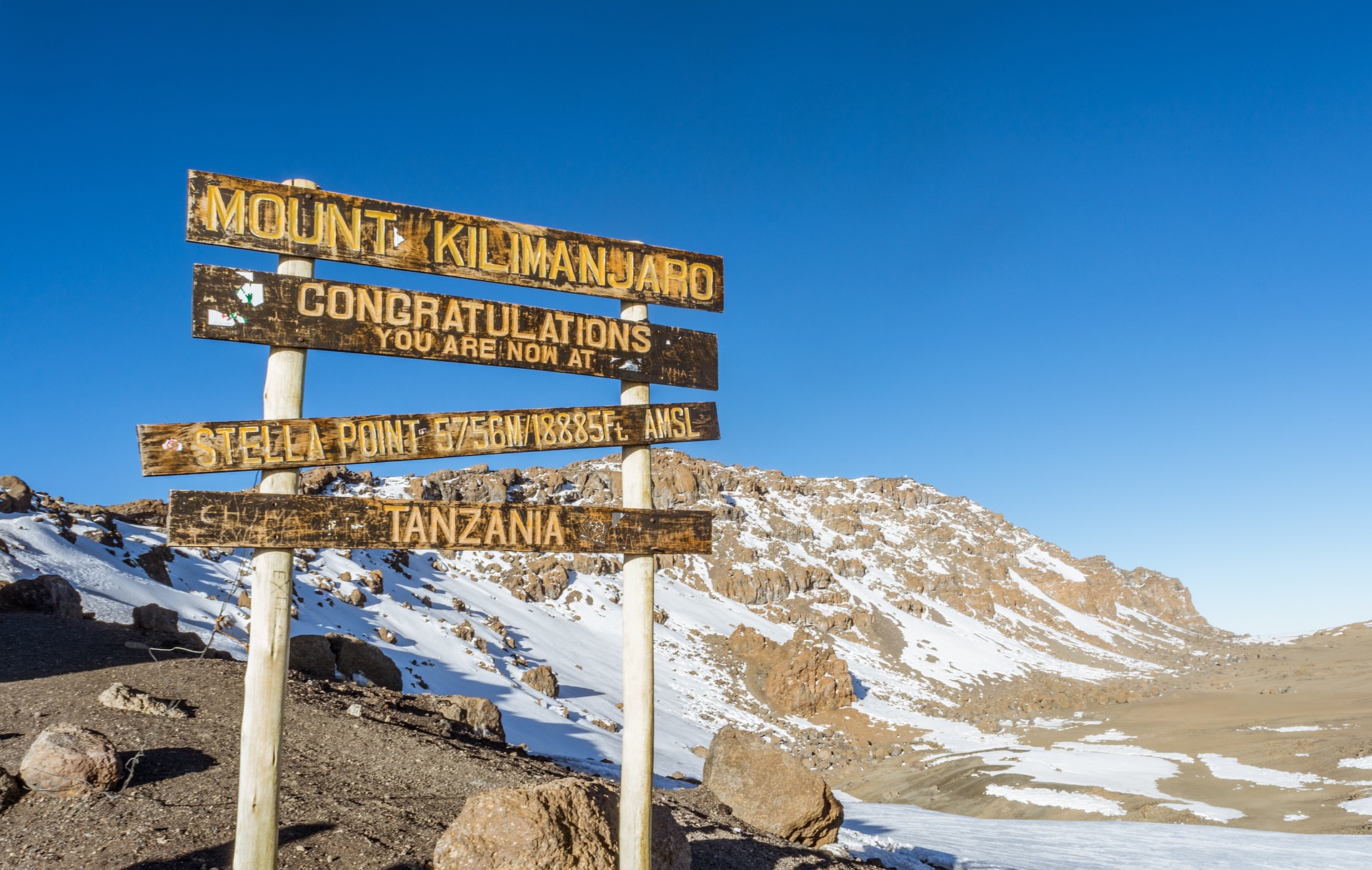
Acclimatization is one of the most important factors for successfully climbing Mount Kilimanjaro. Since the mountain rises to 5,895 meters above sea level, oxygen levels decrease significantly as climbers gain altitude. The human body needs time to adjust to thinner air, and proper acclimatization helps reduce the risk of altitude sickness while improving summit success.
Many climbers underestimate how challenging high altitude can be. Even experienced hikers and physically fit athletes can struggle if they ascend too quickly. Understanding how acclimatization works and following smart trekking strategies greatly increases your chances of reaching the summit safely.
WHAT IS ACCLIMATIZATION?
Acclimatization is the process where the body gradually adapts to lower oxygen levels at high altitude.
As you climb higher on Mount Kilimanjaro:
- Oxygen becomes thinner
- Breathing becomes harder
- The body works harder to deliver oxygen to muscles and organs
The body responds by:
- Increasing breathing rate
- Producing more red blood cells
- Improving oxygen efficiency over time
This adjustment process takes time, which is why slow ascent is critical.
CHOOSE A LONGER ROUTE
One of the best acclimatization strategies is selecting a longer climbing route.
BEST ROUTES FOR ACCLIMATIZATION:
- Lemosho Route
- Northern Circuit Route
- Machame Route
These routes provide:
- More days on the mountain
- Gradual altitude gain
- Better adaptation opportunities
Longer routes usually have much higher summit success rates because climbers acclimatize more effectively.
WALK SLOWLY – “POLE POLE”
The famous Kilimanjaro phrase:
- “Pole pole” (slowly slowly)
is one of the most important acclimatization principles.
Walking slowly helps:
- Reduce strain on the body
- Conserve energy
- Improve oxygen efficiency
- Prevent exhaustion
Trying to hike too fast at altitude often increases the risk of headaches, nausea, and fatigue.
Experienced guides purposely maintain a slow pace to support acclimatization.
STAY HYDRATED
Hydration is extremely important at high altitude.
WHY?
At altitude:
- Breathing increases water loss
- Dry mountain air causes dehydration
- Dehydration worsens altitude symptoms
Most climbers should drink:
- 3–4 liters of water daily
Good hydration helps circulation, oxygen delivery, and recovery.
Many guides encourage climbers to drink regularly throughout the trek, even if they do not feel thirsty.
EAT REGULARLY
At high altitude, appetite often decreases. However, the body still requires energy for:
- Climbing
- Recovery
- Staying warm
IMPORTANT FOODS:
- Carbohydrates
- Soups
- Fruits
- Snacks
- Energy-rich meals
Skipping meals weakens the body and may make altitude sickness symptoms worse.
Even small snacks during trekking days can help maintain energy levels.
CLIMB HIGH, SLEEP LOW
Many Kilimanjaro routes use a strategy called:
- “Climb high, sleep low”
This means:
- Climbers hike to higher elevation during the day
- Then descend slightly to sleep at lower altitude
This technique helps the body adjust gradually while reducing stress from sleeping too high too quickly.
Routes such as:
- Machame Route
successfully use this acclimatization approach.
GET ENOUGH REST
Rest and recovery are important for altitude adaptation.
IMPORTANT TIPS:
- Sleep as much as possible
- Avoid unnecessary activity at camp
- Stay warm during the night
Although many climbers experience lighter sleep at altitude, resting still helps the body recover and acclimatize.
AVOID ALCOHOL AND SMOKING
Before and during the Kilimanjaro climb, it is best to avoid:
- Alcohol
- Smoking
These can:
- Worsen dehydration
- Affect oxygen intake
- Reduce acclimatization efficiency
Healthy hydration and breathing are essential at high altitude.
CONSIDER DIAMOX
Some climbers use:
- Diamox
to help reduce altitude sickness risk.
Diamox may:
- Improve acclimatization
- Reduce headaches
- Help breathing during sleep
However, medication should never replace proper pacing and hydration.
Anyone considering Diamox should consult a doctor before the climb.
LISTEN TO YOUR BODY
One of the most important acclimatization skills is recognizing symptoms early.
COMMON WARNING SIGNS:
- Headache
- Dizziness
- Nausea
- Fatigue
- Trouble sleeping
- Loss of appetite
Mild symptoms are common, but worsening symptoms should never be ignored.
Always communicate honestly with your guide about how you feel.
FOLLOW YOUR GUIDE’S ADVICE
Professional Kilimanjaro guides are trained to monitor acclimatization and altitude sickness symptoms.
Guides often:
- Check your walking pace
- Monitor energy levels
- Observe coordination and breathing
- Use pulse oximeters to measure oxygen saturation
Their experience plays a major role in climber safety and summit success.
FITNESS VS ACCLIMATIZATION
Many people assume fitness prevents altitude sickness, but this is not true.
Even very fit athletes can struggle at altitude.
Physical fitness helps with:
- Endurance
- Strength
- Recovery
However, acclimatization mainly depends on:
- Ascent speed
- Hydration
- Individual body response to altitude
Slow climbing remains more important than athletic ability.
WHAT HAPPENS IF YOU DON’T ACCLIMATIZE PROPERLY?
Poor acclimatization increases the risk of:
- Acute Mountain Sickness (AMS)
- Severe fatigue
- Summit failure
In serious cases, dangerous altitude illnesses can develop, including:
- HAPE
- HACE
Both require immediate descent and medical attention.
BEST ROUTE LENGTH FOR ACCLIMATIZATION
Most experienced guides recommend:
- 7–9 day routes
These itineraries provide the best balance between acclimatization and summit success.
Shorter climbs may save money and time, but they significantly increase altitude sickness risk.
MENTAL PREPARATION MATTERS TOO
Altitude trekking is not only physical—it is also mental.
Climbers who remain:
- Calm
- Patient
- Positive
often manage altitude challenges more effectively.
The Kilimanjaro journey requires discipline, steady pacing, and mental endurance.
FINAL THOUGHTS
Good acclimatization is the key to safely climbing Mount Kilimanjaro. Choosing a longer route, walking slowly, staying hydrated, eating properly, and listening to your body greatly improve your chances of reaching the summit successfully.
Altitude affects everyone differently, but careful preparation and proper acclimatization strategies help many climbers safely reach Uhuru Peak while enjoying one of Africa’s greatest trekking adventures.
If you want, I can also create a Kilimanjaro acclimatization day-by-day guide, best routes for summit success comparison, or an AMS vs HAPE vs HACE explanation.