

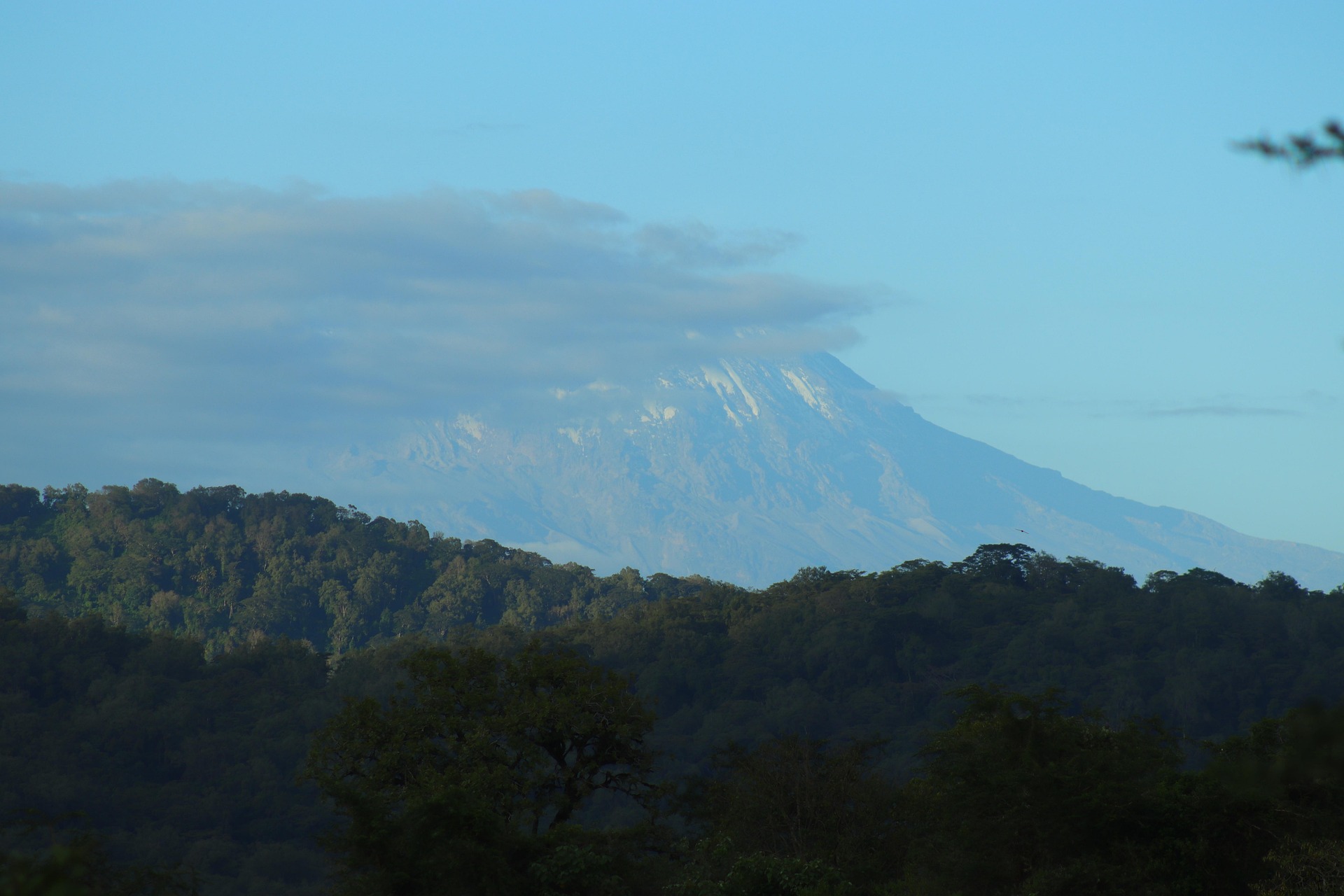
AMS (Acute Mountain Sickness) is the most common altitude-related illness experienced by climbers on Mount Kilimanjaro. Because Kilimanjaro rises to 5,895 meters above sea level, oxygen levels decrease significantly as climbers gain altitude. When the body cannot adapt quickly enough to thinner air, AMS can develop.
Altitude sickness affects many trekkers on Kilimanjaro, including beginners, experienced hikers, and even very fit athletes. Understanding AMS symptoms, prevention methods, and treatment options is extremely important for a safe and successful climb.
WHAT IS ACUTE MOUNTAIN SICKNESS?
AMS is a condition caused by rapid exposure to high altitude where oxygen levels are lower than at sea level.
As climbers ascend Mount Kilimanjaro:
- Air pressure decreases
- Oxygen becomes thinner
- The body struggles to adapt
This lack of oxygen places stress on the body and can trigger altitude sickness symptoms.
AMS is usually mild at first, but symptoms can worsen if ignored.
WHEN DOES AMS START ON KILIMANJARO?
AMS symptoms commonly begin above:
- 2,500 meters (8,200 feet)
However, symptoms become much more common at higher camps such as:
- Barranco Camp
- Barafu Camp
- Kibo Hut
Many climbers notice symptoms during:
- Summit night
- High-altitude sleeping camps
- Rapid altitude gain days
COMMON AMS SYMPTOMS
AMS symptoms can range from mild discomfort to more serious illness.
COMMON SYMPTOMS INCLUDE:
- Headache
- Nausea
- Dizziness
- Fatigue
- Loss of appetite
- Difficulty sleeping
- Shortness of breath
- Weakness
Headaches are usually the earliest and most common symptom of AMS on Kilimanjaro.
Many climbers also feel unusually tired because the body receives less oxygen at higher altitude.
WHY AMS HAPPENS ON KILIMANJARO
The main cause of AMS is:
- Ascending too quickly without enough acclimatization
Several factors increase AMS risk:
- Fast ascent
- Poor hydration
- Short itineraries
- Previous altitude sickness history
- Lack of rest
Even healthy and athletic people can develop AMS because altitude affects everyone differently.
MILD VS SEVERE AMS
MILD AMS
Most Kilimanjaro climbers experience mild symptoms such as:
- Headache
- Fatigue
- Mild nausea
These symptoms often improve with:
- Rest
- Hydration
- Slow pacing
SEVERE AMS
If symptoms worsen, AMS can become dangerous.
WARNING SIGNS:
- Severe headache
- Vomiting
- Confusion
- Difficulty walking
- Extreme weakness
- Severe breathing problems
Severe symptoms require immediate descent and medical attention.
HAPE AND HACE
Untreated AMS can develop into serious altitude illnesses.
HAPE
(High Altitude Pulmonary Edema)
Fluid builds up in the lungs.
SYMPTOMS:
- Persistent cough
- Chest tightness
- Severe shortness of breath
- Wet breathing sounds
HACE
(High Altitude Cerebral Edema)
Swelling develops in the brain.
SYMPTOMS:
- Confusion
- Poor coordination
- Hallucinations
- Difficulty speaking
Both conditions are life-threatening emergencies requiring immediate descent.
HOW TO PREVENT AMS ON KILIMANJARO
Good acclimatization is the best protection against AMS.
IMPORTANT PREVENTION TIPS:
- Choose longer routes
- Walk slowly (“pole pole”)
- Drink enough water
- Eat regularly
- Sleep well
- Avoid alcohol before and during the climb
Routes such as:
- Lemosho Route
- Northern Circuit Route
provide better acclimatization opportunities and higher summit success rates.
DIAMOX AND AMS
Some climbers use:
- Diamox
to help reduce AMS symptoms.
Diamox may:
- Improve acclimatization
- Reduce headaches
- Help breathing during sleep
However, medication should never replace proper pacing and acclimatization practices.
Consulting a doctor before using altitude medication is recommended.
HOW GUIDES MONITOR AMS
Professional Kilimanjaro guides are trained to identify AMS symptoms early.
Guides often:
- Ask about headaches and nausea
- Observe walking coordination
- Monitor energy levels
- Use pulse oximeters to check oxygen saturation
Daily health monitoring helps guides make important safety decisions during the climb.
WHAT TO DO IF YOU DEVELOP AMS
If AMS symptoms appear:
- Inform your guide immediately
- Rest if necessary
- Drink water
- Eat small meals
- Avoid ascending further too quickly
Mild symptoms may improve with proper acclimatization and rest.
However, worsening symptoms should never be ignored.
DOES FITNESS PREVENT AMS?
No.
Physical fitness helps with endurance and recovery, but it does not prevent altitude sickness.
Very fit climbers can still develop AMS if they ascend too quickly.
Acclimatization depends more on:
- Ascent speed
- Hydration
- Individual response to altitude
than overall athletic ability.
SUMMIT NIGHT AND AMS
AMS symptoms often become strongest during the final ascent to:
- Uhuru Peak
Summit night involves:
- Thin oxygen levels
- Cold temperatures
- Physical exhaustion
Many climbers experience:
- Headaches
- Nausea
- Fatigue
- Shortness of breath
during this stage of the trek.
CAN YOU SUCCESSFULLY CLIMB WITH MILD AMS?
Many climbers continue safely with mild symptoms if:
- Symptoms remain stable
- The guide approves
- Proper acclimatization continues
However, severe or worsening symptoms always require descent.
Safety is more important than reaching the summit.
FINAL THOUGHTS
AMS (Acute Mountain Sickness) is one of the most important health challenges on Mount Kilimanjaro. While mild symptoms such as headaches and fatigue are common, serious altitude illness can become dangerous if ignored.
The best ways to reduce AMS risk include:
- Choosing longer routes
- Walking slowly
- Staying hydrated
- Eating properly
- Listening to your guides
With proper acclimatization and preparation, many climbers safely manage altitude and successfully reach Uhuru Peak while enjoying one of the world’s most unforgettable trekking adventures.