

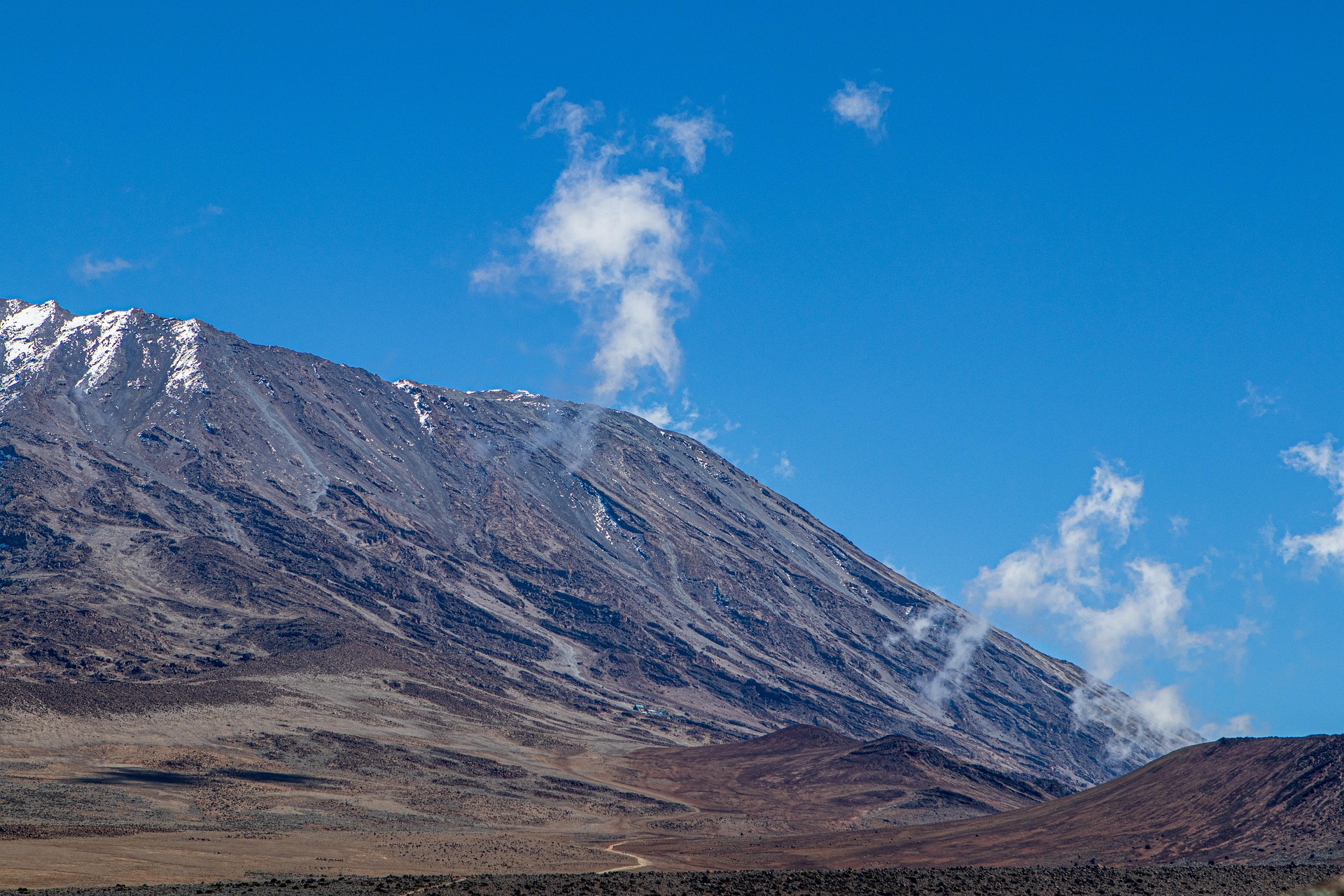
Summit night on Mount Kilimanjaro is the most challenging and unforgettable part of the entire climb. This is the final push to reach Uhuru Peak at 5,895 meters above sea level. It is physically demanding, mentally tough, and takes place in extreme cold and thin oxygen conditions.
Most climbers begin the summit attempt around midnight and continue hiking for 6–8 hours before reaching the top at sunrise.
WHEN SUMMIT NIGHT STARTS
Climbers usually start from high camps such as:
- Barafu Camp
- Kibo Hut
TIMELINE:
- 11:00 PM – 12:00 AM: Wake up and prepare
- 12:00 AM – 1:00 AM: Begin ascent in darkness
- 6:00 AM – 7:00 AM: Reach summit (sunrise)
- 8:00 AM onward: Start descent back down
The climb is done mostly at night to avoid strong daytime sun and unstable snow conditions.
EXTREME COLD CONDITIONS
Summit night is extremely cold on Mount Kilimanjaro.
TEMPERATURES CAN DROP TO:
- -10°C to -20°C (14°F to -4°F)
CONDITIONS INCLUDE:
- Freezing wind
- Ice and snow
- Thin air
- Strong cold exposure
Proper layering is essential to survive and stay comfortable during the ascent.
LOW OXYGEN LEVELS
At the summit of Kilimanjaro:
- Oxygen is about 50% of sea level
This causes:
- Slow movement
- Heavy breathing
- Faster fatigue
- Reduced energy
Even simple steps feel difficult because the body receives much less oxygen.
PHYSICAL CHALLENGES
Summit night is a slow and steady climb that tests endurance.
WHAT YOU MAY EXPERIENCE:
- Extreme fatigue
- Heavy legs
- Shortness of breath
- Headache
- Nausea
- Muscle soreness
Most climbers take frequent short breaks to recover and breathe.
THE ASCENT TO THE CRATER RIM
The first major milestone is reaching the crater rim.
From there, climbers continue toward:
- Stella Point
This section is steep and mentally demanding, but reaching the rim is a major achievement.
After Stella Point, it is usually another 1–2 hours of walking to reach the highest point in Africa.
FINAL PUSH TO UHURU PEAK
The last section to:
- Uhuru Peak
is less steep but very exhausting due to altitude.
WHAT TO EXPECT:
- Slow walking pace (“pole pole”)
- Snow and ice conditions
- Strong wind exposure
- Emotional exhaustion
Many climbers describe this section as mentally powerful because you are so close to the summit.
SUNRISE AT THE SUMMIT
Reaching the summit at sunrise is one of the most rewarding moments of the entire journey.
EXPERIENCE INCLUDES:
- Golden sunrise over Africa
- Views of glaciers and crater edges
- Emotional relief and joy
- Photos at the summit sign
After hours of climbing in darkness, the sunrise feels unforgettable.
DESCENT AFTER SUMMIT
After reaching the top, climbers do not stay long due to extreme cold and altitude conditions.
DESCENT TIMELINE:
- Begin descending immediately after photos
- Return to high camp for rest
- Continue down to lower camp or base the same day
The descent is often physically harder on the knees than the ascent due to steep gravel paths.
ALTITUDE SICKNESS DURING SUMMIT NIGHT
Summit night is when altitude symptoms are strongest.
COMMON SYMPTOMS:
- Headache
- Nausea
- Dizziness
- Shortness of breath
- Weakness
Because oxygen is very low, even strong climbers feel exhausted.
Guides closely monitor climbers during this stage.
HOW TO PREPARE FOR SUMMIT NIGHT
IMPORTANT TIPS:
- Wear all warm layers
- Use gloves and insulated jackets
- Carry headlamp with extra batteries
- Drink water regularly
- Eat light snacks before starting
- Move slowly and steadily
Proper preparation makes a big difference in comfort and success.
ROLE OF GUIDES
Professional guides on Mount Kilimanjaro are essential during summit night.
They:
- Set safe pacing
- Encourage climbers
- Monitor health
- Decide when rest or descent is needed
Their experience helps ensure safety and summit success.
MENTAL CHALLENGE
Summit night is not only physical—it is also mental.
Climbers often feel:
- Doubt due to fatigue
- Cold exhaustion
- Slow progress frustration
But the key mindset is:
- “One step at a time”
Focus and determination are often what carry climbers to the summit.
WHO REACHES THE SUMMIT?
Success depends on:
- Acclimatization
- Route choice
- Fitness level
- Mental strength
- Weather conditions
Climbers on longer routes generally have higher success rates due to better acclimatization.
FINAL THOUGHTS
Summit night on Mount Kilimanjaro is the most demanding part of the climb, but also the most rewarding. Cold temperatures, low oxygen, and physical exhaustion make it a true endurance challenge.
However, with proper preparation, slow pacing, and strong mental focus, many climbers successfully reach Uhuru Peak and experience one of the most unforgettable sunrises on Earth.