Travel Insights

Student Safari Tanzania

Kilimanjaro Sunrise Summit View

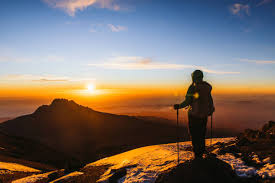
Reaching the summit of Mount Kilimanjaro is already a life-changing achievement, but witnessing the sunrise from the top of Africa is the moment that makes the entire journey unforgettable. The sunrise summit view is often described as peaceful, emotional, and surreal—something climbers remember forever. What Is the Kilimanjaro Sunrise Summit View? The sunrise summit view refers to the moment when the sun rises while you are near or at: At this time, climbers are standing above the clouds, watching the world slowly light up beneath them. When Does the Sunrise Happen? Summit attempts usually start around: After 6 to 8 hours of climbing, climbers reach the summit area just as the sun begins to rise. Typical timing: What the Sunrise Looks Like The Kilimanjaro sunrise is unlike any other. You will see: From the summit, you are literally above the clouds. Emotional Experience at the Summit Many climbers describe the sunrise moment as deeply emotional. Common feelings include: After hours of exhaustion, the beauty of the sunrise makes everything feel worth it. Weather Conditions at Sunrise At sunrise near the summit: Despite this, visibility is often clear on good weather days. Best Places to View the Sunrise The best viewpoints include: Stella Point Uhuru Peak Both points offer breathtaking views over the African continent. Why the Sunrise Feels So Special The Kilimanjaro sunrise is special because: It symbolizes completion, strength, and victory. Photography Tips for Sunrise To capture the best sunrise moments: Challenges During Sunrise Summit Even during this beautiful moment, climbers face: Most climbers stay only a short time before starting to descend. Sunrise and the Descent After enjoying the sunrise: The sunrise marks both the peak of achievement and the start of the journey down. Final Thoughts The sunrise summit view on Mount Kilimanjaro is one of the most powerful natural experiences in the world. It transforms a physically demanding climb into a deeply emotional and unforgettable memory. Standing above the clouds as the sun rises over Africa is not just a view—it is a moment of triumph, reflection, and pure beauty.

Kilimanjaro Sunrise Summit View Read Post »
download (15)

Kilimanjaro Glacier Climbing Guide

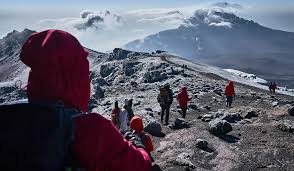
Climbing the glaciers of Mount Kilimanjaro is one of the most unique and surreal experiences in Africa. At the summit region, near Uhuru Peak, you will find remnants of ancient ice fields that give climbers a rare chance to walk near tropical glaciers. Although these glaciers are shrinking due to climate change, they still form a dramatic part of the Kilimanjaro summit experience. What Are Kilimanjaro Glaciers? Kilimanjaro glaciers are permanent ice formations found near the summit, mainly around: They are the last remaining glaciers of what was once a much larger ice cap. Where You See Glaciers on Kilimanjaro Most glacier views occur during the final stages of the climb: Some routes also allow closer views of the ice fields depending on conditions and weather. Can You Actually Climb the Glaciers? Yes, but with limitations. You can: However: Difficulty of Glacier Climbing Glacier walking on Kilimanjaro is not technically difficult, but conditions are challenging: The main challenge is altitude, not climbing skill. Weather Conditions Around the Glaciers At glacier level, conditions are extreme: Even during sunrise, frost and ice remain visible. Safety Tips for Glacier Areas Safety is very important at high altitude: Guides from licensed operators always lead glacier-area visits. What to Wear for Glacier Exploration Proper gear is essential: Wind chill can make temperatures feel much colder than they are. Best Time to See Kilimanjaro Glaciers The best visibility is during: Clear skies increase your chances of seeing the ice fields. However, glaciers can be visible year-round depending on weather conditions. The Future of Kilimanjaro Glaciers Scientists report that glaciers on Mount Kilimanjaro are shrinking due to climate change. Key facts: This makes glacier trekking a rare and time-sensitive experience. Challenges of Glacier Climbing Even though it is visually stunning, it comes with challenges: Most climbers spend only a short time near the glaciers before descending. Why Glacier Climbing Is Special Despite the challenges, the experience is unforgettable: It is a highlight of any Kilimanjaro expedition. Final Thoughts Glacier exploration on Mount Kilimanjaro is a rare and powerful experience that combines adventure, beauty, and environmental awareness. While the glaciers are fragile and shrinking, they remain one of the most iconic features of the mountain. For many climbers, standing near the ice fields at the summit is the ultimate reward after days of trekking.

Kilimanjaro Glacier Climbing Guide Read Post »

tanzania safari cost

Tanzania Travel Budget Guide

Planning a trip to Tanzania can fit many types of travelers—from budget backpackers to luxury safari seekers. The key is understanding where your money goes and how to control costs while still enjoying iconic experiences like safaris, beaches, and mountain trekking. Below is a clear breakdown to help you plan your Tanzania travel budget wisely. 1. Overview of Travel Costs in Tanzania Tanzania offers a wide range of prices depending on your travel style. On average: Your biggest expenses will usually be accommodation, safari tours, park fees, and transport. 2. Flights to Tanzania International flights vary depending on your country of origin: Main entry airports: Booking early (2–4 months in advance) can significantly reduce costs. 3. Accommodation Costs Accommodation in Tanzania ranges from simple hostels to high-end safari lodges. In safari areas like Serengeti or Ngorongoro, prices are higher due to location and logistics. 4. Safari Costs Safaris are the most expensive part of a Tanzania trip. Park entry fees also apply: The more people in a group, the cheaper the safari cost per person. 5. Transportation Costs Getting around Tanzania depends on distance and comfort level: For safaris, 4×4 vehicles with drivers are standard and usually included in tour packages. 6. Food & Drinks Food is generally affordable: Popular meals include ugali, nyama choma, pilau, and fresh seafood along the coast. 7. Activities & Extra Costs Here are common activity costs: Always check if park fees or equipment are included in tour prices. 8. Sample 7-Day Budget Breakdown Budget Trip (~$500–$900 total) Mid-Range Trip (~$1,200–$2,500 total) Luxury Trip ($3,000+) 9. Money-Saving Tips Conclusion A trip to Tanzania can be as affordable or luxurious as you want it to be. By planning carefully and understanding where your money goes, you can experience world-class safaris, stunning beaches, and iconic landscapes without overspending.

Tanzania Travel Budget Guide Read Post »

honeymoon safari africa

Kilimanjaro Alpine Desert Experience

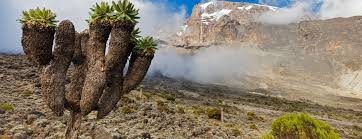
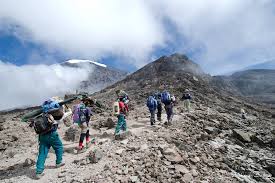
The alpine desert zone on Mount Kilimanjaro is one of the most dramatic and extreme environments you will encounter during the climb. Sitting between the moorland and the arctic summit zone, it is a landscape of rock, wind, and intense temperature changes. This stage of the trek feels almost like walking on another planet. What Is the Alpine Desert Zone? The alpine desert zone is typically found at: It is called a “desert” not because of heat, but because of very low moisture and sparse vegetation. What the Landscape Looks Like The alpine desert is visually striking and empty compared to lower zones. You will see: This is one of the most barren sections of the mountain. Weather Conditions in the Alpine Desert Weather here is extreme and unpredictable: Despite the sun, the air remains cold because of high altitude. Oxygen Levels and Difficulty One of the biggest challenges in this zone is thin air. Even simple steps feel more exhausting than in lower zones. How Trekking Feels in the Alpine Desert Climbing through this zone is both physically and mentally demanding. You may experience: However, the quietness of the environment can also feel peaceful and surreal. Routes That Pass Through the Alpine Desert Most Kilimanjaro routes include this zone, especially: These routes pass through the desert before reaching summit base camps. Key Camps in the Alpine Desert Zone Some important camps located in this zone include: These camps are crucial for acclimatization before summit night. Challenges of the Alpine Desert Experience This zone presents several difficulties: Proper preparation is essential. What to Wear in the Alpine Desert Layering is very important: Conditions can change quickly, so flexibility is key. Tips for Surviving the Alpine Desert Why the Alpine Desert Is Special Despite its harsh conditions, this zone is unforgettable: It is a key mental and physical transition before the final ascent. Transition to the Summit Zone After the alpine desert: This leads directly to the final challenge—summit night. Final Thoughts The alpine desert experience on Mount Kilimanjaro is one of the most challenging yet rewarding parts of the climb. It tests your endurance, patience, and mental strength before the final push to the summit. Though harsh and empty, it is a vital stage of the journey to the roof of Africa.

Kilimanjaro Alpine Desert Experience Read Post »

Kilimanjaro Base Camps Overview

Kilimanjaro Base Camps Overview

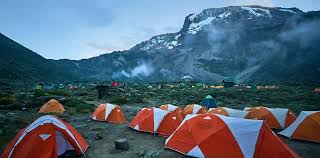
Climbing Mount Kilimanjaro involves spending several nights at different camps along the route. These base camps are essential for rest, acclimatization, and preparation—especially before the final summit push. Each route on Kilimanjaro has its own camps, but many share common base camps near the summit. What Are Kilimanjaro Base Camps? Base camps are designated overnight stops where climbers: The most important base camp is the one used before summit night. Main Kilimanjaro Base Camps 1. Barafu Camp (Summit Base Camp) Barafu Camp is one of the most popular and important camps on Kilimanjaro. What to expect: This is where most climbers rest before starting the midnight summit climb to Uhuru Peak. 2. Kibo Hut (Marangu Route Base Camp) Unlike other routes, this camp has huts instead of tents. Features: This is the summit base for climbers on the Marangu Route. 3. School Hut Camp School Hut is a quieter alternative to Barafu. Highlights: It offers a more peaceful summit preparation experience. 4. Crater Camp (Advanced Base Camp) This camp is located near the summit crater. Important notes: Some climbers stay here to explore glaciers and the crater area. Other Common Camps (Lower Altitudes) Before reaching base camp, climbers pass through several camps such as: These camps help with gradual acclimatization. Differences Between Camps Camping Routes Hut Routes (Marangu) Conditions at Base Camps As you approach higher camps: At summit base camps, conditions are harsh: What Happens at Base Camp Before Summit? Typical schedule: This is the most critical stage of the trek. Tips for Staying at Base Camps Why Base Camps Are Important Base camps play a key role in: Choosing a route with proper acclimatization camps increases your chances of reaching the top. Final Thoughts Kilimanjaro base camps are more than just places to sleep—they are essential checkpoints on your journey to the summit of Mount Kilimanjaro. From the busy Barafu Camp to the quiet School Hut, each base camp offers a unique experience and prepares you for the ultimate goal: standing on the roof of Africa.

Kilimanjaro Base Camps Overview Read Post »

tanzania safari 2026

Safari vs kilimanjaro cost comparison”

Tanzania is one of Africa’s top travel destinations, famous for two major experiences: wildlife safaris and climbing Mount Kilimanjaro. Many travelers often wonder which one is more expensive, or how their costs compare. The truth is, both experiences are premium—but their pricing structures are very different. This article breaks down the real costs of a Tanzania safari vs Kilimanjaro trek, so you can plan your budget more accurately. 1. Overview of the Two Experiences Safari Experience A safari usually involves visiting national parks such as: You travel by 4×4 vehicle, stay in lodges or tented camps, and spend your days watching wildlife like lions, elephants, giraffes, and zebras. Kilimanjaro Experience Climbing Mount Kilimanjaro involves trekking Africa’s highest peak: You hike for 5–9 days depending on the route, sleep in tents or huts, and are supported by guides and porters. 2. Cost of a Tanzania Safari Safari costs depend heavily on comfort level. Budget Safari Mid-range Safari Luxury Safari What affects safari cost: 3. Cost of Climbing Kilimanjaro Kilimanjaro trekking costs are more fixed because they include mandatory services. Budget Climb Mid-range Climb Luxury Climb What affects Kilimanjaro cost: 4. Key Cost Differences Factor Safari Kilimanjaro Duration 3–10 days typical 5–9 days Daily cost Higher flexibility Fixed high fees Accommodation Lodges / camps Tents / mountain huts Main expense Luxury lodges & transport Park fees & staff wages Comfort level High luxury options Basic to moderate comfort 5. Which Is More Expensive? 6. Final Verdict Many travelers actually combine both for the ultimate Tanzania adventure.

Safari vs kilimanjaro cost comparison” Read Post »

Kilimanjaro Tour Price Comparison

Kilimanjaro Tour Price Comparison

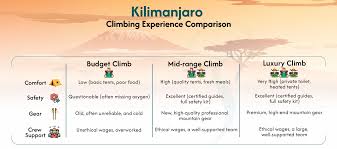
Mount Kilimanjaro is one of Africa’s most iconic trekking destinations, but tour prices can vary widely depending on the route, number of days, and level of service. If you’re planning a climb, understanding how prices compare helps you avoid overpaying and choose the best value experience. In general, Kilimanjaro tours range from about USD 1,450 to over USD 3,500 per person, depending on the package quality and route chosen. What affects Kilimanjaro tour prices? Before comparing routes, it’s important to understand why prices differ: These factors explain why two tours of the same mountain can have very different prices. Kilimanjaro tour price comparison by route 1. Budget routes (Lowest cost option) This is the cheapest popular option because it is shorter and has a simpler logistics system. 2. Mid-range routes (Best value balance) Machame is one of the most popular routes because it balances cost, scenery, and success rate. 3. Scenic / less crowded routes (Higher cost) These routes cost more because they take longer and offer better climbing conditions. 4. Premium / high-value routes This is the most expensive option but also the most gradual and safest route. Quick price comparison table Route Days Price Range (USD) Value Level Marangu 5–6 1,450 – 2,200 Budget Machame 6–7 1,800 – 2,800 Best value Rongai 6–7 2,000 – 3,000 Mid–high Lemosho 7–8 2,300 – 3,500 Premium Northern Circuit 8–9 3,000 – 3,800+ Luxury / highest success Which Kilimanjaro tour gives the best value? Final thoughts Kilimanjaro tour prices are not just about being cheap—they reflect safety, route quality, and summit success chances. A slightly more expensive package often gives better acclimatization, better guides, and a higher chance of reaching Uhuru Peak.

Kilimanjaro Tour Price Comparison Read Post »

Kilimanjaro Weather Condition Guide

Kilimanjaro Weather Condition Guide

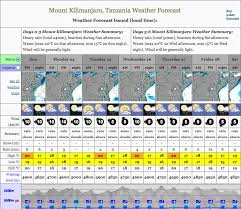
Understanding the weather on Mount Kilimanjaro is essential for a successful and comfortable climb. Unlike typical mountains, Kilimanjaro has multiple climate zones, meaning you will experience different weather conditions as you ascend. This guide explains everything you need to know about Kilimanjaro weather, from temperatures and seasons to what to expect during your trek. Overview of Kilimanjaro Weather Kilimanjaro’s weather is influenced by altitude rather than just seasons. As you climb, the climate changes dramatically through five main zones: Each zone has unique weather conditions. Temperature on Kilimanjaro Temperatures vary greatly depending on altitude: The biggest challenge is the rapid temperature drop as you climb higher. Kilimanjaro Climate Zones Explained 1. Rainforest Zone (Warm and Wet) This is the wettest part of the mountain and often muddy. 2. Moorland Zone (Cool and Open) Weather becomes more stable here. 3. Alpine Desert Zone (Dry and Extreme) This zone has extreme temperature differences. 4. Arctic Zone (Freezing Summit) This is the harshest environment on Kilimanjaro. Rainy and Dry Seasons Kilimanjaro has two main rainy seasons and two dry seasons: Rainy Seasons Conditions: Dry Seasons (Best Time to Climb) Conditions: These are the most popular times for trekking. Summit Night Weather Summit night is the most challenging part in terms of weather: You start climbing at midnight in extreme cold and reach the summit at sunrise. Weather Challenges on Kilimanjaro Climbers should be prepared for: Weather can change quickly, even within a single day. What to Wear for Kilimanjaro Weather Layering is the key to staying comfortable: Additional essentials: Tips for Dealing with Kilimanjaro Weather Best Time to Climb Kilimanjaro The best weather conditions are typically during: Avoid peak rainy months unless you are experienced. Why Weather Matters Weather plays a major role in: Being prepared for all conditions increases your success rate. Final Thoughts The weather on Mount Kilimanjaro is as diverse as the mountain itself. From warm rainforest humidity to freezing summit winds, you will experience multiple climates in just a few days. With proper preparation, the right gear, and a flexible mindset, you can handle these changing conditions and fully enjoy the adventure.

Kilimanjaro Weather Condition Guide Read Post »

tanzania budget safari

Kilimanjaro Rainforest Zone Trekking

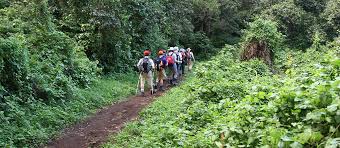
Trekking through the rainforest zone is the first and one of the most fascinating stages of climbing Mount Kilimanjaro. This lush, green environment is full of life, offering a sharp contrast to the dry and icy landscapes found higher up the mountain. For many climbers, the rainforest zone is where the adventure truly begins. Overview of the Rainforest Zone The rainforest zone is the lowest ecological zone on Kilimanjaro, typically found between: This area receives the highest rainfall on the mountain, creating a dense tropical forest ecosystem rich in plant and animal life. What Makes the Rainforest Zone Unique? 1. Lush Green Vegetation The forest is dense and vibrant, featuring: The trail often feels like a tunnel of greenery, providing shade and a cool atmosphere despite the humidity. 2. Rich Wildlife This is the best zone on Kilimanjaro for wildlife viewing. You may encounter: The sounds of birds and insects create a lively natural environment. 3. Warm and Humid Climate Unlike the cold summit, the rainforest zone is: Rain can fall at any time, even in the dry season. 4. Gentle Trekking Terrain The trails in this zone are generally: This makes it a comfortable introduction to the climb. Routes That Pass Through the Rainforest Most Kilimanjaro routes begin in this zone, including: Each route offers a slightly different rainforest experience. Challenges in the Rainforest Zone Despite being the easiest section in terms of altitude, there are some challenges: Being prepared will help you stay comfortable. What to Wear To stay dry and comfortable, wear: Avoid cotton, as it absorbs moisture and dries slowly. Essential Gear Tips for Trekking the Rainforest Zone Transition to Higher Zones As you climb higher: You will gradually enter the moorland zone, where the landscape changes dramatically. Why the Rainforest Zone Is Important The rainforest zone is more than just the starting point of the climb: It sets the tone for the entire Kilimanjaro journey. Final Thoughts Kilimanjaro rainforest zone trekking is an unforgettable experience filled with greenery, wildlife, and natural beauty. It may be the lowest part of the mountain, but it is one of the richest in life and scenery. As you leave the forest behind and continue your climb, you’ll carry with you the memory of this vibrant and peaceful beginning to your adventure.

Kilimanjaro Rainforest Zone Trekking Read Post »

Cheapest Way to Climb Mount Kilimanjaro

Cheapest Way to Climb Mount Kilimanjaro

Climbing Mount Kilimanjaro in Tanzania is a dream for many travelers, but it is often seen as expensive. The good news is that it is possible to reduce costs significantly if you plan carefully and make smart choices. The key is understanding where money goes and how to minimize unnecessary expenses while still climbing safely. 1. Choose the Most Budget-Friendly Route The route you choose has a big impact on the total cost. 2. Join a Group Climb One of the biggest cost-saving strategies is joining a group instead of climbing solo. If you are flexible with dates, group tours are the cheapest option available. 3. Book Directly with Local Operators Booking through international travel agencies increases the price significantly. To save money: 4. Choose a Shorter Itinerary (Carefully) Shorter trips are cheaper, but they may reduce your chances of reaching the summit. If your goal is saving money, this is a major factor—but balance it with safety. 5. Travel in Low Season Prices often drop during low tourist seasons. 6. Rent Gear Instead of Buying Buying full trekking equipment is expensive. To save: 7. Avoid Extra Luxury Add-ons Many companies offer upgrades that increase cost: If your goal is budget climbing, stick to basic packages. 8. Prepare Physically Before Travel Good fitness reduces the need for extra support or emergency changes in plan. 9. Estimate Real Budget Range A budget Kilimanjaro climb usually costs: Final Thoughts The cheapest way to climb Mount Kilimanjaro is to:

Cheapest Way to Climb Mount Kilimanjaro Read Post »

Scroll to Top
0

Subtotal