
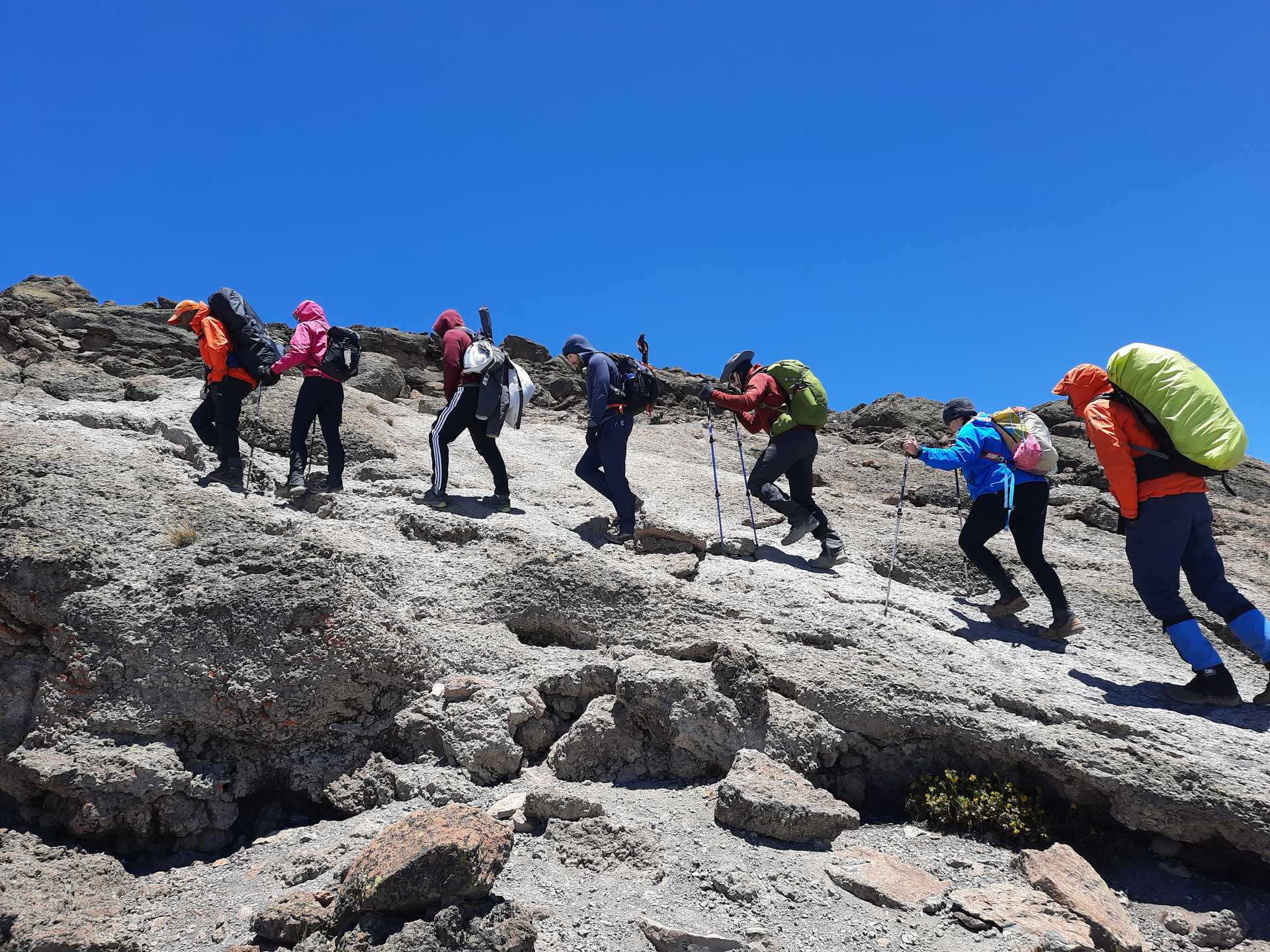
The Lemosho Route is widely considered one of the best ways to climb Mount Kilimanjaro. Known for its stunning scenery, low traffic at the start, and high success rates, this route offers a gradual ascent that helps trekkers acclimatize properly.
This detailed 8-day trekking guide will walk you through everything you need to know—from the itinerary to tips for a successful summit.
Why Choose the Lemosho Route?
The Lemosho Route stands out for several reasons:
- High success rate due to better acclimatization
- Beautiful landscapes including rainforest, moorland, and alpine desert
- Less crowded start compared to popular routes like Machame
- Approach from the western side of Kilimanjaro
It eventually merges with the Machame Route, giving trekkers the best of both worlds.
Lemosho Route 8 Days Itinerary
Day 1: Londorossi Gate to Mti Mkubwa Camp
- Altitude: 2,100m → 2,750m
- Distance: 6 km
- Time: 3–4 hours
You begin your trek at Londorossi Gate with registration procedures, then drive to the trailhead. The hike starts through dense rainforest where you may spot monkeys and exotic birds.
Day 2: Mti Mkubwa Camp to Shira 1 Camp
- Altitude: 2,750m → 3,500m
- Distance: 8 km
- Time: 5–6 hours
The trail gradually leaves the forest and enters the moorland zone. You’ll get your first views of the Shira Plateau.
Day 3: Shira 1 Camp to Shira 2 Camp
- Altitude: 3,500m → 3,850m
- Distance: 7 km
- Time: 3–4 hours
A relatively short day for acclimatization. You’ll cross the Shira Plateau with stunning views of the mountain.
Day 4: Shira 2 Camp to Lava Tower to Barranco Camp
- Altitude: 3,850m → 4,630m → 3,960m
- Distance: 10 km
- Time: 6–7 hours
This is a key acclimatization day: climb high to Lava Tower, then descend to Barranco Camp. This “climb high, sleep low” strategy is crucial for success.
Day 5: Barranco Camp to Karanga Camp
- Altitude: 3,960m → 4,035m
- Distance: 5 km
- Time: 4–5 hours
You’ll tackle the famous Barranco Wall—a steep but non-technical climb. The views are breathtaking.
Day 6: Karanga Camp to Barafu Camp
- Altitude: 4,035m → 4,640m
- Distance: 4 km
- Time: 3–4 hours
A shorter trekking day to prepare for the summit. Rest early as you’ll start your summit attempt at midnight.
Day 7: Barafu Camp to Uhuru Peak to Mweka Camp
- Altitude: 4,640m → 5,895m → 3,100m
- Distance: 17 km
- Time: 10–14 hours
Summit day! You’ll climb through the night to reach Uhuru Peak, the highest point in Africa. After celebrating, descend to Mweka Camp.
Day 8: Mweka Camp to Mweka Gate
- Altitude: 3,100m → 1,640m
- Distance: 10 km
- Time: 3–4 hours
A final descent through the rainforest to Mweka Gate where you receive your summit certificate.
Best Time to Climb
The best months to trek Kilimanjaro via Lemosho are:
- January to March (cooler, quieter)
- June to October (dry season, most popular)
Avoid April, May, and November due to heavy rains.
Difficulty Level
- Moderate to challenging
- Suitable for beginners with good fitness
- No technical climbing required
The 8-day version significantly improves your chances of reaching the summit compared to shorter itineraries.
What to Pack
Essential items include:
- Warm layers (temperatures drop below freezing at the summit)
- Waterproof jacket and pants
- Hiking boots
- Sleeping bag (-10°C or lower)
- Headlamp for summit night
- Trekking poles
Tips for Success
- Go slowly (Pole Pole) to conserve energy
- Stay hydrated (3–4 liters per day)
- Listen to your guide
- Train beforehand (cardio + hiking)
- Eat well even if you lose appetite
Cost of Lemosho Route (8 Days)
Typical price range:
- $2,500 – $4,500 per person
Cost includes:
- Park fees
- Guides and porters
- Meals and camping equipment
Final Thoughts
The Lemosho Route 8-day trek offers one of the most scenic and successful paths to the summit of Mount Kilimanjaro. Its gradual ascent, diverse landscapes, and lower crowds make it ideal for both first-time trekkers and experienced hikers.
If you’re looking for the best balance of beauty, acclimatization, and summit success—this route is hard to beat.

