General

16

Kilimanjaro Climbing Mistakes to Avoid

Climbing Mount Kilimanjaro is a life-changing adventure, but many trekkers underestimate the challenges involved. While it’s one of the most accessible high-altitude peaks in the world, simple mistakes can turn your dream climb into a difficult or even dangerous experience. Here are the most common Kilimanjaro climbing mistakes—and how to avoid them. 1. Underestimating the Altitude The biggest challenge on Kilimanjaro is not distance—it’s altitude. Many climbers focus on fitness but ignore how their bodies will react to thinner oxygen levels. Mistake: Ignoring symptoms like headaches, nausea, or dizziness.Avoid it: Take altitude sickness seriously. Ascend slowly, follow your guide’s advice, and consider routes with better acclimatization profiles like the Lemosho or Northern Circuit. 2. Choosing the Wrong Route Not all routes offer the same success rate or experience. Mistake: Picking the cheapest or shortest route without research.Avoid it: Choose a route that matches your fitness level and gives you enough time to acclimatize. Longer routes often increase your chances of reaching the summit. 3. Skipping Physical Preparation Even though Kilimanjaro doesn’t require technical climbing, it still demands endurance. Mistake: Thinking you can “just walk it.”Avoid it: Train in advance with cardio, hiking, and strength exercises. Practice walking long distances with a backpack. 4. Packing the Wrong Gear Your gear can make or break your climb. Mistake: Bringing poor-quality or inappropriate equipment.Avoid it: Invest in proper hiking boots, warm clothing, and layered outfits. Temperatures range from tropical heat to freezing conditions near the summit. 5. Not Drinking Enough Water Hydration is critical at high altitude. Mistake: Drinking only when you feel thirsty.Avoid it: Aim for 3–4 liters of water daily to help your body adjust and reduce altitude sickness risk. 6. Ignoring Acclimatization Rules The golden rule of high-altitude trekking is: “climb high, sleep low.” Mistake: Rushing the climb to save time or money.Avoid it: Choose itineraries that allow gradual altitude gain and rest days. 7. Hiring the Cheapest Operator Cost-cutting can lead to poor service and unsafe conditions. Mistake: Booking with unverified or low-cost operators.Avoid it: Choose reputable companies with experienced guides, proper equipment, and ethical porter treatment. 8. Not Listening to Your Guide Your guide’s experience is crucial for your safety and success. Mistake: Ignoring advice about pace, hydration, or altitude symptoms.Avoid it: Follow the “pole pole” (slowly, slowly) pace and trust your guide’s decisions. 9. Wearing New or Unbroken Boots Foot problems are common and preventable. Mistake: Using brand-new hiking boots during the climb.Avoid it: Break in your boots before the trek to avoid blisters and discomfort. 10. Poor Nutrition During the Trek Your body needs energy to cope with altitude and long hiking days. Mistake: Skipping meals or not eating enough.Avoid it: Eat regularly, even if your appetite decreases. Bring snacks like energy bars and nuts. 11. Mental Unpreparedness Kilimanjaro is as much a mental challenge as a physical one. Mistake: Not preparing for long, tiring days and summit night challenges.Avoid it: Stay positive, set realistic expectations, and focus on one step at a time. 12. Ignoring Weather Conditions Weather on Kilimanjaro can change rapidly. Mistake: Not checking seasonal conditions before booking.Avoid it: Plan your climb during the best months (January–March or June–October) for better weather and visibility. Final Thoughts Climbing Mount Kilimanjaro is an unforgettable experience, but preparation is everything. Avoiding these common mistakes will not only improve your chances of reaching the summit but also ensure a safer and more enjoyable journey. With the right mindset, proper planning, and guidance, you’ll be well on your way to standing on the “Roof of Africa.”

Kilimanjaro Climbing Mistakes to Avoid Read Post »
Ultimate Tanzania Safari Travel Guide

Kilimanjaro Safety Tips Guide

Climbing Mount Kilimanjaro is a rewarding adventure, but it also comes with real risks due to altitude, weather, and physical demands. Proper preparation and awareness are essential to ensure a safe and successful trek. This guide covers the most important safety tips every climber should follow. 1. Choose the Right Route Not all routes are equal in terms of safety. Safer options: Examples: Avoid very short itineraries, as they increase the risk of altitude sickness. 2. Acclimatize Properly The biggest risk on Kilimanjaro is Altitude Sickness. To reduce risk: Never rush your ascent. 3. Listen to Your Guide Guides are trained and experienced in mountain safety. Always: They are responsible for your safety on Mount Kilimanjaro. 4. Stay Hydrated Dehydration worsens altitude sickness. Hydration helps your body adjust to altitude. 5. Eat Properly Loss of appetite is common at altitude, but food is essential. Energy levels are crucial for long trekking days. 6. Pack the Right Gear Proper equipment keeps you safe in extreme conditions. Essential items: Weather changes quickly, so be prepared. 7. Protect Yourself from Cold Temperatures at the summit can drop below -15°C. To stay safe: Cold exposure can lead to serious conditions if ignored. 8. Be Aware of Altitude Symptoms Recognize early signs of Altitude Sickness: Severe symptoms: If symptoms worsen, descend immediately. 9. Take It Slow Speed is not important—consistency is. Going too fast is one of the main reasons climbers fail. 10. Protect Against Sun Exposure At high altitude, UV radiation is very strong. Even in cold weather, sunburn is a real risk. 11. Get Travel Insurance Always have insurance that covers: This is a critical safety requirement. 12. Train Before the Climb Physical preparation reduces risks. Good fitness improves your overall safety. 13. Respect the Mountain Mount Kilimanjaro is not technical, but it is still dangerous. Stay humble and prepared. 14. Use a Reputable Tour Operator A good operator ensures: Avoid choosing based only on price. Final Thoughts Climbing Mount Kilimanjaro is achievable for many people, but safety must always come first. With the right preparation, proper pacing, and respect for altitude, you can minimize risks and enjoy an incredible adventure. Remember: reaching the summit is optional, but returning safely is mandatory.

Kilimanjaro Safety Tips Guide Read Post »

Serengeti Safari Package

honeymoon wildlife safari and tanzania

Rising above the plains of northern Tanzania, Mount Kilimanjaro is one of the most iconic natural landmarks in the world. Known as Africa’s highest peak, it attracts thousands of climbers, researchers, and travelers every year. Beyond its beauty, Kilimanjaro carries a fascinating mix of geography, culture, and history. Basic Facts About Kilimanjaro Kilimanjaro is not a single peak but a massif made up of three volcanic cones: The summit, known as Uhuru Peak, is located on Kibo and is the ultimate goal for climbers. Unique Natural Features Kilimanjaro is famous for its five ecological zones, which climbers pass through as they ascend: This dramatic change in climate over a short distance makes Kilimanjaro one of the most diverse trekking experiences in the world. Another striking feature is its glaciers and ice fields. Although shrinking due to climate change, these ice caps remain a defining symbol of the mountain. Historical Background Early Local Significance For centuries, Kilimanjaro has been deeply important to local communities like the Chagga people, who live on its slopes. They relied on its fertile land and water sources for agriculture and survival. First Recorded Sightings Kilimanjaro was largely unknown to the outside world until European explorers documented it in the 19th century. In 1848, German missionary Johannes Rebmann became one of the first Europeans to report seeing a snow-capped mountain near the equator—something many initially doubted. First Successful Ascent The first confirmed successful climb to the summit was in 1889 by: They reached the highest point on Kibo, marking a major milestone in African exploration. Colonial and Modern Era During German colonial rule, Kilimanjaro became a symbol of exploration and prestige. After Tanzania gained independence in 1961, the summit was renamed Uhuru Peak, with “Uhuru” meaning freedom in Swahili. Today, the mountain is a source of national pride and a major contributor to Tanzania’s tourism industry. Cultural and Global Importance Kilimanjaro is not just a mountain—it is a cultural icon. It has inspired books, films, and travelers worldwide. One of the most famous literary works referencing it is The Snows of Kilimanjaro by Ernest Hemingway. It also plays a key role in: Fun and Lesser-Known Facts Conclusion Mount Kilimanjaro stands as a powerful blend of natural wonder, historical significance, and cultural heritage. From ancient local traditions to modern-day adventures, it continues to inspire those who dream of reaching new heights—both physically and spiritually.

honeymoon wildlife safari and tanzania Read Post »

Kilimanjaro Trekking Itinerary Sample

honeymoon safari Tanzania package

A honeymoon safari in Tanzania is one of those rare travel experiences that feels both adventurous and deeply romantic at the same time. You’re not just going on a trip—you’re stepping into vast wild landscapes, watching wildlife together at sunrise, and ending your days under endless African skies. Here’s a well-structured article you can use for your website or blog: Honeymoon Safari Tanzania Package: A Romantic Journey into the Wild A honeymoon safari in Tanzania offers couples a perfect blend of romance, adventure, and luxury. From breathtaking wildlife encounters to serene beach escapes, Tanzania is one of Africa’s top honeymoon destinations. Whether you dream of watching lions roam the plains or relaxing on white sandy beaches, a Tanzania honeymoon safari package delivers unforgettable moments. Why Choose Tanzania for Your Honeymoon Safari? Tanzania stands out for its diversity. You can experience world-famous national parks and then unwind on tropical islands—all in one trip. Top highlights include: This combination makes Tanzania ideal for couples seeking both safari and relaxation. What’s Included in a Honeymoon Safari Package? Most Tanzania honeymoon safari packages are designed to provide comfort, privacy, and memorable experiences. Typical inclusions: Best Destinations for a Romantic Safari Serengeti National Park Serengeti National Park is famous for its vast landscapes and the Great Migration. Couples can enjoy private game drives and witness incredible wildlife together. Ngorongoro Crater The Ngorongoro Crater offers a unique safari experience inside a volcanic caldera filled with animals. It’s one of the best places to see the Big Five. Tarangire National Park Known for its giant baobab trees and large elephant herds, Tarangire National Park provides a quieter, more intimate safari experience. Zanzibar Island After your safari, relax on the beaches of Zanzibar. Enjoy turquoise waters, sunset dhow cruises, and luxury beachfront resorts. Sample 7-Day Honeymoon Safari Itinerary Day 1: Arrival in ArushaDay 2: Safari in Tarangire National ParkDay 3: Explore Ngorongoro CraterDay 4–5: Safari in Serengeti National ParkDay 6–7: Fly to Zanzibar for beach relaxation Best Time for a Honeymoon Safari in Tanzania The best time depends on what you want to experience: Romantic Experiences to Expect A honeymoon safari in Tanzania is full of magical moments: How Much Does a Tanzania Honeymoon Safari Cost? Prices vary depending on luxury level and duration: Costs usually include accommodation, park fees, meals, and guides. Tips for Planning Your Honeymoon Safari Final Thoughts A honeymoon safari in Tanzania is more than just a vacation—it’s a shared adventure that creates lifelong memories. From thrilling wildlife encounters to peaceful beach escapes, Tanzania offers everything you need for the perfect romantic getaway.

honeymoon safari Tanzania package Read Post »

Family Safari Africa Tanzania

honeymoon trip zanzibar and safari

neymoon Trip Zanzibar and Safari: The Perfect Romantic Escape A honeymoon trip combining a safari adventure with a tropical beach escape in Tanzania is one of the most romantic experiences in the world. This unique journey blends thrilling wildlife encounters with peaceful moments on white sandy beaches, making it ideal for newlyweds seeking both adventure and relaxation. From the wild plains of Africa to the turquoise waters of the Indian Ocean, a Zanzibar and safari honeymoon offers unforgettable memories. Why Choose a Zanzibar and Safari Honeymoon? A combined safari and beach honeymoon gives you the best of both worlds. You can spend your days exploring iconic national parks and your evenings relaxing in luxurious seaside resorts. Top reasons couples love this package: Top Safari Destinations for Couples Serengeti National Park Serengeti National Park is world-famous for its vast savannah and incredible wildlife. Couples can enjoy private game drives and witness the Great Migration. Ngorongoro Crater The Ngorongoro Crater offers one of the most unique safari settings on Earth. It’s perfect for spotting the Big Five in a short time. Tarangire National Park Known for large elephant herds and iconic baobab trees, Tarangire National Park provides a quieter, more intimate safari experience. Zanzibar: A Romantic Beach Paradise After your safari, unwind in Zanzibar, a tropical island known for its white sandy beaches and rich culture. Highlights include: Zanzibar is the perfect place to slow down and celebrate your love. Sample 8-Day Honeymoon Itinerary Day 1: Arrival in ArushaDay 2: Safari in Tarangire National ParkDay 3: Explore Ngorongoro CraterDay 4–5: Safari in Serengeti National ParkDay 6: Flight to ZanzibarDay 7–8: Beach relaxation and activities Best Time for a Zanzibar and Safari Honeymoon Romantic Experiences to Enjoy A Zanzibar and safari honeymoon is filled with special moments: Cost of a Zanzibar and Safari Honeymoon Prices vary depending on the level of luxury: Packages typically include accommodation, transfers, park fees, meals, and guided safaris. Tips for Planning Your Honeymoon Trip Final Thoughts A honeymoon trip combining safari and Zanzibar offers the perfect balance of excitement and relaxation. From the wildlife-rich plains of Serengeti National Park to the tranquil beaches of Zanzibar, this journey creates unforgettable memories for couples starting their new life together

honeymoon trip zanzibar and safari Read Post »

Family Safari Africa Tanzania

Kilimanjaro Guide Responsibilities

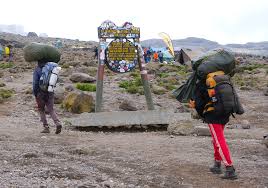
Climbing Mount Kilimanjaro is not just about reaching the summit—it’s a team effort. Behind every successful trek is a group of hardworking porters who carry gear, set up camps, and support climbers throughout the journey. Understanding porter services is essential for anyone planning a trek in Kilimanjaro National Park. Who Are Kilimanjaro Porters? Porters are local Tanzanian workers hired by trekking companies to assist climbers. They are responsible for carrying most of the equipment needed for the trek, including: Without porters, climbing Kilimanjaro would be far more difficult, especially for beginners. What Do Porters Do? Porters play multiple roles on the mountain: 1. Carrying LoadsEach porter carries a load (usually up to 20 kg as per regulations), ensuring climbers can focus on hiking with lighter daypacks. 2. Camp SetupPorters arrive at campsites ahead of climbers to set up tents, prepare sleeping areas, and organize equipment. 3. Meal Preparation SupportWhile cooks handle food, porters assist in transporting ingredients and kitchen gear. 4. General AssistanceThey help with water collection, cleaning, and maintaining camp comfort. Why Porter Services Matter Climbing Kilimanjaro is physically demanding due to altitude and terrain. Porter services: Most importantly, they make the climb accessible to people without mountaineering experience. Ethical Treatment of Porters In the past, porter welfare was a concern. Today, organizations like the Kilimanjaro Porters Assistance Project work to ensure fair treatment. When booking your trek, choose companies that: Supporting ethical companies ensures porters are treated with dignity. How Much Weight Can You Give a Porter? Typically, climbers are allowed to give a porter a duffel bag weighing up to 15 kg. This includes: Anything you need during the day (like water, snacks, camera) should stay in your daypack. Tipping Porters Tipping is a standard and important part of Kilimanjaro trekking culture. It forms a significant portion of a porter’s income. General tipping guidelines (per trek, per climber): Tips are usually collected and distributed at the end of the trek. How Many Porters Do You Need? The number of porters depends on: On average, one climber may be supported by 3–5 porters, along with a guide and a cook. Final Thoughts Porters are the backbone of every Kilimanjaro expedition. Their strength, dedication, and knowledge make it possible for thousands of climbers to reach the summit each year. Choosing a responsible tour operator and treating porters with respect not only improves your experience but also contributes to a more ethical and sustainable trekking industry in Tanzania.

Kilimanjaro Guide Responsibilities Read Post »

Download 13

Kilimanjaro Guide Responsibilities

Climbing Mount Kilimanjaro is a life-changing experience—but success on the mountain depends heavily on one key person: your guide. Whether you’re trekking via the Machame Route or the Marangu Route, professional guides play a crucial role in safety, logistics, and overall experience. This article explains the full range of Kilimanjaro guide responsibilities so you understand just how important they are. 1. Ensuring Climber Safety The top priority of any Kilimanjaro guide is your safety. Climbing to 5,895 meters exposes trekkers to risks like Altitude Sickness. Guides are trained to: Their experience can literally save lives. 2. Leading the Trek Guides are responsible for navigating the mountain and setting the pace. They: Without a guide, it’s not even permitted to climb Kilimanjaro—regulations require all climbers to be accompanied by licensed professionals. 3. Managing the Crew A Kilimanjaro trek involves a team, including porters and cooks. Guides act as team leaders by: Organizations like Kilimanjaro Porters Assistance Project help promote ethical practices, and good guides follow these standards. 4. Providing Technical and Practical Support Even though Kilimanjaro is a non-technical climb, guides assist with: Their practical tips make the journey smoother and more comfortable. 5. Offering Motivation and Emotional Support Climbing Kilimanjaro is as much mental as physical. Guides: Many climbers say their guide was the main reason they reached the summit. 6. Educating Climbers Guides are knowledgeable about the mountain and surrounding environment. They often teach: This turns your climb into a richer, more meaningful experience. 7. Handling Logistics From start to finish, guides manage key logistics: This allows you to focus entirely on the climb. Conclusion Kilimanjaro guides are far more than just pathfinders—they are safety experts, leaders, motivators, and educators. Their responsibilities cover every aspect of the climb, from health monitoring to team coordination. Choosing a professional, experienced guide is one of the most important decisions you’ll make when planning your Kilimanjaro adventure. With the right guide, your journey to the “Roof of Africa” becomes safer, more enjoyable, and ultimately successful.

Kilimanjaro Guide Responsibilities Read Post »

Family Safari Africa Tanzania

Kilimanjaro Guide Responsibilities

Climbing Mount Kilimanjaro is not just about reaching the summit—it’s a team effort. Behind every successful trek is a group of hardworking porters who carry gear, set up camps, and support climbers throughout the journey. Understanding porter services is essential for anyone planning a trek in Kilimanjaro National Park. Who Are Kilimanjaro Porters? Porters are local Tanzanian workers hired by trekking companies to assist climbers. They are responsible for carrying most of the equipment needed for the trek, including: Without porters, climbing Kilimanjaro would be far more difficult, especially for beginners. What Do Porters Do? Porters play multiple roles on the mountain: 1. Carrying LoadsEach porter carries a load (usually up to 20 kg as per regulations), ensuring climbers can focus on hiking with lighter daypacks. 2. Camp SetupPorters arrive at campsites ahead of climbers to set up tents, prepare sleeping areas, and organize equipment. 3. Meal Preparation SupportWhile cooks handle food, porters assist in transporting ingredients and kitchen gear. 4. General AssistanceThey help with water collection, cleaning, and maintaining camp comfort. Why Porter Services Matter Climbing Kilimanjaro is physically demanding due to altitude and terrain. Porter services: Most importantly, they make the climb accessible to people without mountaineering experience. Ethical Treatment of Porters In the past, porter welfare was a concern. Today, organizations like the Kilimanjaro Porters Assistance Project work to ensure fair treatment. When booking your trek, choose companies that: Supporting ethical companies ensures porters are treated with dignity. How Much Weight Can You Give a Porter? Typically, climbers are allowed to give a porter a duffel bag weighing up to 15 kg. This includes: Anything you need during the day (like water, snacks, camera) should stay in your daypack. Tipping Porters Tipping is a standard and important part of Kilimanjaro trekking culture. It forms a significant portion of a porter’s income. General tipping guidelines (per trek, per climber): Tips are usually collected and distributed at the end of the trek. How Many Porters Do You Need? The number of porters depends on: On average, one climber may be supported by 3–5 porters, along with a guide and a cook. Final Thoughts Porters are the backbone of every Kilimanjaro expedition. Their strength, dedication, and knowledge make it possible for thousands of climbers to reach the summit each year. Choosing a responsible tour operator and treating porters with respect not only improves your experience but also contributes to a more ethical and sustainable trekking industry in Tanzania.

Kilimanjaro Guide Responsibilities Read Post »

Family Safari Africa Tanzania

Kilimanjaro Porter Services Explained

Climbing Mount Kilimanjaro is not just about reaching the summit—it’s a team effort. Behind every successful trek is a group of hardworking porters who carry gear, set up camps, and support climbers throughout the journey. Understanding porter services is essential for anyone planning a trek in Kilimanjaro National Park. Who Are Kilimanjaro Porters? Porters are local Tanzanian workers hired by trekking companies to assist climbers. They are responsible for carrying most of the equipment needed for the trek, including: Without porters, climbing Kilimanjaro would be far more difficult, especially for beginners. What Do Porters Do? Porters play multiple roles on the mountain: 1. Carrying LoadsEach porter carries a load (usually up to 20 kg as per regulations), ensuring climbers can focus on hiking with lighter daypacks. 2. Camp SetupPorters arrive at campsites ahead of climbers to set up tents, prepare sleeping areas, and organize equipment. 3. Meal Preparation SupportWhile cooks handle food, porters assist in transporting ingredients and kitchen gear. 4. General AssistanceThey help with water collection, cleaning, and maintaining camp comfort. Why Porter Services Matter Climbing Kilimanjaro is physically demanding due to altitude and terrain. Porter services: Most importantly, they make the climb accessible to people without mountaineering experience. Ethical Treatment of Porters In the past, porter welfare was a concern. Today, organizations like the Kilimanjaro Porters Assistance Project work to ensure fair treatment. When booking your trek, choose companies that: Supporting ethical companies ensures porters are treated with dignity. How Much Weight Can You Give a Porter? Typically, climbers are allowed to give a porter a duffel bag weighing up to 15 kg. This includes: Anything you need during the day (like water, snacks, camera) should stay in your daypack. Tipping Porters Tipping is a standard and important part of Kilimanjaro trekking culture. It forms a significant portion of a porter’s income. General tipping guidelines (per trek, per climber): Tips are usually collected and distributed at the end of the trek. How Many Porters Do You Need? The number of porters depends on: On average, one climber may be supported by 3–5 porters, along with a guide and a cook. Final Thoughts Porters are the backbone of every Kilimanjaro expedition. Their strength, dedication, and knowledge make it possible for thousands of climbers to reach the summit each year. Choosing a responsible tour operator and treating porters with respect not only improves your experience but also contributes to a more ethical and sustainable trekking industry in Tanzania.

Kilimanjaro Porter Services Explained Read Post »

11

Kilimanjaro Acclimatization Tips

Climbing Mount Kilimanjaro is an incredible adventure, but one of the biggest challenges trekkers face is altitude. At 5,895 meters (19,341 feet), the mountain’s thin air can affect anyone—no matter how fit you are. Proper acclimatization is the key to reaching the summit safely and successfully. Here’s a complete guide to help you adjust to the altitude and increase your chances of making it to Uhuru Peak. What is Acclimatization? Acclimatization is the process by which your body adapts to lower oxygen levels at high altitude. As you climb higher on Kilimanjaro, the air pressure decreases, meaning your body gets less oxygen with each breath. Without proper acclimatization, you risk developing Acute Mountain Sickness (AMS), which can cause headaches, nausea, dizziness, and fatigue. 1. Choose a Longer Route One of the best ways to acclimatize is by giving your body enough time to adjust. Longer routes offer better success rates because they include more days on the mountain. Popular routes with good acclimatization profiles: Avoid very short routes, as they increase the risk of altitude sickness. 2. Follow the “Climb High, Sleep Low” Rule This principle helps your body adapt more efficiently. During the day, you hike to a higher altitude, then descend slightly to sleep. For example, on routes like the Machame Route, you might hike up to Lava Tower and then descend to Barranco Camp to sleep. This gradual exposure improves oxygen efficiency in your body. 3. Go Slowly (Pole Pole) On Kilimanjaro, slow and steady wins the race. The local phrase “pole pole” (meaning “slowly slowly”) is essential for acclimatization. Walking slowly: Even if you feel strong at the start, rushing can lead to serious altitude problems later. 4. Stay Hydrated Dehydration can make altitude sickness worse. Drink at least 3–4 liters of water daily during your climb. Tips: Proper hydration helps your body transport oxygen more efficiently. 5. Eat Well, Even Without Appetite At high altitude, your appetite may decrease—but your body still needs energy. Focus on: Good nutrition supports your body’s adaptation to altitude. 6. Consider Acclimatization Days Some itineraries include extra rest days to help your body adjust. These days can significantly increase your summit success rate. For example, routes like the Lemosho Route often include built-in acclimatization days. 7. Recognize Symptoms Early Knowing the signs of altitude sickness can save your life. Common symptoms of Acute Mountain Sickness: If symptoms worsen, it’s important to stop ascending or descend immediately. 8. Consider Medication (If Needed) Some climbers use medications like Acetazolamide (Diamox) to help prevent altitude sickness. Important: 9. Get Proper Sleep Rest is crucial for recovery and acclimatization. While sleeping at altitude can be challenging, try to: 10. Listen to Your Guide Experienced Kilimanjaro guides are trained to monitor your health and pace. Always follow their advice—they understand the mountain better than anyone. Final Thoughts Reaching the summit of Mount Kilimanjaro is not just about strength—it’s about strategy and patience. By following these acclimatization tips, you greatly improve your chances of a safe and successful climb. Remember: it’s not a race. Take your time, respect the altitude, and enjoy every step of the journey.

Kilimanjaro Acclimatization Tips Read Post »

Scroll to Top
0

Subtotal