

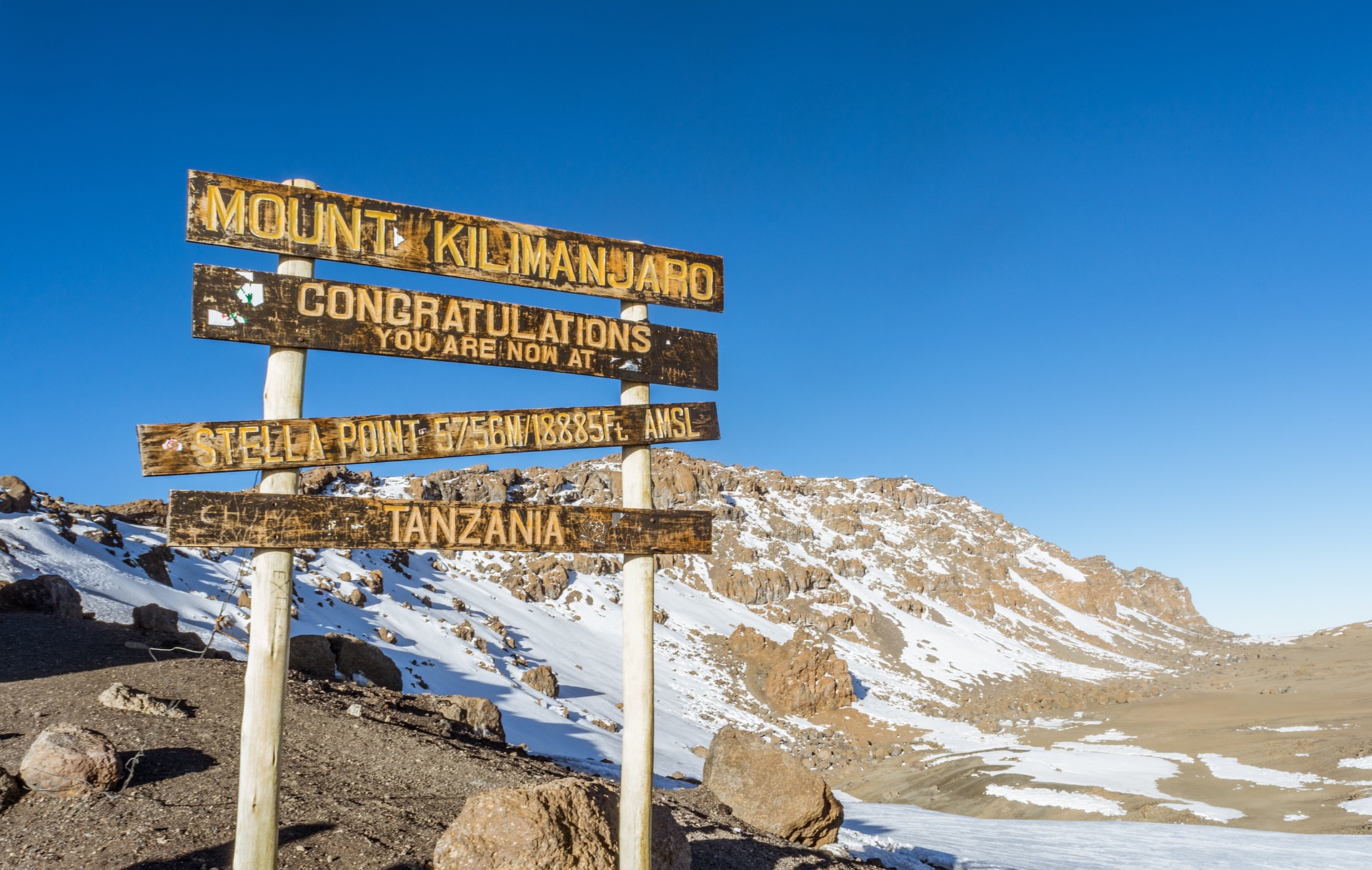
Climbing Mount Kilimanjaro is one of the most iconic trekking experiences in the world, but choosing the right route can make a huge difference in your success, enjoyment, and acclimatization. There are several established routes, each with different scenery, difficulty levels, crowds, and success rates.
Below is a clear breakdown of the main Kilimanjaro routes and guidance on which one is the best for different types of climbers.
1. Marangu Route (The “Coca-Cola Route”)
Overview:
Marangu is the oldest and most established route on Kilimanjaro. It is the only route with hut accommodation instead of tents.
Duration: 5–6 days
Difficulty: Moderate
Scenery: Less varied
Crowds: High
Pros:
- Sleeping huts (more comfort)
- Easier logistics
- Shorter duration option
Cons:
- Lower summit success rate (due to poor acclimatization time)
- Crowded trail
- Less scenic compared to others
Best for: Budget climbers who prefer huts over camping.
2. Machame Route (The “Whiskey Route”)
Overview:
Machame is the most popular route due to its beautiful scenery and high success rate.
Duration: 6–7 days
Difficulty: Challenging
Scenery: Excellent (rainforest, alpine desert, glaciers)
Crowds: High
Pros:
- Very scenic
- Good acclimatization profile (“climb high, sleep low”)
- High summit success rate
Cons:
- Steeper trails
- Busy route
Best for: First-time trekkers looking for a balanced challenge and scenery.
3. Lemosho Route (The Scenic & Best Overall Route)
Overview:
Lemosho is considered one of the most beautiful and successful routes on Kilimanjaro.
Duration: 7–8 days
Difficulty: Moderate
Scenery: Excellent (remote wilderness at start)
Crowds: Low at beginning, moderate later
Pros:
- Highest summit success rate
- Stunning scenery and wildlife at the start
- Excellent acclimatization time
- Less crowded early stages
Cons:
- More expensive
- Longer trek
Best for: Most trekkers — especially beginners wanting the highest success chance.
4. Rongai Route (The Dry Northern Route)
Overview:
Rongai approaches Kilimanjaro from the northern side near the Kenya border.
Duration: 6–7 days
Difficulty: Moderate
Scenery: Dry and less lush
Crowds: Low
Pros:
- Least rainfall (dry route)
- Quiet and remote
- Gentle ascent
Cons:
- Less scenic variety
- Lower acclimatization experience than Lemosho/Machame
Best for: Climbers who prefer solitude and dry conditions.
5. Umbwe Route (The Steepest Route)
Overview:
Umbwe is the shortest and steepest route on Kilimanjaro.
Duration: 5–6 days
Difficulty: Very difficult
Scenery: Beautiful but limited time to enjoy it
Crowds: Very low
Pros:
- Very quiet trail
- Fast ascent for experienced climbers
Cons:
- Poor acclimatization
- Lowest success rate among routes
Best for: Experienced mountaineers, not beginners.
6. Northern Circuit Route (Longest & Most Successful)
Overview:
The Northern Circuit is the longest route and circles the mountain’s quieter northern slopes.
Duration: 8–9 days
Difficulty: Moderate
Scenery: Exceptional
Crowds: Very low
Pros:
- Highest summit success rate of all routes
- Very gradual ascent (best acclimatization)
- Least crowded route
Cons:
- Longest duration
- Higher cost
Best for: Climbers who want the safest and most successful summit option.
So, Which Kilimanjaro Route Is the Best?
The “best” route depends on your priorities:
- Best overall (success + scenery): Lemosho Route
- Best for beginners: Lemosho or Machame
- Best for success rate: Northern Circuit Route
- Best budget option: Marangu Route
- Best for solitude: Rongai Route
- Best for experienced climbers: Umbwe Route

