Tanzania Travel Blog

Tanzania Solo Travel Tips

Tanzania Solo Travel Tips

raveling solo in Tanzania can be one of the most rewarding experiences in East Africa. From the beaches of Zanzibar to the vast plains of the Serengeti and the bustling energy of Dar es Salaam, the country offers incredible diversity. However, solo travel also requires preparation, awareness, and smart decision-making. Here are essential tips to help you explore Tanzania confidently on your own. 1. Choose Your Destinations Wisely Tanzania is large and diverse, so start with well-traveled and tourist-friendly areas if you’re a first-time solo traveler. Popular solo-friendly destinations include: These areas have better infrastructure, more tour operators, and easier navigation for solo travelers. 2. Book Reliable Accommodation As a solo traveler, safety starts with where you stay. Choose: In places like Arusha and Zanzibar, many lodges also help arrange tours, which is helpful if you’re traveling alone. 3. Use Trusted Transport Options Transportation can be tricky if you are unfamiliar with local systems. If you’re traveling between cities like Dar es Salaam and Arusha, consider domestic flights for convenience and safety. 4. Be Aware of Your Surroundings Like many countries, Tanzania is generally safe for tourists, but basic caution is important: 5. Respect Local Culture Tanzania is welcoming, but cultural respect goes a long way: 6. Stay Connected Make sure you have: Mobile coverage is generally good in cities and tourist areas, but can be weak in remote safari parks. 7. Join Group Tours When Needed Solo doesn’t always mean completely alone. In Tanzania, group tours are a great way to: This is especially useful for destinations like Serengeti and Ngorongoro where guided travel is required. 8. Manage Money Smartly 9. Health and Safety Preparation Before traveling: 10. Embrace the Experience Solo travel in Tanzania is not just about safety—it’s about freedom: Take time to enjoy moments without rushing. Final Thoughts Solo travel in Tanzania is safe, exciting, and deeply enriching when done with preparation and awareness. Whether you’re exploring beaches, mountains, or wildlife parks, the country offers unforgettable experiences for independent travelers. If you plan wisely and stay alert, your solo journey in Tanzania can become one of the best travel experiences of your life.

Tanzania Solo Travel Tips Read Post »

Kilimanjaro Airport to Arusha Transfer Options

Kilimanjaro Airport to Arusha Transfer Options

Traveling from Kilimanjaro International Airport to Arusha is one of the first steps for many visitors starting their Tanzania safari, mountain climbing adventure, or beach holiday. The distance between the airport and Arusha city is approximately 50 kilometers, and the journey usually takes between 1 to 1.5 hours depending on traffic and weather conditions. Fortunately, travelers can choose from several convenient transfer options based on budget, comfort, and travel style. Private Airport Transfers Private transfers are the most comfortable and reliable option for travelers arriving at Kilimanjaro Airport. Many tour companies and hotels arrange private pickups using comfortable safari vehicles, SUVs, or minibuses. A professional driver waits at the arrival terminal with a name sign, helping guests avoid confusion after landing. Private transfers are ideal for families, honeymooners, business travelers, and safari groups because they provide direct transport to hotels, lodges, or safari starting points in Arusha. They also offer flexibility for late-night arrivals and extra luggage. Benefits of private transfers include: Shared Shuttle Services Shared shuttle buses are a popular budget-friendly transfer option between Kilimanjaro Airport and Arusha. Travelers share the vehicle with other passengers heading to different hotels or destinations in the city. Although the journey may take slightly longer due to multiple stops, shuttle services are affordable and widely used by backpackers and solo travelers. Most shuttles operate on scheduled departure times aligned with major flight arrivals. Advance booking is recommended, especially during peak safari seasons. Shared shuttle advantages include: Taxi Services Taxis are available outside the airport terminal and provide direct transport to Arusha. This option is convenient for travelers who prefer immediate departure without waiting for other passengers. However, taxi prices may vary depending on negotiation, time of day, and luggage size. Before starting the trip, it is important to agree on the fare with the driver. Licensed airport taxis are generally safe and familiar with routes to Arusha hotels and lodges. Car Rental Services Some visitors choose to rent a car directly from the airport, especially travelers planning independent road trips around northern Tanzania. Rental options include standard cars, 4×4 safari vehicles, and luxury SUVs. Self-driving offers flexibility to explore destinations such as: Travelers should ensure they understand Tanzanian driving regulations and road conditions before choosing self-drive options. Hotel and Lodge Transfers Many hotels and safari lodges in Arusha provide airport pickup services for guests. This is often one of the easiest options because the accommodation arranges everything in advance. Drivers usually monitor flight arrival times and adjust pickups in case of delays. Hotel transfers are highly recommended for first-time visitors who want a smooth and stress-free arrival experience. Things to Consider When Choosing a Transfer Before selecting your airport transfer, consider the following: For late-night arrivals or first-time travelers, private transfers are usually the safest and most convenient option. Final Thoughts Choosing the right transfer from Kilimanjaro International Airport to Arusha can make your Tanzania trip more comfortable and enjoyable. Whether you prefer a private transfer, shared shuttle, taxi, hotel pickup, or rental car, there are options available for every type of traveler. Planning your transfer in advance helps ensure a smooth arrival and allows you to start your safari or adventure with peace of mind.

Kilimanjaro Airport to Arusha Transfer Options Read Post »

Swahili Phrases Every Traveler Should Know

Swahili Phrases Every Traveler Should Know

Traveling to East Africa—especially countries like Tanzania—becomes much more enjoyable when you know a few basic Swahili expressions. The local language, Kiswahili, is widely spoken across the region and using even simple phrases can help you connect with people, show respect, and make daily interactions smoother. Here are essential Swahili phrases every traveler should know before visiting. 1. Greetings and Basic Courtesy Greetings are very important in Swahili culture. People often take time to greet before starting any conversation. Using greetings shows politeness and respect, especially in markets, hotels, and villages. 2. Essential Travel Phrases These are helpful when moving around, asking for directions, or interacting with locals. These phrases are especially useful when traveling in cities like Dar es Salaam or Arusha. 3. Transport and Direction If you’re exploring by bus, taxi, or on safari, these phrases will help: 4. Food and Ordering When trying local dishes, Swahili phrases make ordering easier: 5. Emergencies and Help Important in case of urgent situations: 6. Polite Extras That Impress Locals Small words that make a big difference: Final Tip Swahili (Kiswahili) is a friendly and easy-to-learn language. Even if your pronunciation is not perfect, locals appreciate the effort. A simple “Asante” or “Habari” can open doors, spark smiles, and make your travel experience in East Africa much richer.

Swahili Phrases Every Traveler Should Know Read Post »

f

OXYGEN LEVELS AT KILIMANJARO SUMMIT

Oxygen levels at the top of Mount Kilimanjaro are one of the most important factors affecting climbers during the final ascent. At 5,895 meters above sea level, the air is extremely thin, making breathing much harder and physical effort significantly more demanding. At the summit, climbers reach Uhuru Peak, where oxygen availability is dramatically lower than at sea level. This is the main reason altitude sickness and exhaustion become strongest during summit night. HOW LOW IS OXYGEN AT THE SUMMIT? At sea level, oxygen is at 100% availability. But at the summit of Mount Kilimanjaro: This means: Even simple tasks like walking or speaking can feel exhausting. WHY OXYGEN IS LOW AT HIGH ALTITUDE As elevation increases: At low altitude, oxygen is dense and easy to absorb. At high altitude like Mount Kilimanjaro, the opposite happens. This is why climbers experience: HOW THE BODY REACTS TO LOW OXYGEN When oxygen levels drop, the body immediately tries to adapt. COMMON PHYSICAL RESPONSES: These changes help the body survive at high altitude but can also cause discomfort. EFFECTS ON CLIMBERS DURING SUMMIT NIGHT During summit night on Mount Kilimanjaro, oxygen levels are at their lowest and physical stress is highest. CLIMBERS MAY EXPERIENCE: Because of this, climbers are instructed to move very slowly (“pole pole”) toward Uhuru Peak. WHY CLIMBING FEELS SO DIFFICULT At high altitude: This makes climbing feel much harder than at sea level, even if the pace is slow. Many climbers are surprised that fitness level does not fully prevent exhaustion at this altitude. OXYGEN AND ALTITUDE SICKNESS Low oxygen levels are the main cause of altitude sickness on Kilimanjaro. COMMON EFFECTS: If the body cannot adjust properly, Acute Mountain Sickness (AMS) may develop. DO CLIMBERS NEED OXYGEN TANKS? Most climbers do NOT use oxygen tanks on Mount Kilimanjaro. Instead, climbers rely on: Supplemental oxygen is usually reserved for emergencies, not normal trekking. HOW GUIDES MONITOR OXYGEN LEVELS Professional guides on Kilimanjaro often use pulse oximeters to measure oxygen saturation. They monitor: This helps them decide if a climber needs rest or descent for safety. WHY ACCLIMATIZATION IS IMPORTANT Proper acclimatization allows the body to adjust to low oxygen gradually. Without acclimatization: Routes with longer duration provide better oxygen adaptation. Examples: WHAT IT FEELS LIKE AT THE SUMMIT At Uhuru Peak, climbers often describe: Despite this, the view from the top and the sense of achievement make the challenge worthwhile. HOW TO COPE WITH LOW OXYGEN IMPORTANT TIPS: These habits help the body cope better with reduced oxygen levels. FINAL THOUGHTS Oxygen levels at the summit of Mount Kilimanjaro are about half of what they are at sea level, making it a serious physical challenge for climbers. This low oxygen environment is the main reason why summit night feels so demanding. However, with proper acclimatization, slow pacing, and good preparation, many climbers successfully reach Uhuru Peak and safely experience one of the most remarkable high-altitude adventures in the world.

OXYGEN LEVELS AT KILIMANJARO SUMMIT Read Post »

kilimanjaro summit night – what to expect

KILIMANJARO SUMMIT NIGHT – WHAT TO EXPECT

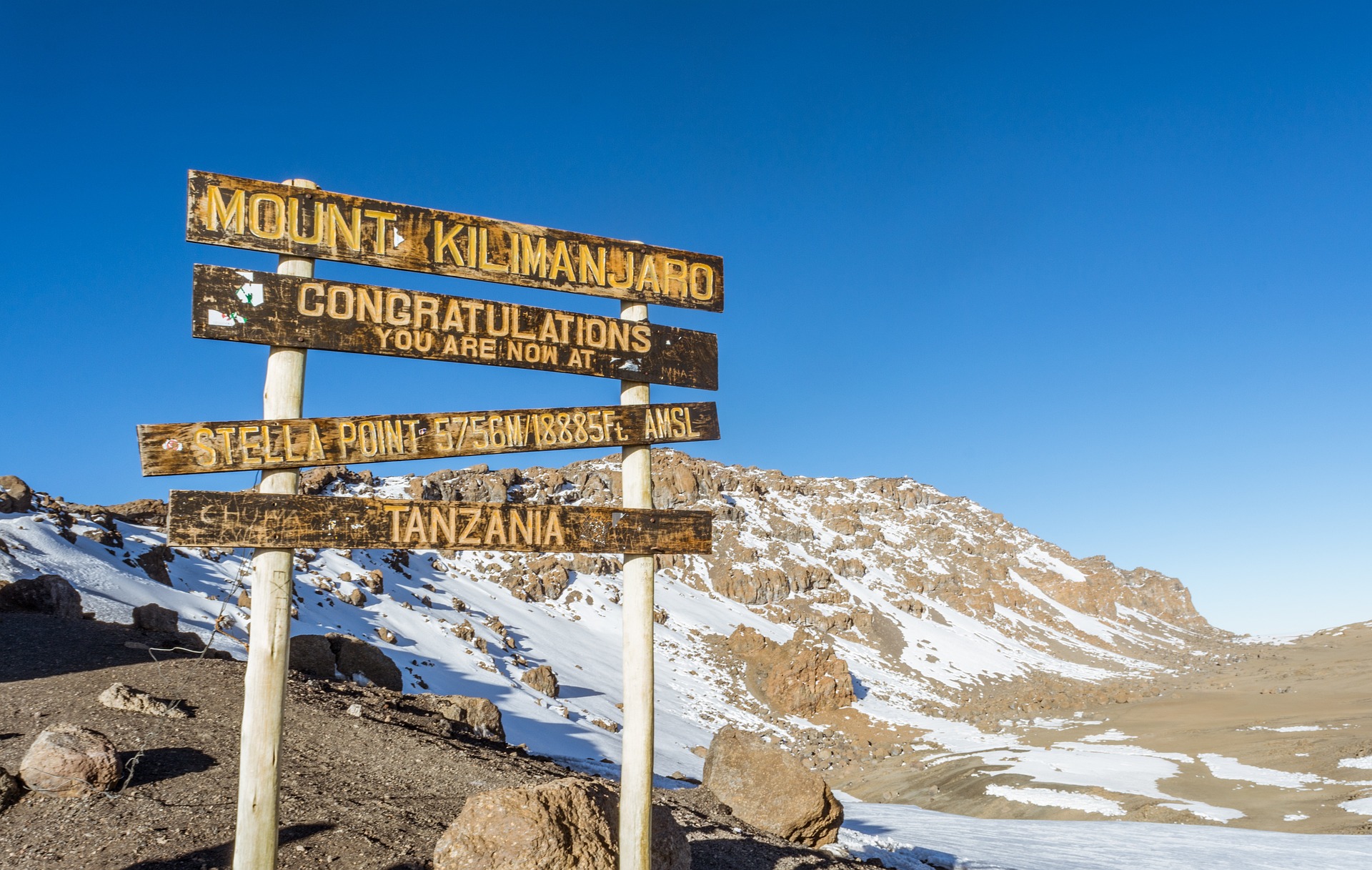
Summit night on Mount Kilimanjaro is the most challenging and unforgettable part of the entire climb. This is the final push to reach Uhuru Peak at 5,895 meters above sea level. It is physically demanding, mentally tough, and takes place in extreme cold and thin oxygen conditions. Most climbers begin the summit attempt around midnight and continue hiking for 6–8 hours before reaching the top at sunrise. WHEN SUMMIT NIGHT STARTS Climbers usually start from high camps such as: TIMELINE: The climb is done mostly at night to avoid strong daytime sun and unstable snow conditions. EXTREME COLD CONDITIONS Summit night is extremely cold on Mount Kilimanjaro. TEMPERATURES CAN DROP TO: CONDITIONS INCLUDE: Proper layering is essential to survive and stay comfortable during the ascent. LOW OXYGEN LEVELS At the summit of Kilimanjaro: This causes: Even simple steps feel difficult because the body receives much less oxygen. PHYSICAL CHALLENGES Summit night is a slow and steady climb that tests endurance. WHAT YOU MAY EXPERIENCE: Most climbers take frequent short breaks to recover and breathe. THE ASCENT TO THE CRATER RIM The first major milestone is reaching the crater rim. From there, climbers continue toward: This section is steep and mentally demanding, but reaching the rim is a major achievement. After Stella Point, it is usually another 1–2 hours of walking to reach the highest point in Africa. FINAL PUSH TO UHURU PEAK The last section to: is less steep but very exhausting due to altitude. WHAT TO EXPECT: Many climbers describe this section as mentally powerful because you are so close to the summit. SUNRISE AT THE SUMMIT Reaching the summit at sunrise is one of the most rewarding moments of the entire journey. EXPERIENCE INCLUDES: After hours of climbing in darkness, the sunrise feels unforgettable. DESCENT AFTER SUMMIT After reaching the top, climbers do not stay long due to extreme cold and altitude conditions. DESCENT TIMELINE: The descent is often physically harder on the knees than the ascent due to steep gravel paths. ALTITUDE SICKNESS DURING SUMMIT NIGHT Summit night is when altitude symptoms are strongest. COMMON SYMPTOMS: Because oxygen is very low, even strong climbers feel exhausted. Guides closely monitor climbers during this stage. HOW TO PREPARE FOR SUMMIT NIGHT IMPORTANT TIPS: Proper preparation makes a big difference in comfort and success. ROLE OF GUIDES Professional guides on Mount Kilimanjaro are essential during summit night. They: Their experience helps ensure safety and summit success. MENTAL CHALLENGE Summit night is not only physical—it is also mental. Climbers often feel: But the key mindset is: Focus and determination are often what carry climbers to the summit. WHO REACHES THE SUMMIT? Success depends on: Climbers on longer routes generally have higher success rates due to better acclimatization. FINAL THOUGHTS Summit night on Mount Kilimanjaro is the most demanding part of the climb, but also the most rewarding. Cold temperatures, low oxygen, and physical exhaustion make it a true endurance challenge. However, with proper preparation, slow pacing, and strong mental focus, many climbers successfully reach Uhuru Peak and experience one of the most unforgettable sunrises on Earth.

KILIMANJARO SUMMIT NIGHT – WHAT TO EXPECT Read Post »

bay user1234nop kilimanjaro 7559241 1920

AMS ACUTE MOUNTAIN SICKNESS KILIMANJARO

AMS (Acute Mountain Sickness) is the most common altitude-related illness experienced by climbers on Mount Kilimanjaro. Because Kilimanjaro rises to 5,895 meters above sea level, oxygen levels decrease significantly as climbers gain altitude. When the body cannot adapt quickly enough to thinner air, AMS can develop. Altitude sickness affects many trekkers on Kilimanjaro, including beginners, experienced hikers, and even very fit athletes. Understanding AMS symptoms, prevention methods, and treatment options is extremely important for a safe and successful climb. WHAT IS ACUTE MOUNTAIN SICKNESS? AMS is a condition caused by rapid exposure to high altitude where oxygen levels are lower than at sea level. As climbers ascend Mount Kilimanjaro: This lack of oxygen places stress on the body and can trigger altitude sickness symptoms. AMS is usually mild at first, but symptoms can worsen if ignored. WHEN DOES AMS START ON KILIMANJARO? AMS symptoms commonly begin above: However, symptoms become much more common at higher camps such as: Many climbers notice symptoms during: COMMON AMS SYMPTOMS AMS symptoms can range from mild discomfort to more serious illness. COMMON SYMPTOMS INCLUDE: Headaches are usually the earliest and most common symptom of AMS on Kilimanjaro. Many climbers also feel unusually tired because the body receives less oxygen at higher altitude. WHY AMS HAPPENS ON KILIMANJARO The main cause of AMS is: Several factors increase AMS risk: Even healthy and athletic people can develop AMS because altitude affects everyone differently. MILD VS SEVERE AMS MILD AMS Most Kilimanjaro climbers experience mild symptoms such as: These symptoms often improve with: SEVERE AMS If symptoms worsen, AMS can become dangerous. WARNING SIGNS: Severe symptoms require immediate descent and medical attention. HAPE AND HACE Untreated AMS can develop into serious altitude illnesses. HAPE (High Altitude Pulmonary Edema) Fluid builds up in the lungs. SYMPTOMS: HACE (High Altitude Cerebral Edema) Swelling develops in the brain. SYMPTOMS: Both conditions are life-threatening emergencies requiring immediate descent. HOW TO PREVENT AMS ON KILIMANJARO Good acclimatization is the best protection against AMS. IMPORTANT PREVENTION TIPS: Routes such as: provide better acclimatization opportunities and higher summit success rates. DIAMOX AND AMS Some climbers use: to help reduce AMS symptoms. Diamox may: However, medication should never replace proper pacing and acclimatization practices. Consulting a doctor before using altitude medication is recommended. HOW GUIDES MONITOR AMS Professional Kilimanjaro guides are trained to identify AMS symptoms early. Guides often: Daily health monitoring helps guides make important safety decisions during the climb. WHAT TO DO IF YOU DEVELOP AMS If AMS symptoms appear: Mild symptoms may improve with proper acclimatization and rest. However, worsening symptoms should never be ignored. DOES FITNESS PREVENT AMS? No. Physical fitness helps with endurance and recovery, but it does not prevent altitude sickness. Very fit climbers can still develop AMS if they ascend too quickly. Acclimatization depends more on: than overall athletic ability. SUMMIT NIGHT AND AMS AMS symptoms often become strongest during the final ascent to: Summit night involves: Many climbers experience: during this stage of the trek. CAN YOU SUCCESSFULLY CLIMB WITH MILD AMS? Many climbers continue safely with mild symptoms if: However, severe or worsening symptoms always require descent. Safety is more important than reaching the summit. FINAL THOUGHTS AMS (Acute Mountain Sickness) is one of the most important health challenges on Mount Kilimanjaro. While mild symptoms such as headaches and fatigue are common, serious altitude illness can become dangerous if ignored. The best ways to reduce AMS risk include: With proper acclimatization and preparation, many climbers safely manage altitude and successfully reach Uhuru Peak while enjoying one of the world’s most unforgettable trekking adventures.

AMS ACUTE MOUNTAIN SICKNESS KILIMANJARO Read Post »

acclimatization tips for kilimanjaro

ACCLIMATIZATION TIPS FOR KILIMANJARO

Acclimatization is one of the most important factors for successfully climbing Mount Kilimanjaro. Since the mountain rises to 5,895 meters above sea level, oxygen levels decrease significantly as climbers gain altitude. The human body needs time to adjust to thinner air, and proper acclimatization helps reduce the risk of altitude sickness while improving summit success. Many climbers underestimate how challenging high altitude can be. Even experienced hikers and physically fit athletes can struggle if they ascend too quickly. Understanding how acclimatization works and following smart trekking strategies greatly increases your chances of reaching the summit safely. WHAT IS ACCLIMATIZATION? Acclimatization is the process where the body gradually adapts to lower oxygen levels at high altitude. As you climb higher on Mount Kilimanjaro: The body responds by: This adjustment process takes time, which is why slow ascent is critical. CHOOSE A LONGER ROUTE One of the best acclimatization strategies is selecting a longer climbing route. BEST ROUTES FOR ACCLIMATIZATION: These routes provide: Longer routes usually have much higher summit success rates because climbers acclimatize more effectively. WALK SLOWLY – “POLE POLE” The famous Kilimanjaro phrase: is one of the most important acclimatization principles. Walking slowly helps: Trying to hike too fast at altitude often increases the risk of headaches, nausea, and fatigue. Experienced guides purposely maintain a slow pace to support acclimatization. STAY HYDRATED Hydration is extremely important at high altitude. WHY? At altitude: Most climbers should drink: Good hydration helps circulation, oxygen delivery, and recovery. Many guides encourage climbers to drink regularly throughout the trek, even if they do not feel thirsty. EAT REGULARLY At high altitude, appetite often decreases. However, the body still requires energy for: IMPORTANT FOODS: Skipping meals weakens the body and may make altitude sickness symptoms worse. Even small snacks during trekking days can help maintain energy levels. CLIMB HIGH, SLEEP LOW Many Kilimanjaro routes use a strategy called: This means: This technique helps the body adjust gradually while reducing stress from sleeping too high too quickly. Routes such as: successfully use this acclimatization approach. GET ENOUGH REST Rest and recovery are important for altitude adaptation. IMPORTANT TIPS: Although many climbers experience lighter sleep at altitude, resting still helps the body recover and acclimatize. AVOID ALCOHOL AND SMOKING Before and during the Kilimanjaro climb, it is best to avoid: These can: Healthy hydration and breathing are essential at high altitude. CONSIDER DIAMOX Some climbers use: to help reduce altitude sickness risk. Diamox may: However, medication should never replace proper pacing and hydration. Anyone considering Diamox should consult a doctor before the climb. LISTEN TO YOUR BODY One of the most important acclimatization skills is recognizing symptoms early. COMMON WARNING SIGNS: Mild symptoms are common, but worsening symptoms should never be ignored. Always communicate honestly with your guide about how you feel. FOLLOW YOUR GUIDE’S ADVICE Professional Kilimanjaro guides are trained to monitor acclimatization and altitude sickness symptoms. Guides often: Their experience plays a major role in climber safety and summit success. FITNESS VS ACCLIMATIZATION Many people assume fitness prevents altitude sickness, but this is not true. Even very fit athletes can struggle at altitude. Physical fitness helps with: However, acclimatization mainly depends on: Slow climbing remains more important than athletic ability. WHAT HAPPENS IF YOU DON’T ACCLIMATIZE PROPERLY? Poor acclimatization increases the risk of: In serious cases, dangerous altitude illnesses can develop, including: Both require immediate descent and medical attention. BEST ROUTE LENGTH FOR ACCLIMATIZATION Most experienced guides recommend: These itineraries provide the best balance between acclimatization and summit success. Shorter climbs may save money and time, but they significantly increase altitude sickness risk. MENTAL PREPARATION MATTERS TOO Altitude trekking is not only physical—it is also mental. Climbers who remain: often manage altitude challenges more effectively. The Kilimanjaro journey requires discipline, steady pacing, and mental endurance. FINAL THOUGHTS Good acclimatization is the key to safely climbing Mount Kilimanjaro. Choosing a longer route, walking slowly, staying hydrated, eating properly, and listening to your body greatly improve your chances of reaching the summit successfully. Altitude affects everyone differently, but careful preparation and proper acclimatization strategies help many climbers safely reach Uhuru Peak while enjoying one of Africa’s greatest trekking adventures. If you want, I can also create a Kilimanjaro acclimatization day-by-day guide, best routes for summit success comparison, or an AMS vs HAPE vs HACE explanation.

ACCLIMATIZATION TIPS FOR KILIMANJARO Read Post »

diamox for kilimanjaro should you take it

DIAMOX FOR KILIMANJARO – SHOULD YOU TAKE IT

Many climbers preparing for Mount Kilimanjaro wonder whether they should take Diamox to help prevent altitude sickness. Since Kilimanjaro reaches 5,895 meters above sea level, oxygen levels decrease significantly near the summit, making altitude sickness one of the biggest challenges climbers face. Diamox is one of the most commonly used medications for high-altitude trekking and is widely discussed among Kilimanjaro climbers. While many people successfully summit without it, others find the medication helpful for acclimatization and reducing altitude-related symptoms. WHAT IS DIAMOX? Diamox is the brand name for: It is a medication commonly used to help prevent and reduce symptoms of altitude sickness. Diamox works by: The medication encourages deeper and faster breathing, which helps the body take in more oxygen at high elevation. WHY CLIMBERS USE DIAMOX ON KILIMANJARO Many trekkers use Diamox while climbing Mount Kilimanjaro because altitude sickness is very common above 3,000 meters. POSSIBLE BENEFITS: Some climbers feel more comfortable knowing they have additional support against altitude sickness. DOES DIAMOX GUARANTEE SUMMIT SUCCESS? No. Diamox does not guarantee that you will avoid altitude sickness or reach the summit. It should be viewed as: Even while using Diamox, climbers still need to: The medication works best when combined with smart trekking practices. WHEN DO CLIMBERS START TAKING DIAMOX? Many climbers begin taking Diamox: Others start: The timing and dosage vary depending on medical advice and individual needs. Because Diamox is a prescription medication in many countries, climbers should consult a doctor before using it. COMMON DIAMOX DOSAGE FOR KILIMANJARO A common preventive dosage is: However: Self-medicating without guidance is not recommended. COMMON SIDE EFFECTS OF DIAMOX Like all medications, Diamox can cause side effects. COMMON SIDE EFFECTS: Some climbers notice that carbonated drinks taste unusual while taking Diamox. These side effects are usually mild but can feel uncomfortable for some people. WHO MAY BENEFIT MOST FROM DIAMOX? Diamox may be especially helpful for: Routes with fewer acclimatization days increase the likelihood of altitude symptoms, so some climbers use Diamox as additional support. WHO SHOULD AVOID DIAMOX? Some people should avoid or use caution with Diamox, especially individuals with: This is why medical consultation before the climb is important. Never rely entirely on internet advice for prescription medication decisions. CAN YOU CLIMB KILIMANJARO WITHOUT DIAMOX? Yes—many climbers summit successfully without medication. Good acclimatization habits often matter more than medication alone. IMPORTANT PREVENTION STRATEGIES: Longer routes generally provide better acclimatization and lower altitude sickness risk. DIAMOX AND SUMMIT NIGHT Summit night is when altitude symptoms often become strongest. During the push toward: climbers may experience: Some trekkers feel Diamox helps them manage these conditions more comfortably, especially during sleep at high camps such as: WHAT GUIDES THINK ABOUT DIAMOX Most professional Kilimanjaro guides are familiar with climbers using Diamox. However, guides usually emphasize: as the most important factors for summit success. Medication alone cannot overcome poor trekking habits. DIAMOX VS NATURAL ACCLIMATIZATION NATURAL ACCLIMATIZATION INCLUDES: DIAMOX: Many climbers combine both approaches for better results. IMPORTANT SAFETY REMINDERS NEVER: Severe altitude illness requires: Safety always comes first on Mount Kilimanjaro. FINAL THOUGHTS So, should you take Diamox for Kilimanjaro? For some climbers, Diamox can be a useful tool that helps reduce altitude sickness symptoms and improve acclimatization. For others, careful pacing, hydration, and choosing a longer route may be enough without medication. The best decision depends on your medical history, previous altitude experience, route choice, and comfort level. Consulting a doctor before your climb is always recommended. Whether you use Diamox or not, the keys to success on Mount Kilimanjaro remain the same: With proper preparation, many climbers safely reach Uhuru Peak and enjoy one of Africa’s greatest adventures.

DIAMOX FOR KILIMANJARO – SHOULD YOU TAKE IT Read Post »

how to prevent altitude sickness kilimanjaro

HOW TO PREVENT ALTITUDE SICKNESS KILIMANJARO

Preventing altitude sickness is one of the most important parts of successfully climbing Mount Kilimanjaro. Because the summit reaches 5,895 meters above sea level, oxygen levels decrease significantly as climbers gain altitude. Without proper acclimatization, many trekkers experience headaches, nausea, fatigue, and other symptoms related to high altitude. Although altitude sickness can affect anyone regardless of age or fitness level, proper preparation and smart climbing strategies greatly improve your chances of reaching the summit safely and comfortably. WHY ALTITUDE SICKNESS HAPPENS As you climb higher on Mount Kilimanjaro: At the summit, oxygen availability is about half of what it is at sea level. The human body needs time to adapt to these conditions through a process called acclimatization. If climbers ascend too quickly, altitude sickness can develop. CHOOSE A LONGER ROUTE One of the best ways to prevent altitude sickness is selecting a route with more acclimatization time. BEST ROUTES FOR ACCLIMATIZATION: Longer routes allow your body to gradually adjust to altitude and usually have higher summit success rates. Shorter routes increase the risk of altitude sickness because climbers gain elevation too quickly. WALK SLOWLY – “POLE POLE” One of the most famous phrases on Kilimanjaro is: Walking slowly is extremely important because it: Trying to hike too fast at altitude often leads to exhaustion and worsening symptoms. Experienced Kilimanjaro guides maintain a slow, steady pace specifically to help climbers adjust safely. STAY HYDRATED Hydration is essential at high altitude. WHY WATER MATTERS: Most climbers are advised to drink: Proper hydration helps the body function more efficiently at altitude and may reduce headaches and fatigue. EAT ENOUGH FOOD Many climbers lose appetite at altitude, but proper nutrition remains extremely important. WHY EATING HELPS: Even if appetite decreases, try to eat: Skipping meals can weaken the body and make altitude symptoms worse. GET ENOUGH REST Sleep and recovery help the body adapt to high altitude conditions. IMPORTANT TIPS: Although sleep quality often decreases at altitude, resting still helps the body recover. AVOID ALCOHOL AND SMOKING Before and during the climb, it is best to avoid: These can: Healthy hydration and oxygen intake are essential on Kilimanjaro. CONSIDER DIAMOX Some climbers use: to help reduce the risk of altitude sickness. Diamox may: However, it is not mandatory, and many climbers summit successfully without medication. Anyone considering Diamox should consult a doctor before the trip. CLIMB HIGH, SLEEP LOW Many Kilimanjaro routes use an acclimatization strategy called: This means climbers hike to a higher elevation during the day and then descend slightly to sleep. This technique helps the body gradually adapt to altitude more effectively. Routes like: use this acclimatization approach successfully. LISTEN TO YOUR GUIDES Professional Kilimanjaro guides are trained to recognize altitude sickness symptoms early. Guides often: Always communicate honestly about how you feel during the climb. Ignoring symptoms can become dangerous at high altitude. UNDERSTAND EARLY WARNING SIGNS Recognizing symptoms early is critical. COMMON WARNING SIGNS: Mild symptoms are common, but worsening symptoms should never be ignored. MAINTAIN A POSITIVE MINDSET Mental preparation is also important on Mount Kilimanjaro. Climbing at high altitude can feel physically and mentally exhausting. Staying calm, patient, and focused helps many climbers handle difficult moments more effectively. DOES FITNESS PREVENT ALTITUDE SICKNESS? No. Even very fit athletes can develop altitude sickness. Physical fitness helps with endurance and recovery, but acclimatization depends mainly on: This is why slow climbing is more important than physical strength alone. WHAT TO DO IF SYMPTOMS GET WORSE If symptoms become severe: Serious altitude illnesses such as: require immediate descent and medical attention. Safety always comes first on Kilimanjaro. FINAL THOUGHTS Preventing altitude sickness on Mount Kilimanjaro is all about proper acclimatization, slow pacing, hydration, and listening to your body. Choosing a longer route, walking “pole pole,” eating well, and staying hydrated greatly improve your chances of reaching the summit safely. Although mild symptoms are common, most climbers successfully manage altitude when they follow proper trekking practices and work closely with experienced guides. With the right preparation and mindset, reaching Uhuru Peak becomes a much safer and more enjoyable experience.

HOW TO PREVENT ALTITUDE SICKNESS KILIMANJARO Read Post »

Zanzibar Budget Travel Guide

Zanzibar Budget Travel Guide

Traveling to Zanzibar on a budget is possible and very rewarding. The island offers affordable accommodation, cheap local food, and low-cost activities while still giving you access to beautiful beaches and culture in Tanzania. Why Choose Budget Travel in Zanzibar? Budget travel is ideal because: How to Get to Zanzibar Cheaply Ferry Option (Cheapest) Budget Flights Budget Accommodation in Zanzibar You can find affordable stays in: Stone Town Stone Town offers: Budget Beach Areas Cheap Things to Do in Zanzibar Beach Relaxation Popular beaches: Stone Town Exploration Spice Tour (Low Cost) Snorkeling Trips Visit:Mnemba Atoll Food on a Budget Transportation in Zanzibar Estimated Daily Budget Budget Traveler: Includes: Best Time for Budget Travel Money-Saving Tips Final Thoughts A budget trip to Zanzibar is a great way to enjoy tropical beaches and culture without spending too much. From the historic streets of Stone Town to the beaches of Paje and Nungwi, travelers can experience the beauty of Tanzania on a budget.

Zanzibar Budget Travel Guide Read Post »

Scroll to Top
0

Subtotal