Tanzania Travel Blog

Kilimanjaro Glaciers: Are They Disappearing?

Kilimanjaro Glaciers: Are They Disappearing?

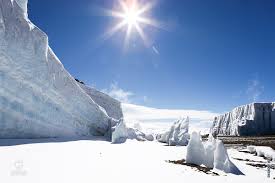
The icy summit of Mount Kilimanjaro has long been one of Africa’s most iconic sights. Snow and glaciers near Uhuru Peak once made the mountain look like a frozen crown above the savannah. But today, that image is rapidly changing—and scientists warn that the glaciers are shrinking at an alarming rate. So, are Kilimanjaro’s glaciers disappearing? The short answer is yes—but the story is more complex. A Brief Look at Kilimanjaro’s Ice History At the start of the 20th century, Mount Kilimanjaro had large ice fields covering parts of its summit. Over time: What remains today is only a small fraction of what once existed. Why Are the Glaciers Melting? Scientists have identified several key reasons for the decline: 1. Climate Change Rising global temperatures reduce snowfall and increase melting rates. 2. Reduced Moisture Less moisture in the atmosphere means fewer clouds and less snow replenishment. 3. Sublimation At high altitude, ice can turn directly into vapor without melting first, especially in dry, sunny conditions. 4. Long-Term Weather Patterns Changes in regional climate systems have reduced the conditions needed to sustain permanent ice. How Fast Are They Disappearing? Studies show that Kilimanjaro has lost most of its glacier cover over the past century. While exact timelines vary, many researchers agree that the remaining glaciers are extremely vulnerable. What It Means for Climbers For many trekkers climbing Mount Kilimanjaro, seeing ice near the summit feels magical. However, climbers today often notice: Reaching Uhuru Peak no longer guarantees a snowy landscape, especially in warmer months. Is Kilimanjaro Really “Snowless”? Despite headlines suggesting the mountain will become completely ice-free, Kilimanjaro is not snowless yet. However: So while snow can still be seen, it is no longer stable or guaranteed. Why This Matters Beyond the Mountain The loss of Kilimanjaro’s glaciers is more than a visual change. It signals broader environmental shifts: The glaciers are not just ice—they are part of Africa’s environmental story. The Emotional Impact on Visitors Many climbers are surprised when they learn how much the glaciers have changed. For some, it adds urgency and emotion to the journey. Standing near the summit of Mount Kilimanjaro today often comes with a feeling of: Final Thought Yes—Kilimanjaro’s glaciers are disappearing, and the change is visible within a human lifetime. But the mountain still stands strong, continuing to inspire climbers from around the world. Visiting Mount Kilimanjaro today is not just about seeing Africa’s highest point—it is also about witnessing a changing natural legacy at Uhuru Peak. It is a reminder that even the most powerful landscapes on Earth are not permanent, and that protecting them matters more than ever.

Kilimanjaro Glaciers: Are They Disappearing? Read Post »
fg

Sustainable Trekking on Kilimanjaro 2026

As tourism continues to grow in Tanzania, protecting the environment and supporting local communities around Mount Kilimanjaro has become more important than ever. In 2026, sustainable trekking is not just a trend—it is a responsibility for every climber who visits Africa’s highest peak. Sustainable trekking ensures that the mountain remains beautiful, safe, and valuable for future generations. What Is Sustainable Trekking? Sustainable trekking means climbing in a way that: On Mount Kilimanjaro, this includes respecting wildlife, minimizing plastic use, and choosing ethical tour operators. Why Sustainability Matters on Kilimanjaro The number of climbers on Kilimanjaro has increased over the years. Without proper management, this can lead to: Sustainable trekking helps balance tourism growth with environmental protection. Leave No Trace Principles One of the most important rules for climbers is “Leave No Trace.” This means: Every climber plays a role in keeping the mountain clean. Supporting Local Communities Sustainable trekking is not only about nature—it is also about people. Around Mount Kilimanjaro, local communities depend on tourism for income. Responsible trekking supports them by: This ensures tourism benefits the people who live near the mountain. Porter Welfare and Ethical Tourism A key part of sustainability is how porters are treated. Ethical trekking companies ensure: Organizations like the Kilimanjaro Porters Assistance Project (KPAP) help promote fair treatment of porters on the mountain. Choosing KPAP-certified operators is one of the best ways to support sustainable trekking. Eco-Friendly Gear and Practices in 2026 Modern trekking encourages climbers to use environmentally friendly equipment: Small choices from climbers make a big environmental difference. Waste Management on the Mountain One of the biggest improvements in recent years is better waste control systems. Tour operators now: However, success depends on climbers also following the rules. Climate Change and Kilimanjaro The glaciers of Mount Kilimanjaro have been shrinking over time due to climate change. This makes sustainability even more urgent. Responsible trekking helps by: Every climber becomes part of the solution. How to Be a Responsible Climber in 2026 If you are planning a Kilimanjaro trek, here are simple steps to make it sustainable: Final Thought Climbing Mount Kilimanjaro in 2026 is more than an adventure—it is a chance to protect one of the world’s greatest natural landmarks. Sustainable trekking ensures that future generations can still experience the beauty of reaching Uhuru Peak, while local communities continue to benefit from responsible tourism. A great climb is not just about reaching the top—it is about leaving the mountain better than you found it.

Sustainable Trekking on Kilimanjaro 2026 Read Post »

Chagga Culture and Kilimanjaro History

Chagga Culture and Kilimanjaro History

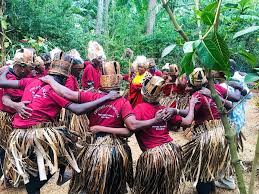
The slopes of Mount Kilimanjaro are not only known for breathtaking landscapes and trekking adventures—they are also home to one of Tanzania’s most fascinating ethnic groups: the Chagga people. Their rich culture and long history are deeply connected to the mountain itself. Understanding Chagga culture gives visitors a deeper appreciation of Kilimanjaro beyond its natural beauty. Who Are the Chagga People? The Chagga (also spelled Chaga or Wachagga) are a Bantu-speaking ethnic group living on the southern and eastern slopes of Mount Kilimanjaro in northern Tanzania. They are among the most economically developed communities in the region and are well known for: Their homeland is fertile due to volcanic soil and abundant rainfall from the mountain. The Relationship Between Chagga People and Kilimanjaro For the Chagga, Kilimanjaro is not just a mountain—it is part of their identity, history, and survival. Traditionally, the mountain provided: Because of this, the Chagga developed advanced farming systems long before modern agriculture. Traditional Chagga Farming System One of the most impressive aspects of Chagga culture is their “home garden” farming system. It includes: This multi-layer farming system is highly sustainable and efficient, making the Chagga one of the most successful farming communities in East Africa. Chagga Houses and Settlements Traditional Chagga homes were built in a way that reflected both safety and climate adaptation. Features included: These underground tunnels are part of the region’s historical defense systems. History and Early Kingdoms Before colonial times, the Chagga lived in small chiefdoms ruled by local leaders. Important historical points: During the German and British colonial eras, Chagga land became central to agricultural development in northern Tanzania. Coffee Culture and Economic Growth Coffee is one of the most important cultural and economic symbols among the Chagga people. Introduced in the late 19th century, coffee farming: Today, Chagga coffee is known for its high quality and is still widely cultivated on the slopes of Mount Kilimanjaro. Cultural Traditions and Beliefs Chagga culture is rich in traditions, storytelling, and respect for ancestors. Some key elements include: The mountain itself is often viewed with respect and cultural significance. Modern Chagga Life Today, many Chagga people live modern lives while still maintaining cultural roots. They are involved in: Tourism around Kilimanjaro also provides employment opportunities for local communities. Chagga Culture and Tourism Today Visitors trekking Mount Kilimanjaro often pass through Chagga villages. Cultural tours include: These experiences help travelers connect with the human history of Kilimanjaro, not just its natural beauty. Final Thought The story of Mount Kilimanjaro is not complete without the Chagga people. Their history, farming systems, and cultural traditions are deeply woven into the identity of the mountain. Exploring Chagga culture adds meaning to every trek, turning a climbing experience into a journey through both nature and living history.

Chagga Culture and Kilimanjaro History Read Post »

Kilimanjaro Porter Welfare and Responsible Trekking

Kilimanjaro Porter Welfare and Responsible Trekking

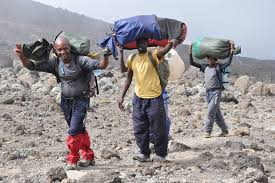
Climbing Mount Kilimanjaro is often described as a personal adventure—but behind every successful summit is a hardworking team of porters, guides, and cooks who make the journey possible. Understanding porter welfare is a key part of responsible trekking and ethical tourism in Tanzania. This article explains why porter welfare matters and how climbers can make more responsible choices. Who Are Kilimanjaro Porters? Porters are the backbone of every Kilimanjaro expedition. They carry essential supplies such as: Without them, climbing Mount Kilimanjaro would not be possible for most trekkers. They often walk the same long routes as climbers—sometimes covering more distance and working under harsh conditions. Challenges Porters Face Despite their critical role, porters can face difficult working conditions if companies do not follow ethical standards. Common challenges include: These issues highlight why porter welfare is such an important topic in tourism. What Is Porter Welfare? Porter welfare refers to ensuring that porters are treated fairly, safely, and respectfully. This includes: Good trekking companies prioritize these standards as part of ethical tourism. The Role of Responsible Trekking Responsible trekking means choosing to climb in a way that respects both the environment and the people working on the mountain. It involves: Organizations like the Kilimanjaro Porters Assistance Project (KPAP) help monitor and certify fair treatment of porters on Kilimanjaro. How Climbers Can Support Porter Welfare As a trekker, your choices make a real difference. Here’s how you can help: 1. Choose a Certified Operator Select companies that are monitored for ethical standards, such as KPAP-affiliated operators. 2. Respect Weight Limits Make sure your luggage does not exceed the recommended limits so porters are not overloaded. 3. Tip Fairly and Directly Tipping is an important part of porter income. Ensure it is distributed fairly among the team. 4. Ask Questions Before Booking A responsible company should be open about: Why Porter Welfare Matters Climbing Mount Kilimanjaro is not just about reaching Uhuru Peak—it is also about the people who support every step of the journey. When porters are treated well: Ethical trekking ensures that adventure does not come at the cost of human dignity. Final Thought Responsible trekking transforms Kilimanjaro from just a bucket-list destination into a meaningful experience. When you choose to support porter welfare, you are not only climbing a mountain—you are contributing to a fairer and more sustainable tourism industry on Mount Kilimanjaro. A successful summit is not only reaching the top—it is making sure everyone who helped you get there is respected and valued.

Kilimanjaro Porter Welfare and Responsible Trekking Read Post »

What I Wish I Knew Before Climbing Kilimanjaro

What I Wish I Knew Before Climbing Kilimanjaro

Climbing Mount Kilimanjaro is one of those experiences that looks simple on paper but feels completely different once you’re actually on the mountain. Many first-time climbers arrive excited and confident—only to realize later that there are important things they wish they had known earlier. Here are the biggest lessons most people learn the hard way. 1. It’s Not Just a Hike—It’s an Endurance Test Before the climb, many people imagine Kilimanjaro as a long scenic trek. The reality: What I wish I knew: fitness helps, but mental endurance matters even more. 2. Altitude Will Change Everything One of the biggest surprises is how altitude affects you. As you go higher on Mount Kilimanjaro: What I wish I knew: no matter how fit you are, altitude does not care. You must go slowly and respect your body. 3. “Pole Pole” Is Not Optional Guides constantly say pole pole (slowly, slowly), and at first it feels annoying. But I wish I knew: On Kilimanjaro, slow is fast. 4. Summit Night Is Much Harder Than Expected The climb to Uhuru Peak is often underestimated. What I wish I knew: It is not just physical—it is deeply mental. 5. Your Body Will Surprise You Before the climb, you think there is a limit to how much you can endure. But on the mountain: What I wish I knew: your body can do far more than your mind believes. 6. Proper Gear Makes a Huge Difference Many first-timers underestimate equipment. What I wish I knew: Bad gear can turn a great experience into a painful one. 7. Hydration and Food Matter More Than You Think On Mount Kilimanjaro, eating and drinking properly is not just health advice—it is survival support. What I wish I knew: 8. Weather Can Change Everything Kilimanjaro has multiple climate zones, and conditions shift quickly. You can experience: What I wish I knew: always be ready for any weather at any time. 9. The Emotional Side Is Unexpected Many people prepare physically but not emotionally. On the mountain you feel: What I wish I knew: Kilimanjaro is as emotional as it is physical. 10. The Summit Is Not the End of the Challenge Reaching Uhuru Peak feels like victory—but the descent is still long and tiring. What I wish I knew: The journey continues even after success. Final Thought If I had known all this before climbing Mount Kilimanjaro, I would have been better prepared—but maybe the surprises are part of what makes the experience unforgettable.

What I Wish I Knew Before Climbing Kilimanjaro Read Post »

Life-Changing Lessons from Climbing Kilimanjaro

Life-Changing Lessons from Climbing Kilimanjaro

Climbing Mount Kilimanjaro is more than a physical adventure—it is a journey that reshapes how you think, feel, and see life. Many climbers return not just with summit photos, but with powerful lessons that stay with them forever. Here are some of the most life-changing lessons people learn on the mountain. 1. Slow Progress Is Still Progress On Kilimanjaro, you constantly hear the phrase “pole pole” (slowly, slowly). At first, it feels frustrating because you want to move faster. But eventually you learn: This lesson applies far beyond the mountain—whether in studies, career, or personal goals. 2. Your Mind Is Stronger Than Your Body There comes a point on the climb when your body feels exhausted: But surprisingly, you continue anyway. You realize: 3. Comfort Is Not Where Growth Happens Life on Mount Kilimanjaro is uncomfortable: Yet, this discomfort becomes the source of growth. You learn that: 4. Patience Is a Superpower Everything on the mountain moves slowly: At first, it feels frustrating. But eventually, you adapt. You learn: 5. Team Support Matters More Than You Think Even though it feels like a personal challenge, Kilimanjaro is never a solo journey. You depend on: Their encouragement helps you keep going when you feel like stopping. This teaches you: 6. Limits Are Often Mental Barriers At high altitude, especially near Uhuru Peak, many climbers believe they cannot continue. But step by step, they still reach the top. The lesson is clear: 7. Gratitude Becomes Stronger On the mountain, small things feel meaningful: You return with a deeper appreciation for everyday life. Even simple things at home feel like luxury. 8. Success Feels Better After Struggle Reaching Uhuru Peak is not just exciting—it is emotional because of the struggle behind it. You learn: Final Thought Climbing Mount Kilimanjaro is not just about reaching Africa’s highest point—it is about discovering a stronger version of yourself. The mountain teaches lessons that stay long after the journey ends: And most importantly, it reminds you that you are capable of far more than you think.

Life-Changing Lessons from Climbing Kilimanjaro Read Post »

First Time Kilimanjaro Climb – A Personal Story

First Time Kilimanjaro Climb – A Personal Story

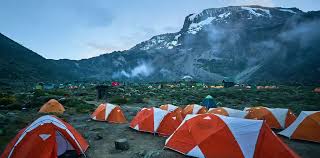
Climbing Mount Kilimanjaro for the first time is something you can’t fully understand until you live it. It is not just a hike—it is a mix of excitement, fear, pain, hope, and unforgettable moments that stay with you forever. This is what a first-time climber often experiences from the base to the summit. The Journey Begins: Excitement at the Gate The adventure starts at the park gate, where everything feels new and overwhelming. The mountain looks huge, almost unreal. At this stage: Most first-time climbers underestimate the journey ahead. First Days on the Mountain: Nature and Adjustment As you move through the lower slopes of Mount Kilimanjaro, everything feels beautiful and peaceful. You walk through: But your body slowly starts adjusting: The First Night in Camp: Reality Hits Sleeping in mountain tents is a new experience for most first-timers. At night: This is when you realize Kilimanjaro is not just about walking—it is about endurance. Altitude Effects: The Hardest Surprise As you climb higher, the air becomes thinner. This is where many first-time climbers struggle. Common feelings include: Even simple walking becomes harder, and your pace slows naturally. Mental Struggle: Doubt and Determination Every first-time climber reaches a moment of doubt. You start asking yourself: But at the same time, something stronger appears: This mental battle defines the journey. Summit Night: The Real Test The most intense part of the climb is summit night on Mount Kilimanjaro. You start walking in complete darkness: This is where many first-timers feel they are at their limit—but keep going anyway. Reaching the Top: Emotional Explosion When you finally reach Uhuru Peak, everything changes instantly. You feel: All the pain, cold nights, and exhaustion suddenly make sense. You realize you didn’t just climb a mountain—you changed yourself. The Descent: Reflection Begins Going down is easier physically but emotionally powerful. First-time climbers often think: Every step down feels like a memory forming. Final Thoughts A first-time climb of Mount Kilimanjaro is not just a travel experience—it is a life lesson. It teaches you: Most importantly, it shows you that you are capable of more than you ever imagined. Once you come back, you don’t just say “I climbed Kilimanjaro”—you say, “I discovered myself on Kilimanjaro.”

First Time Kilimanjaro Climb – A Personal Story Read Post »

Kilimanjaro Summit Night Experience

Kilimanjaro summit night experience

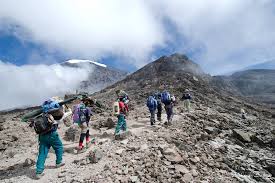
Summit night on Mount Kilimanjaro is the most challenging and emotional part of the entire climb. It is the moment when tired legs, thin air, freezing temperatures, and strong determination all collide in one long night toward the roof of Africa. This is not just a hike—it is a test of endurance, patience, and mental strength. The Evening Before the Summit Push Before midnight, climbers rest at high camp after dinner, usually around 3,000–4,600 meters depending on the route. Sleep is light and restless. There is a quiet tension in the air: Everyone knows what is coming. Nobody really sleeps deeply. The Midnight Start: Into the Darkness Around midnight to 1:00 AM, the climb begins. The world outside is completely dark. Only headlamps form a slow-moving line up the mountain. The atmosphere feels like: At this point, you are no longer climbing for views—you are climbing for survival and achievement. The Long Ascent: Step by Step Struggle This is the hardest section of the entire trek. The path is steep, often loose with volcanic scree. Each step feels like sliding half a step back. Common experiences: You don’t talk much. You just move. The Cold Reality at High Altitude As you climb higher, the temperature drops sharply. It can reach below freezing, with strong wind making it feel even colder. At this stage: Yet climbers continue, step after step, driven by the goal ahead. The Final Push to the Crater Rim After hours of climbing in darkness, you finally reach the crater rim. This moment is emotional and physically overwhelming: You realize you are now very close to Uhuru Peak. Sunrise on the Roof of Africa As the sun rises, everything changes. Golden light spreads across glaciers and volcanic rocks. Clouds sit far below you, creating an ocean-like view. This is the moment many climbers remember forever: You are standing above Africa. Reaching Uhuru Peak The final walk to the summit sign is short but deeply emotional. When you finally arrive at Uhuru Peak: It is not just a destination—it is the reward for every step taken through the night. The Descent: A Different Kind of Challenge After celebrating briefly, climbers begin descending. Surprisingly, going down can feel just as exhausting on the knees and body. But mentally, everything feels lighter: Final Thought The Kilimanjaro summit night on Mount Kilimanjaro is not just about reaching the top. It is about discovering what happens when you keep going in complete darkness, when your body wants to stop, but your spirit refuses to quit. It is one of the most powerful travel experiences on Earth—and it stays with you long after you descend the mountain.

Kilimanjaro summit night experience Read Post »

What It Feels Like to Reach Uhuru Peak

What It Feels Like to Reach Uhuru Peak

Standing at the top of Africa is not just a destination—it’s an emotional transformation. Reaching Uhuru Peak on Mount Kilimanjaro is one of those rare moments where exhaustion, pride, silence, and joy all exist at the same time. It is not an easy journey, but that is exactly what makes the feeling unforgettable. The Final Push: When Everything Becomes Mental The last hours before Uhuru Peak are the hardest. The air is thin, every step feels heavier, and your body is exhausted from days of climbing. You stop thinking about scenery or distance. It becomes a mental battle: In that moment, climbing is no longer physical—it is pure determination. The Summit Sign: A Moment That Feels Unreal When you finally see the famous “UHURU PEAK” sign, everything changes instantly. People often describe it as: The cold wind hits your face, but you barely feel it. What you feel instead is accomplishment so deep it’s hard to explain. The View Above Africa At 5,895 meters, you are standing on the roof of Africa. Below you, clouds stretch endlessly like a white ocean. The sunrise paints the sky in gold, pink, and orange. It feels like: Everything below looks peaceful and far away, as if the world has paused just for you. The Emotional Release Many climbers cry at the summit—not from pain, but from release. Every struggle along the way comes rushing back: And suddenly, all of it makes sense. You didn’t just climb a mountain—you overcame yourself. The Reality Check: It’s Cold and Quick Despite the beauty, you don’t stay long at the top. The altitude is extreme, and the weather can be harsh. So you take photos, breathe deeply, celebrate briefly—and start the descent. But something inside you has already changed. What You Take Home (Beyond Photos) Reaching Uhuru Peak stays with you forever. It teaches you: It becomes less about the mountain and more about what you discovered in yourself. Final Thought Standing at Uhuru Peak on Mount Kilimanjaro is not just about reaching the highest point in Africa—it is about realizing how far you can go when you refuse to stop. And once you’ve been there, you don’t come back the same person.

What It Feels Like to Reach Uhuru Peak Read Post »

Best Tanzania Travel Insurance Guide

Best Tanzania Travel Insurance Guide

Traveling to Tanzania is unforgettable—whether you’re climbing Mount Kilimanjaro, exploring wildlife in Serengeti National Park, or relaxing on the beaches of the Zanzibar Archipelago. But before you pack your bags, one thing is essential: reliable travel insurance. This guide breaks down everything you need to know about choosing the best Tanzania travel insurance, what it should cover, and how to avoid costly mistakes. Why Travel Insurance is Important for Tanzania Tanzania is generally safe for tourists, but activities like safari game drives, mountain trekking, and long-distance travel come with risks. Travel insurance protects you from unexpected situations such as: Without insurance, even a small medical issue can become very expensive. What Your Tanzania Travel Insurance Should Cover When choosing a policy, make sure it includes the following: 1. Emergency Medical Coverage This is the most important part. Your plan should cover: For remote areas like Kilimanjaro or national parks, evacuation coverage is critical. 2. Adventure Activities Coverage Tanzania is a top adventure destination. Ensure your insurance covers: Not all standard policies include these automatically. 3. Trip Cancellation and Delay Protection If your flight is canceled or you cannot travel due to illness or emergencies, insurance helps recover: 4. Lost or Stolen Belongings Coverage should include: 5. Emergency Evacuation & Repatriation This is especially important in Tanzania’s remote safari and mountain regions. It covers: Best Time to Buy Travel Insurance You should buy travel insurance immediately after booking your trip. This ensures you are protected even before departure, especially for cancellations. How to Choose the Best Plan Here are simple tips to help you choose wisely: Common Mistakes to Avoid Many travelers make these mistakes: Final Advice Tanzania offers life-changing experiences—from wildlife safaris in Ngorongoro Conservation Area to hiking Africa’s highest peak in Mount Kilimanjaro. But adventure always comes with uncertainty. A good travel insurance plan gives you peace of mind so you can fully enjoy your journey without stress.

Best Tanzania Travel Insurance Guide Read Post »

Scroll to Top
0

Subtotal