
Great Migration in Tanzania: What to Expect
The Great Migration in Tanzania is one of the most spectacular wildlife events on Earth, drawing visitors from all over the world to witness millions of animals moving across vast plains in search of fresh grazing and water. At the heart of this natural wonder is the famous ecosystem of Serengeti National Park, where the migration unfolds in dramatic and unpredictable cycles throughout the year.
Understanding the Great Migration
The Great Migration involves over 1.5 million wildebeest, hundreds of thousands of zebras, and large numbers of gazelles moving in a circular route between Tanzania and Kenya. The movement is driven by rainfall patterns and the search for fresh grass. While it is often called a “migration,” it is actually a continuous, year-round journey rather than a single event.
In Tanzania, the most significant and lengthy portion of this movement takes place inside the Serengeti ecosystem, especially in the southern plains, western corridor, and northern regions near the border with Kenya.
What You Will See
Visitors can expect dramatic wildlife scenes depending on the season:
- Calving season (January–March): The southern Serengeti becomes a nursery ground where thousands of wildebeest calves are born daily. This attracts predators such as lions, cheetahs, and hyenas, making it one of the most intense wildlife viewing periods.
- River crossings (June–October): As herds move north, they face dangerous river crossings filled with crocodiles. These crossings are among the most iconic safari moments in Africa.
- Movement through central and western Serengeti (April–June): Massive herds stretch across the plains, often forming endless lines of animals on the horizon.
- Return south (November–December): After rains begin in the south, the herds gradually return, completing the cycle.
Wildlife Encounters
Beyond wildebeest and zebras, the migration supports a rich ecosystem. You are likely to see:
- Lions stalking herds across the plains
- Cheetahs sprinting during hunts
- Hyenas scavenging or hunting in groups
- Large crocodiles waiting at river crossings
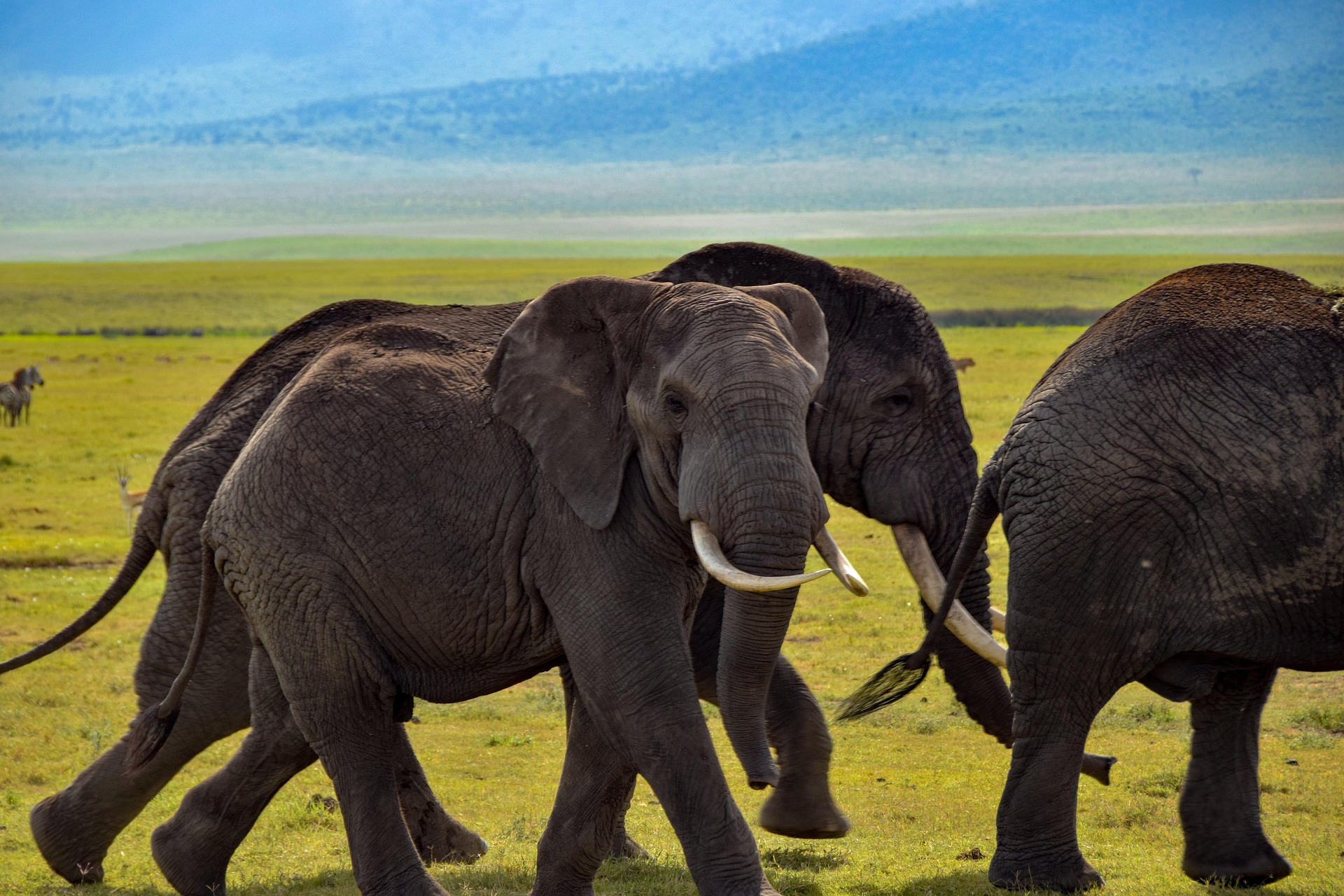
- Elephants, giraffes, and buffalo sharing the landscape
This makes the Serengeti one of the richest biodiversity regions in Africa.
Best Time to Visit
There is no single “best time” because the migration is year-round, but your experience depends on what you want to see:
- For calving and predator action: January to March
- For river crossings: June to October
- For fewer crowds and wide herd movements: April to May or November
Safari Experience
Safaris during the migration usually involve game drives in open 4×4 vehicles, guided by experienced trackers who understand animal movements. Accommodations range from luxury lodges to mobile tented camps that follow the herds across the plains, offering a closer and more immersive experience.
You may also combine your Serengeti safari with visits to nearby destinations like Ngorongoro Conservation Area, which offers a unique crater ecosystem filled with wildlife in a compact space.
What to Expect Overall
Expect long days in the wild, early morning game drives, and unpredictable but rewarding wildlife encounters. The migration is not guaranteed in one spot at a specific time, so patience is part of the adventure. Weather conditions, animal behavior, and seasonal changes all influence what you will see.
Most importantly, expect unforgettable moments—thundering herds crossing open plains, dramatic predator-prey interactions, and landscapes that feel untouched by time.
Final Thoughts
The Great Migration in Tanzania is more than a safari attraction; it is a living example of nature’s balance and survival. Whether you are a first-time visitor or a seasoned traveler, witnessing this movement in the Serengeti is a powerful experience that stays with you long after you leave the plains