
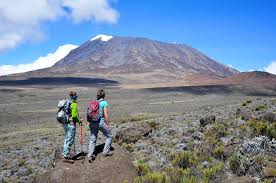
Climbing Mount Kilimanjaro is a once-in-a-lifetime adventure—and the good news is, you don’t need technical climbing skills to reach the summit. However, success depends on preparation, patience, and smart decisions along the way. If you’re a beginner, these practical tips will help you plan and enjoy a safe, successful trek.
1. Choose the Right Route
Not all routes are the same. Some are shorter and steeper, while others are longer but allow better acclimatization.
- Best for beginners: Marangu Route (easier, hut accommodation)
- Best for scenery + success rate: Machame or Lemosho Route
- Avoid very short routes—they increase the risk of altitude sickness.
2. Take It Slow (Pole Pole)
On Kilimanjaro, speed is not your friend. The famous phrase “pole pole” (slowly, slowly) is key.
- Walk at a steady, slow pace
- Conserve energy for summit day
- Let your body adjust to altitude naturally
3. Train Before You Go
You don’t need to be an athlete, but basic fitness helps a lot.
Focus on:
- Long-distance walking or hiking
- Cardio exercises (running, cycling)
- Strength training (especially legs)
Try hiking with a backpack to simulate real conditions.
4. Prepare for Altitude
Altitude sickness is the biggest challenge on Kilimanjaro.
Tips to manage it:
- Choose longer routes (7–9 days is ideal)
- Stay hydrated (drink 3–4 liters daily)
- Avoid alcohol and smoking
- Listen to your guide if symptoms appear
5. Pack Smart (Layering is Key)
Weather changes quickly—from hot at the base to freezing at the summit.
Essential items:
- Warm jacket (down jacket)
- Waterproof clothing
- Good hiking boots
- Gloves, hat, and thermal layers
Avoid overpacking—porters carry most gear, but weight limits apply.
6. Invest in Good Gear
Cheap or poor-quality gear can ruin your climb.
Must-have gear:
- Comfortable, broken-in hiking boots
- Quality sleeping bag (for cold nights)
- Headlamp (for summit night)
If you don’t want to buy everything, many companies offer rental gear.
7. Eat and Drink Even If You Don’t Feel Like It
Altitude can reduce appetite, but your body needs fuel.
- Eat regularly (even small portions)
- Drink plenty of water
- Carry snacks like energy bars and nuts
8. Choose a Reliable Tour Operator
You cannot climb Kilimanjaro without a licensed guide.
Look for:
- Good reviews and safety record
- Proper equipment and trained guides
- Fair treatment of porters
A good operator can make or break your experience.
9. Be Mentally Prepared
The climb is as much mental as physical.
- Expect challenges, especially on summit night
- Stay positive and focused
- Take one step at a time
Remember: reaching the summit (Uhuru Peak) is tough—but possible.
10. Plan for the Best Time to Climb
Weather plays a big role in your experience.
Best months:
- January to March (quieter, colder)
- June to October (dry season, most popular)
Avoid heavy rainy seasons (April–May, November).
Final Thoughts
Climbing Mount Kilimanjaro as a beginner is absolutely achievable with the right mindset and preparation. Go slow, listen to your body, and trust your guides. The journey to the “Roof of Africa” is not just about reaching the summit—it’s about the experience, the people, and the unforgettable views along the way.

