
Combining a trek up Mount Kilimanjaro with a wildlife safari is one of the most rewarding travel experiences in Africa. It blends physical achievement with unforgettable encounters in iconic parks like Serengeti National Park and Ngorongoro Crater. With the right planning, you can seamlessly transition from the summit of Africa to the heart of the wild.
WHY COMBINE KILIMANJARO AND SAFARI?
Climbing Kilimanjaro and going on safari complement each other perfectly. After days of trekking through diverse ecosystems, a safari offers relaxation while still delivering adventure. You’ll move from glaciers and alpine deserts to vast savannahs filled with lions, elephants, and giraffes.
This combination also maximizes your travel value—since you’re already in Tanzania, it makes sense to experience both highlights in one trip.
BEST ORDER: TREK FIRST, SAFARI AFTER
Most travelers choose to climb Kilimanjaro first and then go on safari. Here’s why:
- Physical readiness: You start the trip with full energy for the climb
- Recovery reward: Safari is less physically demanding and perfect for post-trek recovery
- Clean logistics: Many routes begin near Arusha or Moshi, which are also safari gateways
Doing safari first is possible, but fatigue or minor illnesses picked up during safari may affect your climb.
SAMPLE 10–14 DAY ITINERARY
DAY 1–2: ARRIVAL
Arrive in Kilimanjaro and transfer to Arusha or Moshi. Rest, prepare gear, and meet your guides.
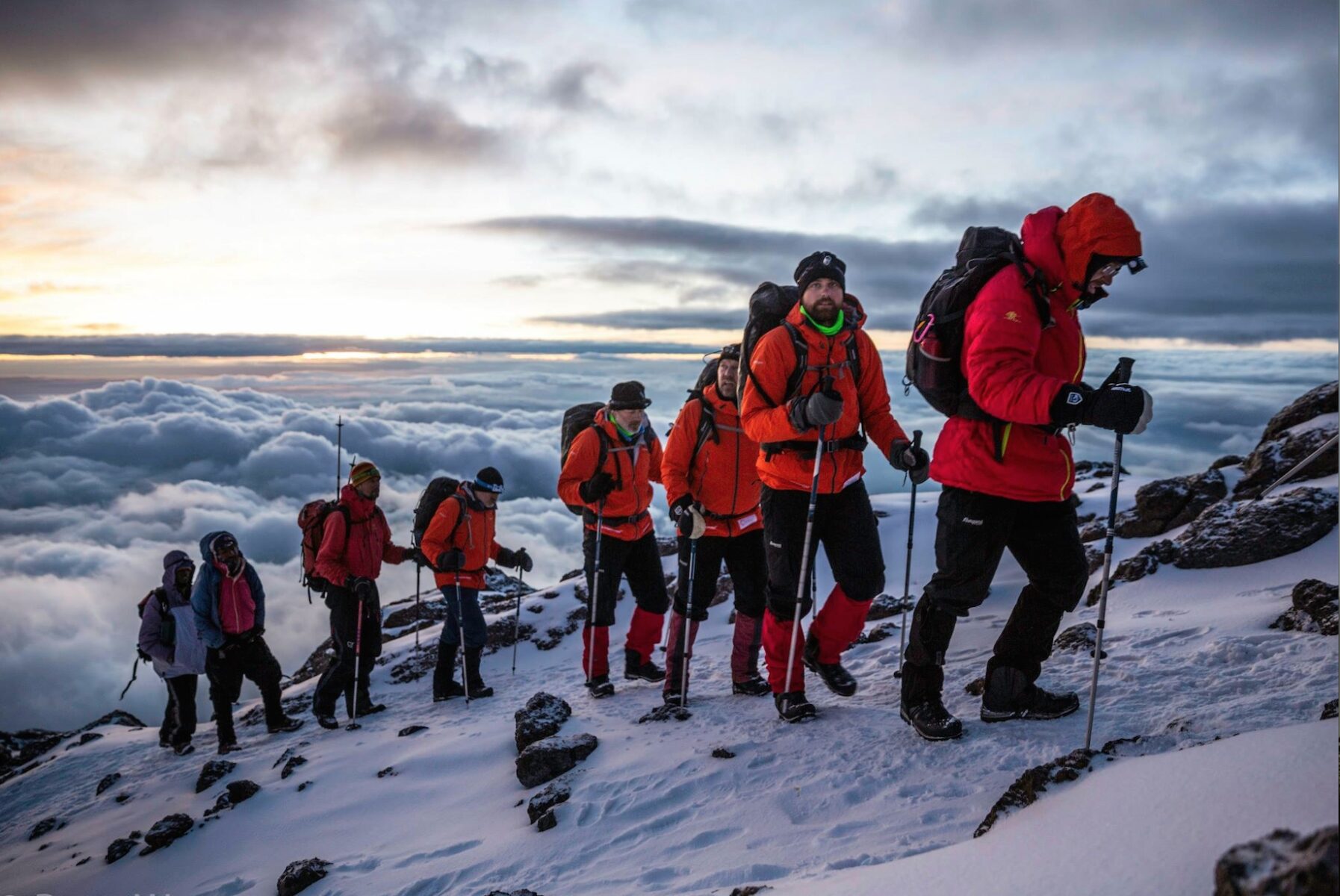
DAY 3–9: KILIMANJARO TREK
Choose a route such as:
- Machame Route (scenic and popular)
- Lemosho Route (best acclimatization)
- Marangu Route (hut accommodation)
Summit at Uhuru Peak, then descend.
DAY 10: REST DAY
Recover in Arusha or Moshi. This break is important before starting your safari.
DAY 11–14: SAFARI ADVENTURE
Explore top parks such as:
- Tarangire National Park – famous for elephants
- Lake Manyara National Park – tree-climbing lions
- Serengeti National Park – Great Migration
- Ngorongoro Crater – Big Five in one place
BEST TIME FOR A COMBINED TRIP
The ideal months are:
- January–March: Fewer crowds, good trekking conditions
- June–October: Dry season, best for safari wildlife viewing
Avoid heavy rainy seasons (April–May) for both trekking and safari comfort.
COST CONSIDERATIONS
Combining Kilimanjaro and safari can be expensive, but costs vary depending on:
- Trekking route and duration
- Safari park selection and days
- Accommodation level (budget to luxury)
Typical ranges:
- Kilimanjaro climb: $1,500–$4,000
- Safari (3–5 days): $800–$3,500
Booking both together often reduces overall cost.
LOGISTICS AND PLANNING TIPS
1. Choose a reliable operator
Look for companies that specialize in both trekking and safaris for smoother coordination.
2. Pack smart
Bring layered clothing for the mountain and lighter gear for safari.
3. Allow recovery time
A rest day between trekking and safari improves your experience.
4. Consider flights vs driving
Driving safaris are cheaper; flying to the Serengeti saves time.
HEALTH AND SAFETY
- Acclimatize properly to avoid altitude sickness
- Stay hydrated during the trek
- Follow guide instructions strictly
- Ensure travel insurance covers high-altitude trekking
FINAL THOUGHTS
Combining Kilimanjaro climbing with a Tanzanian safari offers the ultimate adventure—standing on Africa’s highest peak and then witnessing its incredible wildlife. With thoughtful planning, the journey flows naturally from challenge to relaxation, creating a once-in-a-lifetime experience.

