
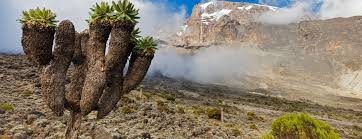
The alpine desert zone on Mount Kilimanjaro is one of the most dramatic and extreme environments you will encounter during the climb. Sitting between the moorland and the arctic summit zone, it is a landscape of rock, wind, and intense temperature changes.
This stage of the trek feels almost like walking on another planet.
What Is the Alpine Desert Zone?
The alpine desert zone is typically found at:
- 4,000 meters to 5,000 meters above sea level
It is called a “desert” not because of heat, but because of very low moisture and sparse vegetation.
What the Landscape Looks Like
The alpine desert is visually striking and empty compared to lower zones.
You will see:
- Large volcanic rocks
- Dusty, dry ground
- Very little plant life
- Wide open landscapes
- Glacial views near higher elevations
This is one of the most barren sections of the mountain.
Weather Conditions in the Alpine Desert
Weather here is extreme and unpredictable:
- Very strong sun during the day
- Freezing temperatures at night
- Low humidity
- Strong winds
- Sudden weather changes
Despite the sun, the air remains cold because of high altitude.
Oxygen Levels and Difficulty
One of the biggest challenges in this zone is thin air.
- Oxygen levels are significantly lower
- Breathing becomes harder
- Walking slows down naturally
Even simple steps feel more exhausting than in lower zones.
How Trekking Feels in the Alpine Desert
Climbing through this zone is both physically and mentally demanding.
You may experience:
- Slow walking pace (“pole pole”)
- Frequent rest stops
- Fatigue from altitude
- Dry lips and dehydration
However, the quietness of the environment can also feel peaceful and surreal.
Routes That Pass Through the Alpine Desert
Most Kilimanjaro routes include this zone, especially:
- Lemosho Route
- Machame Route
- Northern Circuit Route
- Rongai Route (upper sections)
These routes pass through the desert before reaching summit base camps.
Key Camps in the Alpine Desert Zone
Some important camps located in this zone include:
- Barranco Camp
- Karanga Camp
- Barafu Camp
- School Hut
These camps are crucial for acclimatization before summit night.
Challenges of the Alpine Desert Experience
This zone presents several difficulties:
- Intense altitude effects
- Dehydration due to dry air
- Strong winds and cold nights
- Fatigue from long trekking days
- Exposure to UV radiation
Proper preparation is essential.
What to Wear in the Alpine Desert
Layering is very important:
- Warm base layers
- Fleece or insulated jacket
- Waterproof and windproof outer shell
- Gloves and warm hat
- Sunglasses for UV protection
Conditions can change quickly, so flexibility is key.
Tips for Surviving the Alpine Desert
- Walk slowly and steadily
- Drink water regularly
- Protect yourself from sun exposure
- Eat enough energy-rich food
- Rest whenever possible
- Listen carefully to your guide
Why the Alpine Desert Is Special
Despite its harsh conditions, this zone is unforgettable:
- It offers incredible panoramic views
- It feels remote and untouched
- It prepares climbers for summit conditions
- It creates a sense of isolation and focus
It is a key mental and physical transition before the final ascent.
Transition to the Summit Zone
After the alpine desert:
- Temperatures drop even further
- Terrain becomes icy and snowy
- Oxygen levels are at their lowest
This leads directly to the final challenge—summit night.
Final Thoughts
The alpine desert experience on Mount Kilimanjaro is one of the most challenging yet rewarding parts of the climb. It tests your endurance, patience, and mental strength before the final push to the summit.
Though harsh and empty, it is a vital stage of the journey to the roof of Africa.

