
Combining a climb of Mount Kilimanjaro with a wildlife safari in Tanzania is a once-in-a-lifetime adventure. From reaching Africa’s highest peak to exploring the rich ecosystems of Serengeti National Park, proper preparation and knowledge can make your experience safer and more enjoyable.
This guide provides essential tips for both Kilimanjaro trekking and wildlife safari.
1. Kilimanjaro Climbing Tips
Choose the Right Route
Selecting the right route is key to success:
- Lemosho Route – best for acclimatization
- Machame Route – scenic and popular
- Marangu Route – easier but shorter
Longer routes increase your chances of reaching the summit.
Go Slowly (“Pole Pole”)
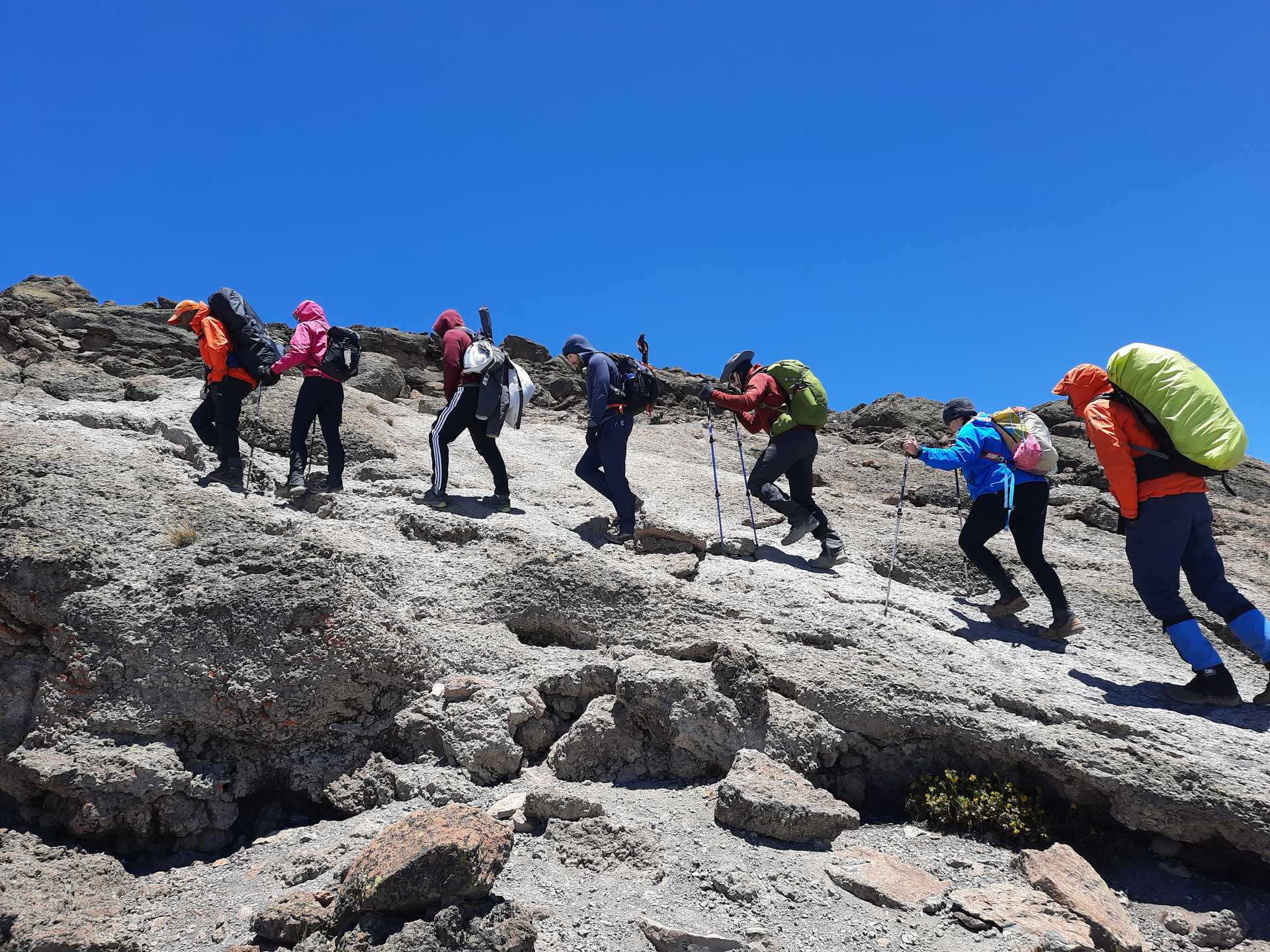
Climbing Mount Kilimanjaro is not a race. Walking slowly helps your body adjust to altitude and reduces the risk of altitude sickness.
Acclimatization is Critical
- Choose routes with more days (7–8 days recommended)
- Follow your guide’s advice
- Pay attention to symptoms like headaches or dizziness
Pack the Right Gear
Essential items include:
- Warm layered clothing
- Waterproof jacket
- Good hiking boots
- Gloves and hat
- Sleeping bag
Temperatures at the summit can drop below freezing.
Stay Hydrated and Eat Well
Drink at least 3–4 liters of water daily.
Even if you lose appetite, eating helps maintain energy levels.
2. Safari Wildlife Tips
Visit the Best Parks
For unforgettable wildlife experiences, include:
- Serengeti National Park – Big Five and Great Migration
- Ngorongoro Crater – dense wildlife population
- Tarangire National Park – elephants and baobabs
Best Time for Wildlife Viewing
- Early morning and late afternoon are the most active times
- Dry season (June–October) offers easier animal spotting
Be Patient and Observant
Wildlife sightings require patience. Listen to your guide and watch for movement, sounds, and tracks.
Follow Safety Rules
- Stay inside the safari vehicle
- Do not feed animals
- Keep a safe distance
- Follow guide instructions at all times
Bring the Right Equipment
- Camera with zoom lens
- Binoculars
- Extra batteries
- Light clothing in neutral colors
3. Combining Climb and Safari
Climb First, Safari After
Most travelers climb Mount Kilimanjaro first, then relax on safari.
Benefits:
- Allows recovery after trekking
- No time pressure during climb
- Safari feels more enjoyable
Allow a Rest Day
Take at least one day off between climbing and safari to recover.
Plan a Balanced Itinerary
A good plan includes:
- 6–8 days for Kilimanjaro
- 3–5 days for safari
This balance ensures a complete experience.
4. Common Mistakes to Avoid
On Kilimanjaro
- Choosing short routes to save money
- Ignoring altitude symptoms
- Packing inadequate clothing
On Safari
- Rushing between parks
- Expecting instant animal sightings
- Not listening to the guide
5. Expert Travel Tips
- Book with experienced local operators
- Travel insurance is essential
- Train before your trip (walking, hiking)
- Respect nature and wildlife
Conclusion
A journey that combines climbing Mount Kilimanjaro with a safari in Serengeti National Park offers the best of Tanzania’s adventure and wildlife.
With proper preparation, patience, and the right mindset, you’ll enjoy breathtaking landscapes, successful trekking, and unforgettable wildlife encounter

