
Kilimanjaro Dry Season vs Rainy Season
Understanding Kilimanjaro Seasons
Climbing Mount Kilimanjaro can be done throughout the year, but weather conditions vary greatly between the dry and rainy seasons. Choosing the right season affects trail conditions, visibility, comfort, summit success, and overall trekking experience.
Understanding the differences between Kilimanjaro’s dry season and rainy season helps climbers decide the best time for their adventure.
Kilimanjaro Dry Season
The dry season is considered the best time to climb Kilimanjaro.
The main dry periods are:
- January to early March
- June to October
These months usually provide stable weather and favorable trekking conditions.
Weather During the Dry Season
Dry season conditions often include:
- Clear skies
- Low rainfall
- Dry trails
- Better visibility
- Cooler summit temperatures
Trekkers usually experience more comfortable hiking conditions during these months.
Advantages of the Dry Season
1. Better Trail Conditions
Dry trails are easier and safer to hike.
Climbers face:
- Less mud
- Fewer slippery sections
- Easier river crossings
- More stable footing
2. Clear Mountain Views
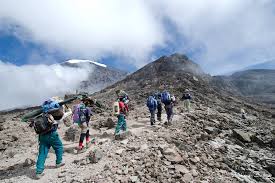
Dry season climbs often provide spectacular views of:
- Glaciers
- Sunrise landscapes
- Clouds below the summit
- African plains
Photography conditions are excellent during this period.
3. Higher Summit Success Rates
Stable weather and better trekking conditions help improve acclimatization and summit success.
Many first-time trekkers prefer climbing during the dry season.
4. Comfortable Camping Conditions
Dry weather makes camping more enjoyable with:
- Drier tents
- Warmer daytime conditions
- Reduced rain exposure
Challenges of the Dry Season
Larger Crowds
The dry season is also peak climbing season.
Popular routes may become crowded, especially during:
- July
- August
- September
- Holiday periods
Colder Summit Nights
Dry conditions often bring colder temperatures at high altitude, especially near Uhuru Peak.
Kilimanjaro Rainy Season
Kilimanjaro experiences two rainy seasons each year.
Long Rainy Season
- March to May
Short Rainy Season
- November
Rainfall intensity varies depending on the route and elevation.
Weather During the Rainy Season
Rainy season conditions may include:
- Frequent rainfall
- Muddy trails
- Wet vegetation
- Cloud cover
- Reduced visibility
Rain is usually heavier during April and May.
Advantages of the Rainy Season
1. Fewer Crowds
Rainy season climbs are quieter, making the mountain feel more peaceful.
Trekkers often enjoy:
- Less crowded camps
- Quieter trails
- More personal experiences
2. Beautiful Green Landscapes
Rainfall creates lush scenery throughout the lower slopes of the mountain.
The rainforest zone becomes especially vibrant and scenic.
3. Lower Tour Prices
Some operators offer lower prices during rainy months because of reduced demand.
Challenges of the Rainy Season
Slippery Trails
Wet conditions can make trekking more difficult.
Climbers may encounter:
- Muddy paths
- Slippery rocks
- Wet boots and clothing
Reduced Visibility
Clouds and mist sometimes limit scenic views and photography opportunities.
Wet Camping Conditions
Rain can affect comfort at campsites, especially on camping routes.
Best Routes During Rainy Season
Some routes perform better during wet months.
Marangu Route
Often preferred because hut accommodations provide shelter from rain.
Rongai Route
Located on the northern side of the mountain, which is generally drier.
Altitude Challenges in Both Seasons
Regardless of season, altitude remains the biggest challenge on Mount Kilimanjaro.
Trekkers may still experience:
- Headaches
- Fatigue
- Nausea
- Shortness of breath
Proper acclimatization is important year-round.
Dry Season vs Rainy Season Comparison
| Feature | Dry Season | Rainy Season |
|---|---|---|
| Trail Conditions | Dry and stable | Muddy and slippery |
| Visibility | Excellent | Sometimes limited |
| Crowds | Higher | Lower |
| Photography | Excellent | Variable |
| Rainfall | Minimal | Frequent |
| Camping Comfort | Better | Wetter conditions |
| Summit Temperatures | Colder nights | Slightly milder |
What to Pack for Both Seasons
Dry Season Gear
- Warm summit clothing
- Sun protection
- Layered clothing
- Insulated gloves
Rainy Season Gear
- Waterproof jacket
- Rain pants
- Waterproof backpack cover
- Extra socks and dry clothing
Weather on Kilimanjaro can change quickly in any season.
Which Season Is Best for You?
Choose the Dry Season If You Want:
- Better weather
- Clear views
- Easier trekking conditions
- Higher summit comfort
Choose the Rainy Season If You Want:
- Fewer crowds
- Greener scenery
- More budget-friendly climbs
- Quieter mountain experiences
Final Thoughts
Both the dry season and rainy season on Mount Kilimanjaro offer unique trekking experiences. The dry season is generally preferred for its clear skies, stable weather, and easier trail conditions, while the rainy season provides quieter routes and lush mountain scenery.
No matter when you climb, proper preparation, quality gear, acclimatization, and experienced guides are essential for a safe and successful journey to Uhuru Peak.