

Ngorongoro Crater Safari Guide: What to Expect
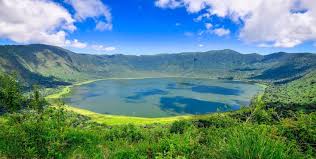
A safari to the Ngorongoro Crater is one of the most extraordinary wildlife experiences in Africa. Often described as a natural “wildlife paradise,” it takes place inside a massive volcanic caldera located within Ngorongoro Conservation Area in northern Tanzania. The crater floor creates a self-contained ecosystem where animals, landscapes, and human history come together in a truly remarkable setting.
Understanding the Ngorongoro Crater
The Ngorongoro Crater was formed millions of years ago when a massive volcano collapsed inward. Today, it is the world’s largest inactive, intact volcanic caldera. The crater is about 600 meters deep and roughly 20 kilometers wide, creating a natural enclosure for thousands of animals.
Because animals rarely migrate in or out, the crater offers one of the highest concentrations of wildlife in Africa year-round.
Wildlife You Can Expect to See
A safari in the crater gives you a high chance of seeing a wide range of animals in a single day. Common sightings include:
- Lions, often seen resting or hunting on the open grasslands
- Large herds of buffalo grazing in groups
- Zebras and wildebeest moving across the plains
- Hippos in water pools and marshy areas
- Hyenas roaming in search of food
- Elephants, especially older bulls with large tusks
- Flamingos around the crater lakes (seasonal)
One of the special highlights is the possibility of spotting the endangered black rhinoceros, which is rarely seen elsewhere in Tanzania.
Safari Experience
Most safaris begin early in the morning when animals are most active. Visitors descend into the crater in 4×4 safari vehicles via a steep road along the crater rim. The descent itself offers breathtaking views of the entire caldera.
Game drives usually last several hours, covering different habitats such as grasslands, forests, swamps, and lakes. Because the area is relatively small compared to other parks, wildlife sightings are frequent and close.
Best Time to Visit
The Ngorongoro Crater can be visited year-round, but conditions vary:
- Dry season (June to October): Best for clear views and easier wildlife spotting
- Wet season (November to May): Lush green landscapes, fewer tourists, and excellent birdwatching
Wildlife is present throughout the year due to the crater’s permanent water and grazing areas.
Landscape and Scenery
Beyond wildlife, the crater offers dramatic scenery. Mist often rises over the rim in the early morning, while the floor reveals sweeping plains, lakes, and forest patches. The contrast between the high crater walls and the open floor creates one of the most photogenic safari settings in Africa.
Cultural Experience Nearby
Visitors often combine their safari with cultural experiences involving the Maasai communities living around the crater. These encounters offer insight into traditional lifestyles, cattle herding practices, and cultural heritage that has existed alongside wildlife for centuries.
What Makes It Special
Unlike large parks where animals roam over vast distances, Ngorongoro offers a concentrated safari experience. In just one day, you can see almost all of Africa’s iconic safari animals in a single location. The combination of geology, wildlife, and scenery makes it one of the most unforgettable safari destinations in the world.
Final Thoughts
A visit to the Ngorongoro Crater is not just a game drive—it is an immersion into a natural wonder shaped by millions of years of geological history. Whether you are a first-time safari traveler or an experienced explorer, the crater delivers a compact but incredibly rich wildlife experience that stands out even in a country filled with world-class parks.