

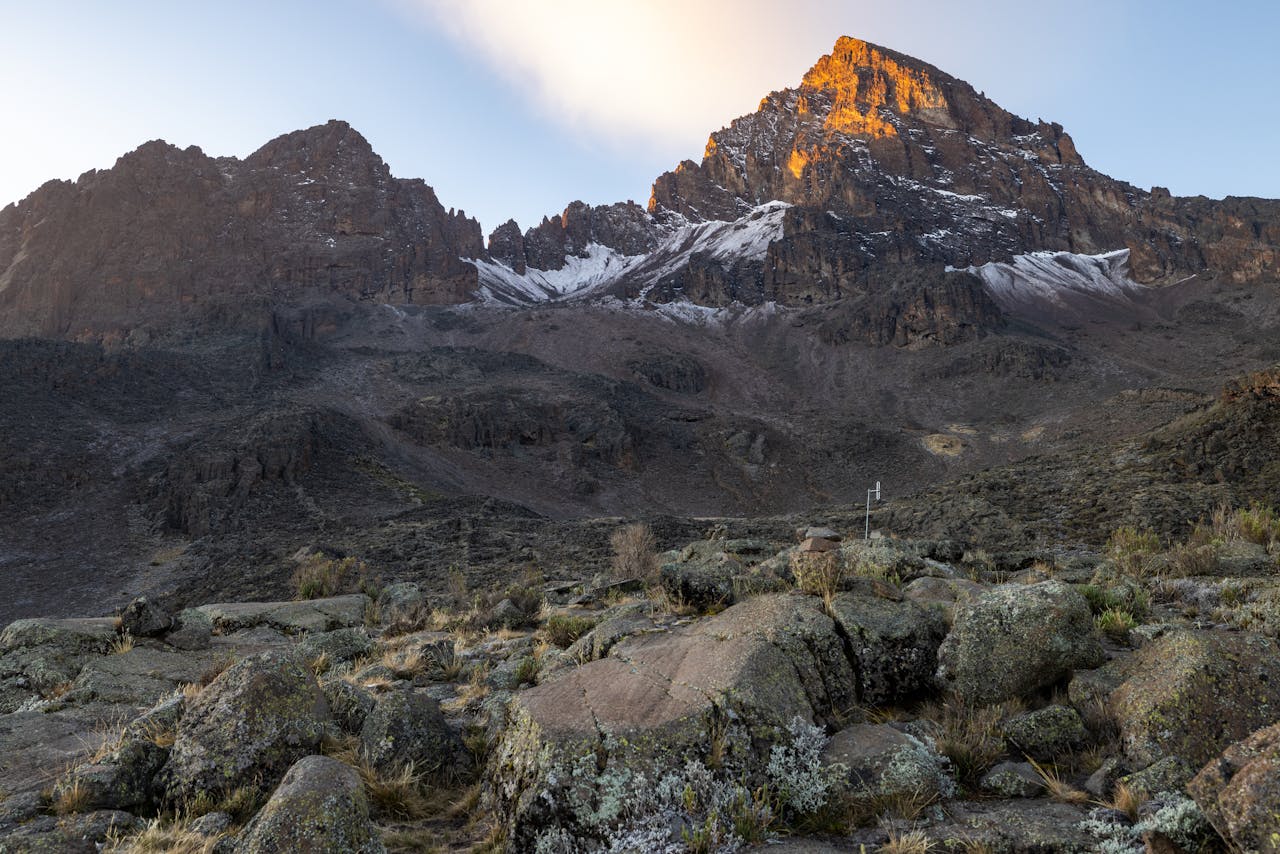
The Great Migration in Serengeti National Park is one of the most spectacular wildlife events in the world. Over two million animals move in search of fresh grass and water, creating an unforgettable safari experience.
What Is the Great Migration?
The migration involves:
- Wildebeest (over 1.5 million)
- Zebras
- Gazelles
These animals move in a circular pattern across the Serengeti and into Kenya’s Maasai Mara.
Month-by-Month Migration Guide
January – March (Calving Season)
- Location: Southern Serengeti
- Thousands of calves are born daily
- High predator activity
April – May (Movement Begins)
- Herds start moving north
- Rainy season creates lush landscapes
June – July (Grumeti River Crossings)
- First dramatic river crossings
- Crocodiles and predators nearby
August – September (Mara River Crossings)
- Most famous and dramatic crossings
- High safari demand
October – December (Return South)
- Herds move back to southern Serengeti
- Less crowded but still exciting
Best Time to Visit for Migration
- Calving: January–March
- River crossings: July–September
- Less crowded: October–December
Tips for Planning Your Migration Safari
- Book early (especially for peak season)
- Choose location based on migration stage
- Stay at camps close to the herds
What Makes It Special?
- Predator-prey interactions
- Massive animal numbers
- Unique natural spectacle
Final Thoughts
The Great Migration in Serengeti National Park is a once-in-a-lifetime experience. Timing your visit correctly ensures you witness one of nature’s most incredible events.

