General

11

Kilimanjaro Acclimatization Tips

Climbing Mount Kilimanjaro is an incredible adventure, but one of the biggest challenges trekkers face is altitude. At 5,895 meters (19,341 feet), the mountain’s thin air can affect anyone—no matter how fit you are. Proper acclimatization is the key to reaching the summit safely and successfully. Here’s a complete guide to help you adjust to the altitude and increase your chances of making it to Uhuru Peak. What is Acclimatization? Acclimatization is the process by which your body adapts to lower oxygen levels at high altitude. As you climb higher on Kilimanjaro, the air pressure decreases, meaning your body gets less oxygen with each breath. Without proper acclimatization, you risk developing Acute Mountain Sickness (AMS), which can cause headaches, nausea, dizziness, and fatigue. 1. Choose a Longer Route One of the best ways to acclimatize is by giving your body enough time to adjust. Longer routes offer better success rates because they include more days on the mountain. Popular routes with good acclimatization profiles: Avoid very short routes, as they increase the risk of altitude sickness. 2. Follow the “Climb High, Sleep Low” Rule This principle helps your body adapt more efficiently. During the day, you hike to a higher altitude, then descend slightly to sleep. For example, on routes like the Machame Route, you might hike up to Lava Tower and then descend to Barranco Camp to sleep. This gradual exposure improves oxygen efficiency in your body. 3. Go Slowly (Pole Pole) On Kilimanjaro, slow and steady wins the race. The local phrase “pole pole” (meaning “slowly slowly”) is essential for acclimatization. Walking slowly: Even if you feel strong at the start, rushing can lead to serious altitude problems later. 4. Stay Hydrated Dehydration can make altitude sickness worse. Drink at least 3–4 liters of water daily during your climb. Tips: Proper hydration helps your body transport oxygen more efficiently. 5. Eat Well, Even Without Appetite At high altitude, your appetite may decrease—but your body still needs energy. Focus on: Good nutrition supports your body’s adaptation to altitude. 6. Consider Acclimatization Days Some itineraries include extra rest days to help your body adjust. These days can significantly increase your summit success rate. For example, routes like the Lemosho Route often include built-in acclimatization days. 7. Recognize Symptoms Early Knowing the signs of altitude sickness can save your life. Common symptoms of Acute Mountain Sickness: If symptoms worsen, it’s important to stop ascending or descend immediately. 8. Consider Medication (If Needed) Some climbers use medications like Acetazolamide (Diamox) to help prevent altitude sickness. Important: 9. Get Proper Sleep Rest is crucial for recovery and acclimatization. While sleeping at altitude can be challenging, try to: 10. Listen to Your Guide Experienced Kilimanjaro guides are trained to monitor your health and pace. Always follow their advice—they understand the mountain better than anyone. Final Thoughts Reaching the summit of Mount Kilimanjaro is not just about strength—it’s about strategy and patience. By following these acclimatization tips, you greatly improve your chances of a safe and successful climb. Remember: it’s not a race. Take your time, respect the altitude, and enjoy every step of the journey.

Kilimanjaro Acclimatization Tips Read Post »

Kilimanjaro Trekking Fitness Guide

Kilimanjaro Trekking Fitness Guide

Climbing Mount Kilimanjaro is a once-in-a-lifetime adventure, but one of the biggest decisions you’ll face is whether to join a group climb or book a private climb. The main difference between the two options is not the route or mountain experience—it is the cost structure, level of comfort, and flexibility. Understanding these differences helps you choose the option that fits your budget and travel style. 1. What is a Group Kilimanjaro Climb? A group climb means you join other trekkers on a scheduled departure organized by a tour operator. You share guides, porters, food logistics, and equipment costs with other climbers. Typical Cost of Group Climb Group climbs are the most popular option because they are more affordable. Why Group Climbs Are Cheaper Example: Shared departures often range around USD 1,800 – 2,300 per person for 6–7 day routes. 2. What is a Private Kilimanjaro Climb? A private climb means you hire a dedicated guide team only for your group (solo, couple, or family). Everything is customized—pace, start date, and sometimes even meals or route adjustments. Typical Cost of Private Climb Private climbs are more expensive because the crew and logistics are not shared. Why Private Climbs Cost More Private climbs usually cost 30%–50% more than group climbs. 3. Cost Comparison Table Factor Group Climb Private Climb Price per person USD 1,500 – 2,800 USD 3,000 – 5,000+ Guide service Shared Dedicated Flexibility Fixed dates Any day departure Social experience High Low to medium Comfort level Standard High Best for Budget travelers Families, couples, privacy seekers 4. Key Differences That Affect Cost 1. Crew and Logistics In group climbs, costs for guides, cooks, and porters are shared. In private climbs, you pay for the full team yourself. 2. Flexibility Private climbs allow custom pacing and schedules, which increases planning and operational costs. 3. Route Length Longer routes cost more in both options, but the difference becomes bigger in private climbs due to extra crew days. 5. Which One Should You Choose? Choose Group Climb if: Choose Private Climb if: Final Thoughts Both group and private Kilimanjaro climbs offer the same mountain experience and summit opportunity. The difference is mainly cost vs comfort trade-off. If your goal is saving money, group climbs are the best option. If your goal is flexibility and comfort, private climbs are worth the extra cost.

Kilimanjaro Trekking Fitness Guide Read Post »

Kilimanjaro peak season vs off-season

honeymoon safari Tanzania package

Climbing Mount Kilimanjaro is a once-in-a-lifetime adventure—and the good news is, you don’t need technical climbing skills to reach the summit. However, success depends on preparation, patience, and smart decisions along the way. If you’re a beginner, these practical tips will help you plan and enjoy a safe, successful trek. 1. Choose the Right Route Not all routes are the same. Some are shorter and steeper, while others are longer but allow better acclimatization. 2. Take It Slow (Pole Pole) On Kilimanjaro, speed is not your friend. The famous phrase “pole pole” (slowly, slowly) is key. 3. Train Before You Go You don’t need to be an athlete, but basic fitness helps a lot. Focus on: Try hiking with a backpack to simulate real conditions. 4. Prepare for Altitude Altitude sickness is the biggest challenge on Kilimanjaro. Tips to manage it: 5. Pack Smart (Layering is Key) Weather changes quickly—from hot at the base to freezing at the summit. Essential items: Avoid overpacking—porters carry most gear, but weight limits apply. 6. Invest in Good Gear Cheap or poor-quality gear can ruin your climb. Must-have gear: If you don’t want to buy everything, many companies offer rental gear. 7. Eat and Drink Even If You Don’t Feel Like It Altitude can reduce appetite, but your body needs fuel. 8. Choose a Reliable Tour Operator You cannot climb Kilimanjaro without a licensed guide. Look for: A good operator can make or break your experience. 9. Be Mentally Prepared The climb is as much mental as physical. Remember: reaching the summit (Uhuru Peak) is tough—but possible. 10. Plan for the Best Time to Climb Weather plays a big role in your experience. Best months: Avoid heavy rainy seasons (April–May, November). Final Thoughts Climbing Mount Kilimanjaro as a beginner is absolutely achievable with the right mindset and preparation. Go slow, listen to your body, and trust your guides. The journey to the “Roof of Africa” is not just about reaching the summit—it’s about the experience, the people, and the unforgettable views along the way.

honeymoon safari Tanzania package Read Post »

tanzania family safari

honeymoon wildlife safari tanzania

Climbing Mount Kilimanjaro is a once-in-a-lifetime adventure, but one of the biggest decisions you’ll face is whether to join a group climb or book a private climb. The main difference between the two options is not the route or mountain experience—it is the cost structure, level of comfort, and flexibility. Understanding these differences helps you choose the option that fits your budget and travel style. 1. What is a Group Kilimanjaro Climb? A group climb means you join other trekkers on a scheduled departure organized by a tour operator. You share guides, porters, food logistics, and equipment costs with other climbers. Typical Cost of Group Climb Group climbs are the most popular option because they are more affordable. Why Group Climbs Are Cheaper Example: Shared departures often range around USD 1,800 – 2,300 per person for 6–7 day routes. 2. What is a Private Kilimanjaro Climb? A private climb means you hire a dedicated guide team only for your group (solo, couple, or family). Everything is customized—pace, start date, and sometimes even meals or route adjustments. Typical Cost of Private Climb Private climbs are more expensive because the crew and logistics are not shared. Why Private Climbs Cost More Private climbs usually cost 30%–50% more than group climbs. 3. Cost Comparison Table Factor Group Climb Private Climb Price per person USD 1,500 – 2,800 USD 3,000 – 5,000+ Guide service Shared Dedicated Flexibility Fixed dates Any day departure Social experience High Low to medium Comfort level Standard High Best for Budget travelers Families, couples, privacy seekers 4. Key Differences That Affect Cost 1. Crew and Logistics In group climbs, costs for guides, cooks, and porters are shared. In private climbs, you pay for the full team yourself. 2. Flexibility Private climbs allow custom pacing and schedules, which increases planning and operational costs. 3. Route Length Longer routes cost more in both options, but the difference becomes bigger in private climbs due to extra crew days. 5. Which One Should You Choose? Choose Group Climb if: Choose Private Climb if: Final Thoughts Both group and private Kilimanjaro climbs offer the same mountain experience and summit opportunity. The difference is mainly cost vs comfort trade-off. If your goal is saving money, group climbs are the best option. If your goal is flexibility and comfort, private climbs are worth the extra cost.

honeymoon wildlife safari tanzania Read Post »

Kilimanjaro Summit Night Experience

Kilimanjaro Summit Night Experience

The summit night on Mount Kilimanjaro is the most challenging, emotional, and unforgettable part of the entire climb. It is the moment when physical endurance, mental strength, and determination are tested to the maximum. This is the night that separates reaching the summit from turning back. What Is Summit Night? Summit night is the final push from the highest base camp (usually Barafu Camp, Kibo Hut, or School Hut) to the summit point: Climbers begin around midnight and trek through darkness until sunrise. Preparing Before the Ascent The preparation starts in the evening at base camp: Nerves, altitude, and cold temperatures make rest difficult. Midnight Departure Around 11:00 PM to 12:00 AM: Then the ascent begins into complete darkness. The Start of the Climb The trail is steep, rocky, and cold. You will notice: The climb is not about speed—it is about endurance. Physical Challenges During Summit Night As you ascend higher, the difficulty increases: Altitude Effects Physical Fatigue Every step becomes a mental effort. Mental Experience Summit night is as much psychological as physical. Common thoughts include: Climbers focus only on: This mental discipline is key to success. Temperature and Weather Conditions During summit night: Despite the cold, climbers continue moving slowly upward. Reaching the Crater Rim After several hours of climbing, climbers reach the crater rim: This is a major emotional milestone. Final Push to Uhuru Peak From the crater rim: Finally, climbers reach: The highest point in Africa. The Summit Moment At the summit: Standing on top of Mount Kilimanjaro feels surreal after hours of struggle. Sunrise at the Summit Shortly after arrival, the sun rises: This is one of the most beautiful moments of the entire journey. The Descent Begins After a short stay: The descent is long but rewarding. Why Summit Night Is So Important Summit night represents: It is the defining moment of the Kilimanjaro experience. Tips for Surviving Summit Night Final Thoughts The summit night on Mount Kilimanjaro is one of the toughest but most rewarding trekking experiences in the world. It pushes you beyond your limits and rewards you with the ultimate achievement—standing on the roof of Africa. Every step in the darkness leads you closer to a moment you will never forget.

Kilimanjaro Summit Night Experience Read Post »

tanzania family safari

Kilimanjaro Group vs Private Climb

Climbing Mount Kilimanjaro is a once-in-a-lifetime adventure, but one of the biggest decisions you’ll face is whether to join a group climb or book a private climb. The main difference between the two options is not the route or mountain experience—it is the cost structure, level of comfort, and flexibility. Understanding these differences helps you choose the option that fits your budget and travel style. 1. What is a Group Kilimanjaro Climb? A group climb means you join other trekkers on a scheduled departure organized by a tour operator. You share guides, porters, food logistics, and equipment costs with other climbers. Typical Cost of Group Climb Group climbs are the most popular option because they are more affordable. Why Group Climbs Are Cheaper Example: Shared departures often range around USD 1,800 – 2,300 per person for 6–7 day routes. 2. What is a Private Kilimanjaro Climb? A private climb means you hire a dedicated guide team only for your group (solo, couple, or family). Everything is customized—pace, start date, and sometimes even meals or route adjustments. Typical Cost of Private Climb Private climbs are more expensive because the crew and logistics are not shared. Why Private Climbs Cost More Private climbs usually cost 30%–50% more than group climbs. 3. Cost Comparison Table Factor Group Climb Private Climb Price per person USD 1,500 – 2,800 USD 3,000 – 5,000+ Guide service Shared Dedicated Flexibility Fixed dates Any day departure Social experience High Low to medium Comfort level Standard High Best for Budget travelers Families, couples, privacy seekers 4. Key Differences That Affect Cost 1. Crew and Logistics In group climbs, costs for guides, cooks, and porters are shared. In private climbs, you pay for the full team yourself. 2. Flexibility Private climbs allow custom pacing and schedules, which increases planning and operational costs. 3. Route Length Longer routes cost more in both options, but the difference becomes bigger in private climbs due to extra crew days. 5. Which One Should You Choose? Choose Group Climb if: Choose Private Climb if: Final Thoughts Both group and private Kilimanjaro climbs offer the same mountain experience and summit opportunity. The difference is mainly cost vs comfort trade-off. If your goal is saving money, group climbs are the best option. If your goal is flexibility and comfort, private climbs are worth the extra cost.

Kilimanjaro Group vs Private Climb Read Post »

Student Safari Tanzania

Kilimanjaro Sunrise Summit View

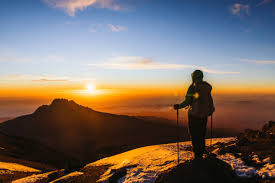
Reaching the summit of Mount Kilimanjaro is already a life-changing achievement, but witnessing the sunrise from the top of Africa is the moment that makes the entire journey unforgettable. The sunrise summit view is often described as peaceful, emotional, and surreal—something climbers remember forever. What Is the Kilimanjaro Sunrise Summit View? The sunrise summit view refers to the moment when the sun rises while you are near or at: At this time, climbers are standing above the clouds, watching the world slowly light up beneath them. When Does the Sunrise Happen? Summit attempts usually start around: After 6 to 8 hours of climbing, climbers reach the summit area just as the sun begins to rise. Typical timing: What the Sunrise Looks Like The Kilimanjaro sunrise is unlike any other. You will see: From the summit, you are literally above the clouds. Emotional Experience at the Summit Many climbers describe the sunrise moment as deeply emotional. Common feelings include: After hours of exhaustion, the beauty of the sunrise makes everything feel worth it. Weather Conditions at Sunrise At sunrise near the summit: Despite this, visibility is often clear on good weather days. Best Places to View the Sunrise The best viewpoints include: Stella Point Uhuru Peak Both points offer breathtaking views over the African continent. Why the Sunrise Feels So Special The Kilimanjaro sunrise is special because: It symbolizes completion, strength, and victory. Photography Tips for Sunrise To capture the best sunrise moments: Challenges During Sunrise Summit Even during this beautiful moment, climbers face: Most climbers stay only a short time before starting to descend. Sunrise and the Descent After enjoying the sunrise: The sunrise marks both the peak of achievement and the start of the journey down. Final Thoughts The sunrise summit view on Mount Kilimanjaro is one of the most powerful natural experiences in the world. It transforms a physically demanding climb into a deeply emotional and unforgettable memory. Standing above the clouds as the sun rises over Africa is not just a view—it is a moment of triumph, reflection, and pure beauty.

Kilimanjaro Sunrise Summit View Read Post »

download (15)

Kilimanjaro Glacier Climbing Guide

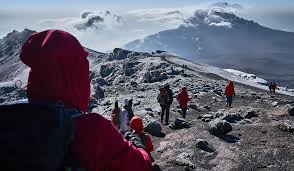
Climbing the glaciers of Mount Kilimanjaro is one of the most unique and surreal experiences in Africa. At the summit region, near Uhuru Peak, you will find remnants of ancient ice fields that give climbers a rare chance to walk near tropical glaciers. Although these glaciers are shrinking due to climate change, they still form a dramatic part of the Kilimanjaro summit experience. What Are Kilimanjaro Glaciers? Kilimanjaro glaciers are permanent ice formations found near the summit, mainly around: They are the last remaining glaciers of what was once a much larger ice cap. Where You See Glaciers on Kilimanjaro Most glacier views occur during the final stages of the climb: Some routes also allow closer views of the ice fields depending on conditions and weather. Can You Actually Climb the Glaciers? Yes, but with limitations. You can: However: Difficulty of Glacier Climbing Glacier walking on Kilimanjaro is not technically difficult, but conditions are challenging: The main challenge is altitude, not climbing skill. Weather Conditions Around the Glaciers At glacier level, conditions are extreme: Even during sunrise, frost and ice remain visible. Safety Tips for Glacier Areas Safety is very important at high altitude: Guides from licensed operators always lead glacier-area visits. What to Wear for Glacier Exploration Proper gear is essential: Wind chill can make temperatures feel much colder than they are. Best Time to See Kilimanjaro Glaciers The best visibility is during: Clear skies increase your chances of seeing the ice fields. However, glaciers can be visible year-round depending on weather conditions. The Future of Kilimanjaro Glaciers Scientists report that glaciers on Mount Kilimanjaro are shrinking due to climate change. Key facts: This makes glacier trekking a rare and time-sensitive experience. Challenges of Glacier Climbing Even though it is visually stunning, it comes with challenges: Most climbers spend only a short time near the glaciers before descending. Why Glacier Climbing Is Special Despite the challenges, the experience is unforgettable: It is a highlight of any Kilimanjaro expedition. Final Thoughts Glacier exploration on Mount Kilimanjaro is a rare and powerful experience that combines adventure, beauty, and environmental awareness. While the glaciers are fragile and shrinking, they remain one of the most iconic features of the mountain. For many climbers, standing near the ice fields at the summit is the ultimate reward after days of trekking.

Kilimanjaro Glacier Climbing Guide Read Post »

tanzania safari cost

Tanzania Travel Budget Guide

Planning a trip to Tanzania can fit many types of travelers—from budget backpackers to luxury safari seekers. The key is understanding where your money goes and how to control costs while still enjoying iconic experiences like safaris, beaches, and mountain trekking. Below is a clear breakdown to help you plan your Tanzania travel budget wisely. 1. Overview of Travel Costs in Tanzania Tanzania offers a wide range of prices depending on your travel style. On average: Your biggest expenses will usually be accommodation, safari tours, park fees, and transport. 2. Flights to Tanzania International flights vary depending on your country of origin: Main entry airports: Booking early (2–4 months in advance) can significantly reduce costs. 3. Accommodation Costs Accommodation in Tanzania ranges from simple hostels to high-end safari lodges. In safari areas like Serengeti or Ngorongoro, prices are higher due to location and logistics. 4. Safari Costs Safaris are the most expensive part of a Tanzania trip. Park entry fees also apply: The more people in a group, the cheaper the safari cost per person. 5. Transportation Costs Getting around Tanzania depends on distance and comfort level: For safaris, 4×4 vehicles with drivers are standard and usually included in tour packages. 6. Food & Drinks Food is generally affordable: Popular meals include ugali, nyama choma, pilau, and fresh seafood along the coast. 7. Activities & Extra Costs Here are common activity costs: Always check if park fees or equipment are included in tour prices. 8. Sample 7-Day Budget Breakdown Budget Trip (~$500–$900 total) Mid-Range Trip (~$1,200–$2,500 total) Luxury Trip ($3,000+) 9. Money-Saving Tips Conclusion A trip to Tanzania can be as affordable or luxurious as you want it to be. By planning carefully and understanding where your money goes, you can experience world-class safaris, stunning beaches, and iconic landscapes without overspending.

Tanzania Travel Budget Guide Read Post »

honeymoon safari africa

Kilimanjaro Alpine Desert Experience

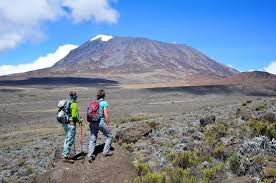
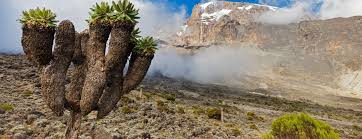
The alpine desert zone on Mount Kilimanjaro is one of the most dramatic and extreme environments you will encounter during the climb. Sitting between the moorland and the arctic summit zone, it is a landscape of rock, wind, and intense temperature changes. This stage of the trek feels almost like walking on another planet. What Is the Alpine Desert Zone? The alpine desert zone is typically found at: It is called a “desert” not because of heat, but because of very low moisture and sparse vegetation. What the Landscape Looks Like The alpine desert is visually striking and empty compared to lower zones. You will see: This is one of the most barren sections of the mountain. Weather Conditions in the Alpine Desert Weather here is extreme and unpredictable: Despite the sun, the air remains cold because of high altitude. Oxygen Levels and Difficulty One of the biggest challenges in this zone is thin air. Even simple steps feel more exhausting than in lower zones. How Trekking Feels in the Alpine Desert Climbing through this zone is both physically and mentally demanding. You may experience: However, the quietness of the environment can also feel peaceful and surreal. Routes That Pass Through the Alpine Desert Most Kilimanjaro routes include this zone, especially: These routes pass through the desert before reaching summit base camps. Key Camps in the Alpine Desert Zone Some important camps located in this zone include: These camps are crucial for acclimatization before summit night. Challenges of the Alpine Desert Experience This zone presents several difficulties: Proper preparation is essential. What to Wear in the Alpine Desert Layering is very important: Conditions can change quickly, so flexibility is key. Tips for Surviving the Alpine Desert Why the Alpine Desert Is Special Despite its harsh conditions, this zone is unforgettable: It is a key mental and physical transition before the final ascent. Transition to the Summit Zone After the alpine desert: This leads directly to the final challenge—summit night. Final Thoughts The alpine desert experience on Mount Kilimanjaro is one of the most challenging yet rewarding parts of the climb. It tests your endurance, patience, and mental strength before the final push to the summit. Though harsh and empty, it is a vital stage of the journey to the roof of Africa.

Kilimanjaro Alpine Desert Experience Read Post »

Scroll to Top
0

Subtotal