Tanzania Travel Blog

kilimanjaro summit night – what to expect

SLEEPING BAG TEMPERATURE RATING KILIMANJARO

Choosing the right sleeping bag is one of the most important parts of preparing for a climb of Mount Kilimanjaro. Temperatures on the mountain can become extremely cold, especially during summit night and at high-altitude camps. A proper sleeping bag helps you stay warm, sleep better, recover properly, and maintain energy for the trek. Many climbers underestimate how cold Kilimanjaro can be. While daytime temperatures at lower elevations may feel warm and comfortable, nighttime temperatures near the summit can drop well below freezing. RECOMMENDED SLEEPING BAG TEMPERATURE RATING For climbing Mount Kilimanjaro, the recommended sleeping bag temperature rating is: -10°C TO -20°C or 14°F TO -4°F This range provides enough warmth for most climbers during cold nights at higher camps. A sleeping bag with this rating helps protect against: Choosing a warmer bag is usually better than choosing one that is too light. WHY TEMPERATURE RATING MATTERS As you climb higher on Kilimanjaro, temperatures drop significantly. LOWER ELEVATIONS: MID ALTITUDE: HIGH CAMPS: At camps such as: nighttime temperatures can become extremely cold. A poor sleeping bag can lead to: Proper sleep is critical for acclimatization and summit success. UNDERSTANDING SLEEPING BAG RATINGS Sleeping bags usually have different temperature categories: COMFORT RATING The temperature where most people sleep comfortably. LIMIT RATING The lowest temperature where an average person can still sleep safely. EXTREME RATING Survival-only rating—not suitable for comfort. For Kilimanjaro, focus mainly on: A sleeping bag with a comfort rating around: is ideal for most climbers. DOWN VS SYNTHETIC SLEEPING BAGS There are two main types of sleeping bag insulation. DOWN SLEEPING BAGS Filled with duck or goose down. ADVANTAGES: DISADVANTAGES: Down bags are extremely popular for Kilimanjaro because they provide excellent warmth-to-weight ratio. SYNTHETIC SLEEPING BAGS Filled with artificial insulation. ADVANTAGES: DISADVANTAGES: Synthetic bags are still suitable for Kilimanjaro, especially for budget travelers. MUMMY SHAPE VS RECTANGULAR SHAPE Most climbers use: WHY? Mummy bags: Rectangular sleeping bags are usually less suitable for high-altitude trekking. SHOULD YOU USE A SLEEPING BAG LINER? Yes, many climbers use sleeping bag liners for extra warmth and hygiene. BENEFITS: Thermal liners can increase warmth by several degrees, which becomes useful during summit night. CAN YOU RENT SLEEPING BAGS IN TANZANIA? Yes. Most trekking companies and gear shops in: offer sleeping bag rentals for Kilimanjaro climbers. BEFORE RENTING: High-quality rental sleeping bags are commonly available. HOW TO STAY WARM AT NIGHT Even with a good sleeping bag, proper sleeping habits matter. TIPS FOR WARMTH: Your body generates heat more effectively when dry and well-fed. COMMON MISTAKES CLIMBERS MAKE CHOOSING A BAG THAT IS TOO LIGHT Many people underestimate summit temperatures. WEARING TOO MANY CLOTHES INSIDE THE BAG Excess clothing can reduce insulation efficiency. USING COTTON CLOTHING Cotton traps moisture and increases cold risk. IGNORING BAG QUALITY Cheap bags often perform poorly in extreme cold. WHAT HAPPENS IF YOUR SLEEPING BAG IS NOT WARM ENOUGH? A poor sleeping bag can negatively affect your climb by causing: Cold nights can make summit day much harder physically and mentally. FINAL THOUGHTS A proper sleeping bag is essential for climbing Mount Kilimanjaro successfully. Since temperatures at higher camps can become extremely cold, choosing a sleeping bag rated between -10°C and -20°C gives most climbers the warmth and comfort needed for the trek. Whether you buy or rent your sleeping bag, warmth, comfort, and reliability should always be priorities. A good night’s sleep on the mountain improves recovery, energy, and your chances of reaching Uhuru Peak safely.

SLEEPING BAG TEMPERATURE RATING KILIMANJARO Read Post »
Zanzibar Budget Travel Guide

Best Beaches in Zanzibar for Tourists

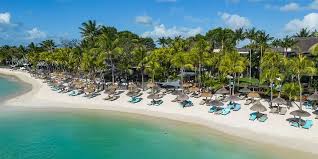
Zanzibar is famous for its white sandy beaches, turquoise waters, and tropical island atmosphere. Located off the coast of Tanzania, Zanzibar offers some of the best beach destinations in Africa for relaxation, honeymoon trips, diving, and water sports. Why Visit Zanzibar Beaches? Tourists love Zanzibar because of: Best Beaches in Zanzibar Nungwi Beach Nungwi is one of the most popular beaches: Kendwa Beach Kendwa offers: Paje Beach Paje is famous for: Jambiani Beach Jambiani is known for: Matemwe Beach Matemwe features: Kiwengwa Beach Kiwengwa offers: Best Beach Activities in Zanzibar Snorkeling & Diving Sunset Dhow Cruises Swimming & Relaxation Water Sports Best Time to Visit Zanzibar Beaches What to Pack Accommodation Options Travel Tips for Zanzibar Beaches Final Thoughts The beaches of Zanzibar offer some of the best tropical experiences in Tanzania. From the lively shores of Nungwi to the peaceful atmosphere of Jambiani, Zanzibar provides unforgettable beach adventures for every traveler.

Best Beaches in Zanzibar for Tourists Read Post »

is it safe to climb Kilimanjaro in April

Is It Safe to Climb Kilimanjaro in April? Climbing Kilimanjaro During the Rainy Season Many travelers wonder whether it is safe to climb Mount Kilimanjaro in April because this month falls within Tanzania’s long rainy season. While April is considered one of the wettest months on the mountain, climbing Kilimanjaro during this time can still be safe when proper preparation, experienced guides, and suitable equipment are used. However, trekkers should understand the additional challenges that come with rainy season climbing before planning an April expedition. Weather Conditions on Kilimanjaro in April April weather on Kilimanjaro is usually characterized by: Rainfall is heaviest in the rainforest zone, while higher elevations may experience colder temperatures, mist, and occasional snowfall near the summit. Is April Dangerous for Climbing Kilimanjaro? Climbing Kilimanjaro in April is not necessarily dangerous, but it can be more challenging than climbing during the dry season. Safety depends on several important factors: Thousands of trekkers safely climb Kilimanjaro every year, including during rainy months. Main Challenges of Climbing in April Slippery Trails Heavy rainfall can make mountain paths muddy and slippery, especially in the rainforest and moorland zones. Trekkers may face: Good hiking boots and trekking poles are very important during April climbs. Wet Conditions Continuous rain may affect comfort throughout the expedition. Climbers often deal with: Waterproof equipment becomes essential. Reduced Visibility Clouds and mist sometimes limit scenic views during April. Although the mountain remains beautiful, photographers may encounter fewer clear summit panoramas compared to dry season climbs. Advantages of Climbing Kilimanjaro in April Despite the rain, April also offers several unique benefits. Fewer Crowds April is one of the quietest months on Mount Kilimanjaro. Trekkers can enjoy: Beautiful Green Landscapes Rain transforms the mountain into a lush and vibrant environment. The rainforest zone becomes especially scenic with: Lower Prices Some trekking companies offer discounted prices during the rainy season because of lower demand. Best Routes for April Climbs Certain routes perform better during rainy months. Marangu Route The Marangu Route is often preferred because it offers hut accommodations instead of camping. The huts provide better protection from rain and cold weather. Rongai Route The Rongai Route, located on the northern side of Kilimanjaro, usually receives less rainfall than southern routes. This can make trekking conditions slightly drier. Altitude Safety Still Matters Even during rainy months, altitude remains the biggest challenge on Kilimanjaro. At high elevation near Uhuru Peak, climbers may experience: Proper acclimatization remains essential for safety. What to Pack for an April Climb Climbers attempting Kilimanjaro in April should bring high-quality waterproof gear. Essential items include: Staying dry is extremely important for comfort and safety. Tips for Staying Safe in April Choose an Experienced Operator Professional guides help manage weather challenges and monitor climber safety. Walk Carefully Wet trails require slower movement and careful footing. Keep Gear Dry Use dry bags and waterproof storage for clothing and electronics. Stay Warm Rain and cold temperatures can increase the risk of hypothermia at high altitude. Acclimatize Properly Longer routes improve altitude adaptation and summit success. Should Beginners Climb in April? April may not be ideal for first-time trekkers seeking the easiest Kilimanjaro experience. Beginners often prefer dry season months because conditions are more comfortable and predictable. However, adventurous climbers who do not mind rain and challenging conditions may still enjoy an April expedition. Final Thoughts Climbing Mount Kilimanjaro in April can be safe with proper preparation, experienced guides, and suitable equipment. Although rainy season conditions create additional challenges such as slippery trails and wet weather, many trekkers successfully summit the mountain during this time. For climbers seeking quieter routes, lush scenery, and fewer crowds, April offers a unique Kilimanjaro experience. With the right mindset and preparation, reaching Uhuru Peak during the rainy season can still become an unforgettable adventure.

is it safe to climb Kilimanjaro in April Read Post »

Lemosho vs Machame Which Is Better

Choosing between the Lemosho Route and the Machame Route on Mount Kilimanjaro is one of the biggest decisions climbers make when planning a Kilimanjaro trek. Both routes are among the most popular and successful paths to Uhuru Peak, offering incredible scenery and strong acclimatization profiles. However, they differ in crowd levels, trekking experience, duration, and overall atmosphere. Understanding these differences can help climbers select the route that best matches their goals, fitness level, and adventure preferences. Overview of the Lemosho Route The Lemosho Route approaches Kilimanjaro from the western side and is known for: Typical duration: The route begins in rainforest terrain before crossing the Shira Plateau and eventually joining the Machame Route. Overview of the Machame Route The Machame Route approaches from the southwest and is famous for: Typical duration: Machame is often called the “Whiskey Route” because it is more adventurous than the Marangu Route. Scenic Comparison Lemosho Route Lemosho is often considered the more scenic route overall because it offers: The route feels more peaceful and immersive. Machame Route Machame also provides spectacular scenery including: The scenery is dramatic but busier because of higher climber traffic. Acclimatization and Summit Success Lemosho Route Lemosho is widely regarded as one of the best routes for acclimatization because of: This contributes to very high summit success rates. Machame Route Machame also has good acclimatization, especially on 7-day itineraries. However, it is slightly shorter and steeper than Lemosho. Both routes perform well, but Lemosho generally offers a small advantage for altitude adaptation. Difficulty Level Lemosho Moderately challenging with longer trekking days but gradual elevation gain. Machame Slightly more physically demanding because: Both routes require strong physical preparation. Crowd Levels Lemosho The first half of Lemosho is quieter and less crowded, offering a more remote trekking experience. Machame Machame is one of the busiest Kilimanjaro routes because of its popularity and shorter duration. Trekkers seeking solitude often prefer Lemosho. Accommodation Both routes are fully camping-based. Support teams provide: Cost Comparison Lemosho Usually more expensive because: Machame Slightly cheaper because it requires fewer trekking days. Which Route Is Better for Beginners? Choose Lemosho If: Choose Machame If: Best Time to Climb Both routes are best during: These months generally provide stable weather and better summit conditions. Essential Tips for Either Route Train Properly Focus on endurance, hiking, and cardio fitness. Pack Quality Gear Bring layered clothing, waterproof gear, and comfortable boots. Stay Hydrated Hydration helps reduce altitude-related problems. Walk Slowly Maintaining a steady pace is key to summit success. Final Thoughts Both the Lemosho and Machame Routes are excellent choices for climbing Mount Kilimanjaro. Lemosho is generally better for climbers seeking superior acclimatization, quieter trails, and a more relaxed pace. Machame is ideal for trekkers wanting a shorter but adventurous climb with dramatic scenery. Ultimately, the best route depends on your personal goals, fitness level, budget, and trekking style.uuu

Lemosho vs Machame Which Is Better Read Post »

kilimanjaro summit night – what to expect

Why Kilimanjaro Is on Every Traveler’s Bucket List

Climbing Kilimanjaro in July and August Is July and August a Good Time to Climb Kilimanjaro? July and August are among the most popular months to climb Mount Kilimanjaro. These months fall within Tanzania’s long dry season and are widely considered some of the best times for trekking due to stable weather, dry trails, and excellent visibility. Thousands of climbers visit Kilimanjaro during July and August to take advantage of the favorable mountain conditions and clear summit views. Weather Conditions in July and August During July and August, Kilimanjaro typically experiences: These conditions create comfortable trekking environments on most routes. Although daytime temperatures are often pleasant, summit nights can become extremely cold because of strong winds and high altitude. Temperature on Kilimanjaro in July and August Temperatures vary depending on elevation. Lower Slopes The rainforest zone is usually mild and comfortable for hiking. Mid-Elevation Camps Evenings and mornings become colder as climbers gain altitude. Summit Zone At Uhuru Peak, temperatures can drop far below freezing during summit night. Trekkers should prepare for: Proper winter trekking gear is essential. Advantages of Climbing Kilimanjaro in July and August 1. Excellent Weather Dry weather makes trekking easier and more enjoyable. Climbers often experience: 2. Clear Summit Views July and August usually provide outstanding visibility across the mountain. Trekkers can enjoy: 3. High Summit Success Rates Stable weather helps many climbers successfully reach the summit. Longer routes combined with good weather improve acclimatization and overall trekking performance. 4. Great Photography Conditions Photographers often prefer July and August because of: Challenges of July and August Climbs Larger Crowds These months are part of Kilimanjaro’s peak climbing season. Popular routes may become busy, especially: Campsites and summit paths can feel crowded during holiday periods. Colder Temperatures Although dry weather is favorable, July and August are also colder months on the mountain. Summit night can be physically demanding because of: Warm layered clothing is extremely important. Best Kilimanjaro Routes for July and August Lemosho Route Offers scenic landscapes and excellent acclimatization. Machame Route Popular for beautiful scenery and strong summit success rates. Northern Circuit Route Ideal for climbers seeking fewer crowds and longer acclimatization. Rongai Route Often drier than southern routes and good during cooler months. What to Pack for July and August Essential climbing gear includes: Layering is critical because temperatures change significantly throughout the climb. Altitude Challenges Remain Important Even during the best weather months, altitude sickness remains the biggest challenge on Mount Kilimanjaro. Symptoms may include: Climbers should prioritize acclimatization and slow pacing. Tips for Climbing Kilimanjaro in July and August Book Early Peak season climbs often sell out months in advance. Train Before the Climb Physical fitness improves endurance and recovery. Choose Longer Routes Longer itineraries allow better acclimatization. Prepare for Cold Conditions Even strong hikers can struggle with summit temperatures if underprepared. Stay Hydrated Hydration is essential for altitude adaptation and energy levels. Wildlife and Scenic Beauty July and August provide beautiful scenery throughout the trek. Trekkers may experience: The dry season also creates ideal conditions for combining Kilimanjaro climbs with Tanzania safari adventures. Combining Kilimanjaro and Safari Many travelers combine their Kilimanjaro climb with safaris in famous parks such as: Dry season wildlife viewing is excellent during these months. Final Thoughts Climbing Mount Kilimanjaro in July and August offers some of the best trekking conditions of the year. Dry weather, clear skies, strong visibility, and beautiful scenery make these months highly recommended for climbers from around the world. Although the mountain can be colder and more crowded during this peak season, proper preparation, warm gear, and experienced guides help create a safe and unforgettable Kilimanjaro adventure to Uhuru Peak.

Why Kilimanjaro Is on Every Traveler’s Bucket List Read Post »

Easiest Kilimanjaro Route for Beginners

For first-time climbers attempting Mount Kilimanjaro, choosing the easiest and most beginner-friendly route is extremely important. Kilimanjaro is the highest mountain in Africa, standing at 5,895 meters above sea level, and reaching the summit requires proper acclimatization, physical preparation, and route selection. Although no Kilimanjaro route is truly “easy,” some routes offer gentler slopes, better acclimatization, and more comfortable trekking conditions that are ideal for beginners. What Makes a Route Beginner-Friendly? The easiest Kilimanjaro routes typically include: Routes with these characteristics reduce the risk of altitude sickness and physical exhaustion. Best Beginner Route: Marangu Route The Marangu Route is often considered the easiest Kilimanjaro route for beginners. Why Marangu Is Beginner-Friendly Hut Accommodation Unlike most routes requiring tents, Marangu provides mountain huts with: This makes the trek more comfortable for inexperienced climbers. Gradual Trail The trail is relatively direct and less steep compared to routes like Umbwe or Machame. Simpler Logistics The route is straightforward and easier to manage for first-time trekkers. Challenges of Marangu Although beginner-friendly, Marangu also has disadvantages: For best results, beginners should choose the 6-day version instead of the 5-day itinerary. Another Excellent Option: Lemosho Route Many experts now recommend the Lemosho Route as the best beginner route despite being longer. Why Lemosho Is Good for Beginners The longer itinerary helps beginners adapt to altitude more effectively. Routes Beginners Should Avoid Umbwe Route Very steep and physically demanding. Shira Route Starts at high altitude, increasing acclimatization difficulty. Short 5-Day Routes Short climbs often reduce summit success because of inadequate altitude adaptation. Physical Preparation for Beginners Even beginner-friendly routes require preparation. Recommended Training Training should begin at least 6–8 weeks before the climb. Essential Gear Beginners should pack: Proper gear is critical for comfort and safety. Importance of Acclimatization Altitude sickness is the biggest challenge on Kilimanjaro. To improve acclimatization: Best Time for Beginners to Climb The ideal seasons are: These months typically provide stable weather and clearer trails. Mental Preparation Kilimanjaro is not only a physical challenge but also a mental one. Summit night can be exhausting because of: Positive mindset and determination are essential. Final Thoughts The easiest Kilimanjaro route for beginners depends on personal priorities. The Marangu Route offers comfort and simplicity, while the Lemosho Route provides better acclimatization and higher summit success rates. For most beginners, choosing a longer itinerary, preparing physically, and climbing slowly are the most important factors for reaching the summit successfully and safely.

Easiest Kilimanjaro Route for Beginners Read Post »

Why Kilimanjaro Is on Every Traveler’s Bucket List

Tanzania Travel Safety Tips for Tourists

Traveling in Tanzania is generally safe and enjoyable for tourists, especially in popular safari and beach destinations like Serengeti National Park and Zanzibar. However, like any travel destination, visitors should follow basic safety precautions to ensure a smooth and secure experience. General Safety in Tanzania Tanzania is known for: Most tourists enjoy trouble-free travel when using licensed guides and trusted operators. Important Travel Safety Tips Use Licensed Tour Operators Protect Your Valuables Be Careful in Busy Urban Areas Extra caution is recommended in crowded areas of: Avoid walking alone late at night in unfamiliar places. Safari Safety Tips Follow Guide Instructions Wildlife Awareness Animals in parks are wild and unpredictable: Health & Medical Safety Vaccinations & Health Recommended before travel: Consult a travel clinic before visiting Tanzania. Drinking Water Transport & Road Safety Domestic Travel Flights Domestic safari flights are common between parks and beach destinations like Zanzibar. Beach & Zanzibar Safety Tips Ocean & Beach Awareness Respect Local Culture In Zanzibar and some communities: Money & Payment Tips Emergency Tips Best Safe Travel Destinations in Tanzania These are popular and well-managed tourist destinations. Final Thoughts Traveling in Tanzania can be safe, exciting, and unforgettable when basic precautions are followed. From wildlife safaris in Serengeti National Park to relaxing beaches in Zanzibar, visitors can enjoy a smooth and rewarding African travel experience.

Tanzania Travel Safety Tips for Tourists Read Post »

Kilimanjaro peak season vs off-season

Kilimanjaro weather at the summit

Kilimanjaro Weather at the Summit What Is the Weather Like at the Kilimanjaro Summit? The summit weather on Mount Kilimanjaro is one of the biggest challenges climbers face during their trek. At nearly 5,895 meters (19,341 feet) above sea level, the summit zone experiences freezing temperatures, thin air, strong winds, and rapidly changing weather conditions. Understanding Kilimanjaro summit weather is essential for proper preparation, safety, and a successful climb to Uhuru Peak. Summit Temperatures on Kilimanjaro Temperatures at the summit are extremely cold throughout the year. During summit night, temperatures commonly range between: Wind chill can make conditions feel even colder. Although daytime temperatures near the summit may occasionally rise slightly above freezing, nighttime conditions remain harsh in all seasons. Why the Summit Is So Cold As altitude increases, air temperature decreases significantly. Several factors contribute to Kilimanjaro’s cold summit conditions: Despite being located near the equator, Kilimanjaro’s summit experiences conditions similar to polar environments. Weather Conditions at Uhuru Peak Climbers reaching Uhuru Peak may encounter: Conditions can shift quickly within hours, especially during summit night. Summit Wind Conditions Wind is one of the toughest challenges at high altitude. Strong summit winds can: Proper windproof clothing is extremely important during the final ascent. Oxygen Levels at the Summit The summit of Kilimanjaro has significantly lower oxygen levels compared to sea level. At Uhuru Peak, climbers experience roughly 50% of the oxygen available at sea level. This can cause: Altitude affects every climber differently regardless of fitness level. Snow and Glaciers at the Summit Kilimanjaro is famous for its glaciers and summit ice fields. Trekkers may see: However, climate change has caused significant glacier reduction over recent decades. Best Weather Months for Summit Attempts The best summit weather is usually found during the dry seasons: These months often provide: Summit Weather During the Rainy Season During rainy months, summit conditions can become more difficult. Climbers may face: Weather challenges increase significantly during April, May, and November. Why Summit Climbs Begin at Night Most summit attempts start around midnight. This timing helps climbers: Nighttime climbing also avoids stronger daytime sun exposure. How to Dress for Summit Weather Layering is essential for staying warm and safe at high altitude. Recommended summit clothing includes: Proper footwear and warm clothing greatly improve comfort during summit night. Weather Changes Across Climate Zones One unique aspect of climbing Mount Kilimanjaro is passing through several climate zones. Trekkers move through: The summit zone is the coldest and harshest environment on the mountain. Tips for Handling Summit Weather Stay Hydrated Cold air and altitude increase dehydration risk. Climb Slowly Slow pacing helps conserve energy and improve acclimatization. Use Proper Gear High-quality cold-weather equipment is essential. Protect Exposed Skin Windburn and frostbite risks increase near the summit. Listen to Your Guides Experienced guides monitor climbers closely during summit night. Mental Challenges of Summit Weather The summit push is physically and mentally demanding because of: Mental preparation is just as important as physical training. Final Thoughts The weather at the summit of Mount Kilimanjaro is cold, windy, and unpredictable throughout the year. Freezing temperatures, low oxygen levels, and harsh summit conditions make proper preparation essential for every climber. With the right clothing, acclimatization, experienced guides, and careful planning, trekkers can safely reach Uhuru Peak and experience one of the world’s most unforgettable mountain adventures.

Kilimanjaro weather at the summit Read Post »

What I Wish I Knew Before Climbing Kilimanjaro

KILIMANJARO GEAR RENTAL IN MOSHI

Renting mountain equipment in Moshi is one of the easiest and most affordable ways to prepare for climbing Mount Kilimanjaro. Since many travelers climb Kilimanjaro only once, renting gear helps avoid the high cost of purchasing expensive mountain equipment that may never be used again. Moshi is the main gateway town for Kilimanjaro expeditions, and it has many outdoor shops and trekking companies offering quality rental gear for climbers. Most stores provide everything needed for the mountain, including sleeping bags, down jackets, trekking poles, waterproof clothing, and hiking accessories. WHY RENT GEAR IN MOSHI? Many climbers arrive in Tanzania without complete mountain equipment because renting locally is cheaper and more convenient. BENEFITS OF RENTING: Most rental shops in Moshi understand exactly what is needed for Kilimanjaro conditions and can help climbers select appropriate gear. WHAT GEAR CAN YOU RENT? Almost everything required for climbing Mount Kilimanjaro can be rented in Moshi. COMMON RENTAL ITEMS: Some shops also offer complete Kilimanjaro rental packages that include most essential items for the trek. POPULAR GEAR RENTAL SHOPS IN MOSHI Several outdoor stores and trekking companies provide reliable rental services in Moshi. Gilmans Outdoor Store One of the best-known outdoor gear rental shops in Moshi. The store offers trekking poles, sleeping bags, insulated jackets, waterproof clothing, and summit gear for Kilimanjaro climbers. Kilimanjaro Rental Gears Specializes in mountain gear rentals for Kilimanjaro expeditions, including clothing, footwear, and camping accessories. Kilimanjaro Adventure Store Provides trekking equipment and outdoor gear suitable for high-altitude climbing. AT Gear Outdoor equipment shop offering hiking clothing and trekking accessories for Kilimanjaro expeditions. HOW MUCH DOES GEAR RENTAL COST? Rental prices depend on the equipment type and duration of your climb. AVERAGE RENTAL COSTS: A complete Kilimanjaro rental package usually costs: WHAT SHOULD YOU BRING YOURSELF? Most experienced climbers recommend bringing personal items that require perfect fit and comfort. BEST TO BRING: GOOD TO RENT: This combination helps reduce travel weight while maintaining comfort. IMPORTANT TIPS BEFORE RENTING Before accepting rental gear: ALWAYS CHECK: Try on clothing and test equipment before your climb begins. WHEN SHOULD YOU RENT YOUR GEAR? Most climbers rent gear: During busy climbing seasons: it’s smart to reserve important items early to avoid shortages. CAN YOU CLIMB KILIMANJARO USING FULLY RENTED GEAR? Yes. Many climbers successfully summit Mount Kilimanjaro using mostly rented equipment from Moshi. However, properly fitting hiking boots and comfortable personal clothing remain extremely important for safety and comfort during the climb. FINAL THOUGHTS Kilimanjaro gear rental in Moshi is a practical and budget-friendly solution for climbers from around the world. With several reliable outdoor shops and experienced trekking companies, it is easy to access quality mountain equipment without spending large amounts of money on brand-new gear. Whether you need trekking poles, a warm sleeping bag, or summit clothing, Moshi provides nearly everything required for climbing Mount Kilimanjaro safely and comfortably.

KILIMANJARO GEAR RENTAL IN MOSHI Read Post »

Life-Changing Lessons from Climbing Kilimanjaro

Kilimanjaro dry season vs rainy season

Kilimanjaro Dry Season vs Rainy Season Understanding Kilimanjaro Seasons Climbing Mount Kilimanjaro can be done throughout the year, but weather conditions vary greatly between the dry and rainy seasons. Choosing the right season affects trail conditions, visibility, comfort, summit success, and overall trekking experience. Understanding the differences between Kilimanjaro’s dry season and rainy season helps climbers decide the best time for their adventure. Kilimanjaro Dry Season The dry season is considered the best time to climb Kilimanjaro. The main dry periods are: These months usually provide stable weather and favorable trekking conditions. Weather During the Dry Season Dry season conditions often include: Trekkers usually experience more comfortable hiking conditions during these months. Advantages of the Dry Season 1. Better Trail Conditions Dry trails are easier and safer to hike. Climbers face: 2. Clear Mountain Views Dry season climbs often provide spectacular views of: Photography conditions are excellent during this period. 3. Higher Summit Success Rates Stable weather and better trekking conditions help improve acclimatization and summit success. Many first-time trekkers prefer climbing during the dry season. 4. Comfortable Camping Conditions Dry weather makes camping more enjoyable with: Challenges of the Dry Season Larger Crowds The dry season is also peak climbing season. Popular routes may become crowded, especially during: Colder Summit Nights Dry conditions often bring colder temperatures at high altitude, especially near Uhuru Peak. Kilimanjaro Rainy Season Kilimanjaro experiences two rainy seasons each year. Long Rainy Season Short Rainy Season Rainfall intensity varies depending on the route and elevation. Weather During the Rainy Season Rainy season conditions may include: Rain is usually heavier during April and May. Advantages of the Rainy Season 1. Fewer Crowds Rainy season climbs are quieter, making the mountain feel more peaceful. Trekkers often enjoy: 2. Beautiful Green Landscapes Rainfall creates lush scenery throughout the lower slopes of the mountain. The rainforest zone becomes especially vibrant and scenic. 3. Lower Tour Prices Some operators offer lower prices during rainy months because of reduced demand. Challenges of the Rainy Season Slippery Trails Wet conditions can make trekking more difficult. Climbers may encounter: Reduced Visibility Clouds and mist sometimes limit scenic views and photography opportunities. Wet Camping Conditions Rain can affect comfort at campsites, especially on camping routes. Best Routes During Rainy Season Some routes perform better during wet months. Marangu Route Often preferred because hut accommodations provide shelter from rain. Rongai Route Located on the northern side of the mountain, which is generally drier. Altitude Challenges in Both Seasons Regardless of season, altitude remains the biggest challenge on Mount Kilimanjaro. Trekkers may still experience: Proper acclimatization is important year-round. Dry Season vs Rainy Season Comparison Feature Dry Season Rainy Season Trail Conditions Dry and stable Muddy and slippery Visibility Excellent Sometimes limited Crowds Higher Lower Photography Excellent Variable Rainfall Minimal Frequent Camping Comfort Better Wetter conditions Summit Temperatures Colder nights Slightly milder What to Pack for Both Seasons Dry Season Gear Rainy Season Gear Weather on Kilimanjaro can change quickly in any season. Which Season Is Best for You? Choose the Dry Season If You Want: Choose the Rainy Season If You Want: Final Thoughts Both the dry season and rainy season on Mount Kilimanjaro offer unique trekking experiences. The dry season is generally preferred for its clear skies, stable weather, and easier trail conditions, while the rainy season provides quieter routes and lush mountain scenery. No matter when you climb, proper preparation, quality gear, acclimatization, and experienced guides are essential for a safe and successful journey to Uhuru Peak.

Kilimanjaro dry season vs rainy season Read Post »

Scroll to Top
0

Subtotal