Tanzania Travel Blog

kilimanjaro summit night – what to expect

climbing Kilimanjaro in July and August

Climbing Kilimanjaro in July and August Is July and August a Good Time to Climb Kilimanjaro? July and August are among the most popular months to climb Mount Kilimanjaro. These months fall within Tanzania’s long dry season and are widely considered some of the best times for trekking due to stable weather, dry trails, and excellent visibility. Thousands of climbers visit Kilimanjaro during July and August to take advantage of the favorable mountain conditions and clear summit views. Weather Conditions in July and August During July and August, Kilimanjaro typically experiences: These conditions create comfortable trekking environments on most routes. Although daytime temperatures are often pleasant, summit nights can become extremely cold because of strong winds and high altitude. Temperature on Kilimanjaro in July and August Temperatures vary depending on elevation. Lower Slopes The rainforest zone is usually mild and comfortable for hiking. Mid-Elevation Camps Evenings and mornings become colder as climbers gain altitude. Summit Zone At Uhuru Peak, temperatures can drop far below freezing during summit night. Trekkers should prepare for: Proper winter trekking gear is essential. Advantages of Climbing Kilimanjaro in July and August 1. Excellent Weather Dry weather makes trekking easier and more enjoyable. Climbers often experience: 2. Clear Summit Views July and August usually provide outstanding visibility across the mountain. Trekkers can enjoy: 3. High Summit Success Rates Stable weather helps many climbers successfully reach the summit. Longer routes combined with good weather improve acclimatization and overall trekking performance. 4. Great Photography Conditions Photographers often prefer July and August because of: Challenges of July and August Climbs Larger Crowds These months are part of Kilimanjaro’s peak climbing season. Popular routes may become busy, especially: Campsites and summit paths can feel crowded during holiday periods. Colder Temperatures Although dry weather is favorable, July and August are also colder months on the mountain. Summit night can be physically demanding because of: Warm layered clothing is extremely important. Best Kilimanjaro Routes for July and August Lemosho Route Offers scenic landscapes and excellent acclimatization. Machame Route Popular for beautiful scenery and strong summit success rates. Northern Circuit Route Ideal for climbers seeking fewer crowds and longer acclimatization. Rongai Route Often drier than southern routes and good during cooler months. What to Pack for July and August Essential climbing gear includes: Layering is critical because temperatures change significantly throughout the climb. Altitude Challenges Remain Important Even during the best weather months, altitude sickness remains the biggest challenge on Mount Kilimanjaro. Symptoms may include: Climbers should prioritize acclimatization and slow pacing. Tips for Climbing Kilimanjaro in July and August Book Early Peak season climbs often sell out months in advance. Train Before the Climb Physical fitness improves endurance and recovery. Choose Longer Routes Longer itineraries allow better acclimatization. Prepare for Cold Conditions Even strong hikers can struggle with summit temperatures if underprepared. Stay Hydrated Hydration is essential for altitude adaptation and energy levels. Wildlife and Scenic Beauty July and August provide beautiful scenery throughout the trek. Trekkers may experience: The dry season also creates ideal conditions for combining Kilimanjaro climbs with Tanzania safari adventures. Combining Kilimanjaro and Safari Many travelers combine their Kilimanjaro climb with safaris in famous parks such as: Dry season wildlife viewing is excellent during these months. Final Thoughts Climbing Mount Kilimanjaro in July and August offers some of the best trekking conditions of the year. Dry weather, clear skies, strong visibility, and beautiful scenery make these months highly recommended for climbers from around the world. Although the mountain can be colder and more crowded during this peak season, proper preparation, warm gear, and experienced guides help create a safe and unforgettable Kilimanjaro adventure to Uhuru Peak.

climbing Kilimanjaro in July and August Read Post »

Marangu vs Machame Route Comparison

Choosing between the Marangu Route and the Machame Route on Mount Kilimanjaro is one of the most common decisions climbers face when planning a Kilimanjaro trek. Both routes are popular, but they offer very different experiences in terms of scenery, difficulty, accommodation, and summit success rates. Understanding these differences helps trekkers choose the route that best matches their goals, fitness level, and travel preferences. Overview of the Marangu Route The Marangu Route is the oldest and most established trail on Kilimanjaro. Often called the “Coca-Cola Route,” it is known for: Typical duration: The Marangu Route uses the same trail for ascent and descent. Overview of the Machame Route The Machame Route, often called the “Whiskey Route,” is more adventurous and scenic. It is famous for: Typical duration: Unlike Marangu, Machame uses different ascent and descent paths. Accommodation Comparison Marangu Route Trekkers sleep in mountain huts equipped with: This is ideal for travelers who prefer more comfort. Machame Route Camping is required throughout the trek. Climbers sleep in tents provided by expedition teams. Camping offers a more adventurous wilderness experience but less comfort. Scenic Comparison Marangu The Marangu Route is scenic but follows a more direct path. Since ascent and descent use the same trail, scenery repetition occurs. Machame Machame is widely considered more scenic because it passes through: The route provides dramatic landscapes and varied terrain. Difficulty Comparison Marangu Route Often considered easier because of: However, the shorter acclimatization period on 5-day itineraries lowers summit success rates. Machame Route More physically demanding because of: Despite increased difficulty, acclimatization is generally better. Summit Success Rates Machame usually has higher summit success rates because of: Marangu’s shorter itineraries can reduce acclimatization efficiency. Crowd Levels Both routes are popular, but: Which Route Is Better for Beginners? Choose Marangu If: Choose Machame If: Best Time to Climb Both routes perform best during: Final Thoughts The Marangu and Machame Routes each offer unique Kilimanjaro experiences. Marangu provides comfort and simplicity, while Machame delivers adventure, scenery, and stronger acclimatization. The best choice depends on personal preferences, fitness level, and trekking goals.

Marangu vs Machame Route Comparison Read Post »

Shira Route Kilimanjaro Overview

The Shira Route on Mount Kilimanjaro is one of the lesser-used trekking routes on the mountain and is known for its dramatic scenery, remote wilderness atmosphere, and unique high-altitude starting point. Similar to the Lemosho Route, the Shira Route crosses the beautiful Shira Plateau before merging with the Machame Route, offering climbers stunning views and a rewarding trekking experience. Overview of the Shira Route The Shira Route approaches Kilimanjaro from the western side of the mountain. Most expeditions take: Unlike other routes that begin at lower elevations, the Shira Route starts relatively high on the mountain, which can make acclimatization more challenging during the first days. The route is recommended for trekkers who already have some altitude experience or strong physical fitness. Why Choose the Shira Route Trekkers choose the Shira Route for several reasons: The route is especially appealing to photographers and adventure travelers seeking less crowded trails. Scenic Highlights The Shira Route passes through multiple ecological zones, including: One of the route’s biggest attractions is the famous Shira Plateau, one of the highest plateaus on Earth. The expansive open landscapes provide incredible views of the mountain and surrounding wilderness. Trekkers also experience: Typical 8-Day Itinerary Day 1: Londorossi Gate to Shira Camp 1 Trekkers drive to a high starting point before hiking across moorland terrain. Day 2: Shira Camp 1 to Shira Camp 2 The trail crosses the plateau with beautiful panoramic views. Day 3: Shira Camp 2 to Lava Tower to Barranco Camp An important acclimatization day following the “climb high, sleep low” strategy. Day 4: Barranco Camp to Karanga Camp Trekkers climb the Barranco Wall before continuing through rugged terrain. Day 5: Karanga Camp to Barafu Camp Preparation for summit night. Day 6: Summit Attempt and Descent Climbers begin around midnight toward Uhuru Peak before descending. Day 7: Mweka Camp Recovery and descent through lower elevations. Day 8: Final Descent Return to the park gate through rainforest. Difficulty Level The Shira Route is considered moderately difficult. The major challenge comes from the high starting elevation, which may increase the risk of altitude sickness during the first days. However, longer itineraries improve acclimatization and increase summit success. Accommodation The route is entirely camping-based. Expedition teams provide: Trekkers should prepare for cold nighttime temperatures, especially near the summit. Best Time to Climb The best climbing seasons are: These periods typically provide more stable weather and clearer summit visibility. Advantages Disadvantages Essential Tips Train Before Arrival Focus on endurance and hiking fitness. Acclimatize Properly Choose a longer itinerary if possible. Pack Appropriate Gear Warm clothing and waterproof layers are essential. Stay Hydrated Proper hydration supports altitude adaptation. Final Thoughts The Shira Route offers one of the most scenic and adventurous ways to climb Mount Kilimanjaro. Although the high starting altitude adds difficulty, the route rewards trekkers with incredible landscapes, quieter trails, and a memorable high-altitude experience.

Shira Route Kilimanjaro Overview Read Post »

Tanzania Visa on Arrival Guide 2026

Tanzania Visa on Arrival Guide 2026

Travelers visiting Tanzania in 2026 can obtain a visa on arrival at major airports and border entry points. This option is commonly used by tourists visiting destinations such as Serengeti National Park, Zanzibar, and Mount Kilimanjaro. What is a Visa on Arrival? A visa on arrival allows eligible travelers to: Main Entry Points for Visa on Arrival Airports Land Borders Visa on arrival is also available at several border crossings with neighboring countries. Requirements for Tanzania Visa on Arrival Travelers usually need: Immigration officers may request supporting travel details. Visa Fees (Typical 2026 Estimates) Fees can vary by nationality and visa type. Payment Methods At many airports in Tanzania: Visa Processing Time E-Visa vs Visa on Arrival E-Visa Visa on Arrival Recommended Travel Destinations After Arrival Serengeti National Park Zanzibar Mount Kilimanjaro Important Travel Tips Health & Entry Considerations Some travelers may need: Best Time to Visit Tanzania Final Thoughts The Tanzania visa on arrival process in 2026 remains a convenient option for many international visitors entering Tanzania. Whether visiting Serengeti National Park, relaxing in Zanzibar, or climbing Mount Kilimanjaro, proper travel preparation helps ensure a smooth arrival experience.

Tanzania Visa on Arrival Guide 2026 Read Post »

tanzania budget safari

climbing Kilimanjaro in January

Climbing Kilimanjaro in January Is January a Good Time to Climb Kilimanjaro? January is considered one of the best months to climb Mount Kilimanjaro. The mountain usually experiences warm daytime temperatures, relatively dry conditions, and clear skies during this period, making it a popular season for trekkers from around the world. Many climbers choose January because it offers an excellent balance between favorable weather, beautiful scenery, and manageable crowd levels. January Weather on Kilimanjaro January falls within Tanzania’s short dry season and often provides stable climbing conditions across most Kilimanjaro routes. Trekkers can expect: Although weather conditions are generally good, mountain weather can still change quickly, especially near the summit. Temperature Conditions in January Temperatures on Kilimanjaro vary depending on altitude. Lower Slopes The rainforest zone is usually warm and humid with comfortable hiking conditions. Mid-Elevation Camps Temperatures become cooler during evenings and early mornings. Summit Zone At Uhuru Peak, summit night temperatures can drop well below freezing. Strong winds and cold air make proper layering essential during the final ascent. Advantages of Climbing Kilimanjaro in January 1. Clear Mountain Views January often offers excellent visibility, allowing trekkers to enjoy panoramic views of glaciers, clouds, and surrounding landscapes. Photography conditions are usually outstanding during this season. 2. Dry Trekking Conditions Compared to the rainy months, January trails are generally drier and easier to hike. Dry conditions help reduce: 3. Moderate Crowds January attracts many climbers, but it is often less crowded than peak months such as July and August. Trekkers can enjoy a more peaceful mountain experience while still benefiting from good weather. 4. Higher Summit Success Rates Stable weather and proper acclimatization contribute to strong summit success rates during January climbs. Many operators recommend January for first-time high-altitude trekkers. Challenges of Climbing in January Although January is one of the best climbing months, trekkers should still prepare for several challenges. Cold Summit Night The summit ascent remains physically demanding due to: Altitude Sickness Regardless of season, altitude remains Kilimanjaro’s biggest challenge. Symptoms may include: Proper acclimatization is essential for a successful climb. Best Kilimanjaro Routes in January Several routes perform especially well during January’s dry conditions. Machame Route Known for scenic landscapes and good acclimatization opportunities. Lemosho Route Offers quieter trails and excellent summit success rates. Northern Circuit Route Provides the longest acclimatization period and beautiful remote scenery. Marangu Route Popular for its hut accommodations instead of camping. What to Pack for January Climbs Even during dry months, Kilimanjaro climbers must prepare for changing weather conditions. Essential gear includes: Layered clothing is especially important for adapting to different climate zones. Fitness Preparation for January Climbs Climbing Mount Kilimanjaro requires physical and mental preparation. Recommended training includes: Good fitness improves comfort and recovery during the trek. Wildlife and Scenic Beauty in January January conditions often create beautiful scenery on the mountain. Trekkers may enjoy: The mountain’s ecosystems are especially vibrant during this time. Tips for Climbing Kilimanjaro in January Climb Slowly Walking slowly helps improve acclimatization and conserve energy. Stay Hydrated Drink plenty of water throughout the trek. Choose a Longer Route Longer itineraries improve the body’s ability to adapt to altitude. Use Experienced Guides Professional guides monitor health and provide important support during the climb. Final Thoughts Climbing Mount Kilimanjaro in January offers excellent weather, clear views, dry trails, and strong summit conditions. It is one of the most recommended months for trekkers seeking a safe and enjoyable Kilimanjaro adventure. With proper preparation, quality gear, acclimatization, and experienced guides, January provides an outstanding opportunity to reach Uhuru Peak and experience the beauty of Africa’s highest mountain.Climbing Kilimanjaro in January Is January a Good Time to Climb Kilimanjaro? January is considered one of the best months to climb Mount Kilimanjaro. The mountain usually experiences warm daytime temperatures, relatively dry conditions, and clear skies during this period, making it a popular season for trekkers from around the world. Many climbers choose January because it offers an excellent balance between favorable weather, beautiful scenery, and manageable crowd levels. January Weather on Kilimanjaro January falls within Tanzania’s short dry season and often provides stable climbing conditions across most Kilimanjaro routes. Trekkers can expect: Although weather conditions are generally good, mountain weather can still change quickly, especially near the summit. Temperature Conditions in January Temperatures on Kilimanjaro vary depending on altitude. Lower Slopes The rainforest zone is usually warm and humid with comfortable hiking conditions. Mid-Elevation Camps Temperatures become cooler during evenings and early mornings. Summit Zone At Uhuru Peak, summit night temperatures can drop well below freezing. Strong winds and cold air make proper layering essential during the final ascent. Advantages of Climbing Kilimanjaro in January 1. Clear Mountain Views January often offers excellent visibility, allowing trekkers to enjoy panoramic views of glaciers, clouds, and surrounding landscapes. Photography conditions are usually outstanding during this season. 2. Dry Trekking Conditions Compared to the rainy months, January trails are generally drier and easier to hike. Dry conditions help reduce: 3. Moderate Crowds January attracts many climbers, but it is often less crowded than peak months such as July and August. Trekkers can enjoy a more peaceful mountain experience while still benefiting from good weather. 4. Higher Summit Success Rates Stable weather and proper acclimatization contribute to strong summit success rates during January climbs. Many operators recommend January for first-time high-altitude trekkers. Challenges of Climbing in January Although January is one of the best climbing months, trekkers should still prepare for several challenges. Cold Summit Night The summit ascent remains physically demanding due to: Altitude Sickness Regardless of season, altitude remains Kilimanjaro’s biggest challenge. Symptoms may include: Proper acclimatization is essential for a successful climb. Best Kilimanjaro Routes in January Several routes perform especially well during January’s dry conditions. Machame Route Known for scenic landscapes and good acclimatization opportunities. Lemosho Route Offers quieter trails and excellent summit success rates. Northern Circuit Route Provides the longest acclimatization period and beautiful remote scenery. Marangu Route Popular for its hut accommodations instead of camping. What to Pack for

climbing Kilimanjaro in January Read Post »

Umbwe Route for Experienced Trekkers

The Umbwe Route on Mount Kilimanjaro is considered the steepest and most challenging route on the mountain. Known for its rapid ascent and demanding terrain, Umbwe is recommended only for experienced trekkers with strong fitness and previous high-altitude hiking experience. Overview of the Umbwe Route The Umbwe Route approaches Kilimanjaro from the south and usually takes: Unlike gradual routes such as Lemosho or Northern Circuit, Umbwe climbs quickly, giving climbers less time to acclimatize. Why Choose the Umbwe Route Experienced trekkers choose Umbwe because of: It is ideal for climbers seeking a physically intense challenge. Scenic Experience The route begins in dense rainforest before climbing sharply into moorland and alpine desert zones. Highlights include: Although difficult, the route offers a wild and adventurous atmosphere. Typical 6-Day Itinerary Day 1: Umbwe Gate to Umbwe Cave Camp A steep rainforest climb begins immediately. Day 2: Umbwe Cave Camp to Barranco Camp Trekkers gain significant altitude while entering open terrain. Day 3: Barranco Camp to Karanga Camp Climbers tackle the Barranco Wall before continuing upward. Day 4: Karanga Camp to Barafu Camp Preparation for summit night. Day 5: Summit Attempt and Descent Midnight ascent toward Uhuru Peak followed by long descent. Day 6: Final Descent Trekkers return to the gate through rainforest. Difficulty Level Umbwe is regarded as: The route demands excellent endurance and mental strength. Accommodation Camping is required throughout the trek. Climbers rely on support teams for: Best Time to Climb Recommended seasons: Avoid heavy rainy periods because steep trails become slippery and dangerous. Advantages Disadvantages Essential Tips Gain Prior Hiking Experience Trekkers should already have experience with multi-day mountain hikes. Train Intensively Focus on cardio, leg strength, and endurance training. Use Proper Gear Strong boots, trekking poles, and layered clothing are essential. Monitor Altitude Symptoms Immediate communication with guides is critical if symptoms appear. Final Thoughts The Umbwe Route is one of Kilimanjaro’s most demanding adventures. It is best suited for experienced trekkers seeking a steep, remote, and physically intense climb. While the route presents major challenges, it also offers a rewarding sense of achievement for those prepared to take it on.

Umbwe Route for Experienced Trekkers Read Post »

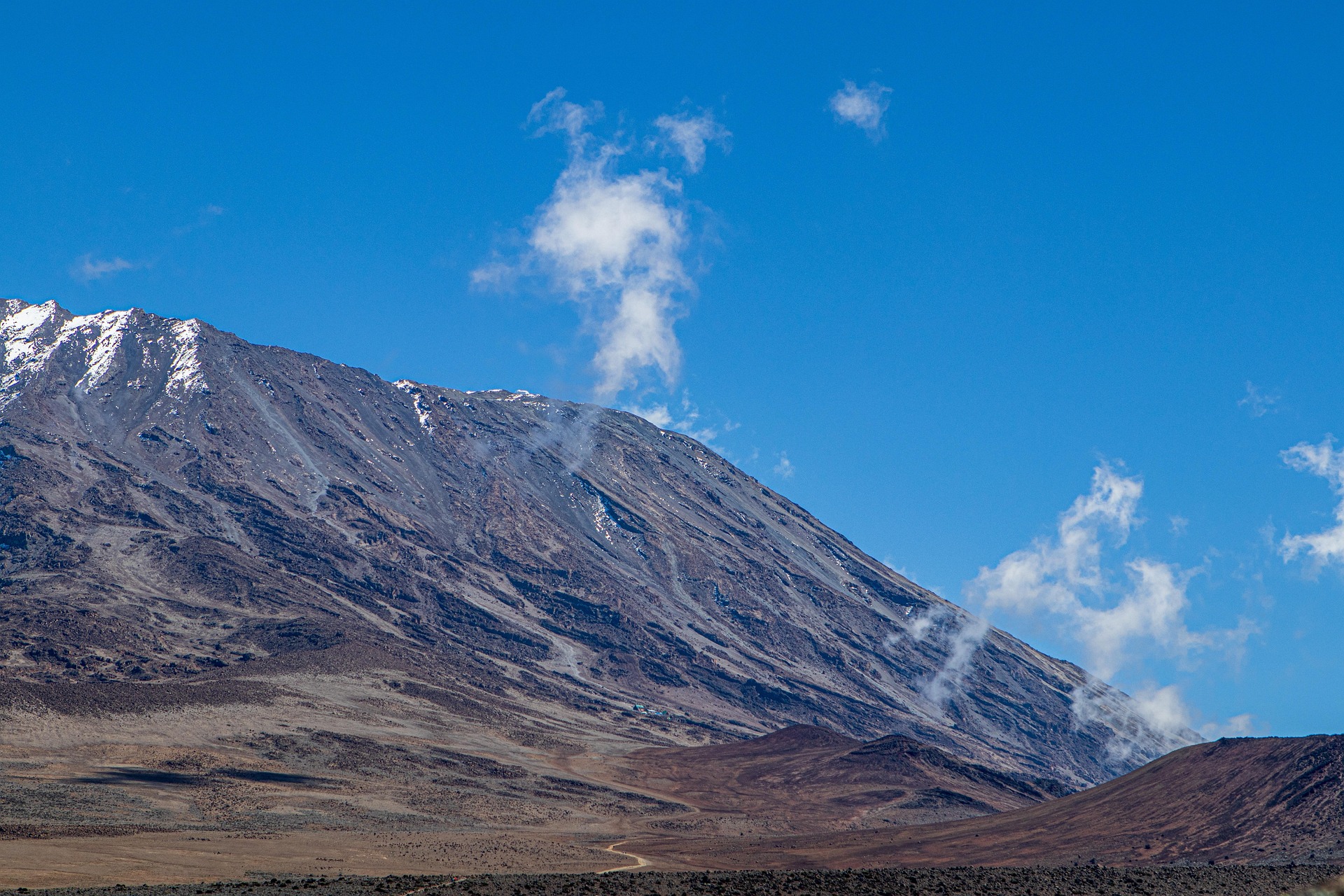
bay user1234nop kilimanjaro 7559241 1920

Kilimanjaro weather by month guide

Understanding Kilimanjaro Weather The weather on Mount Kilimanjaro changes throughout the year and varies greatly depending on altitude. Climbers can experience tropical rainforest conditions at the base and freezing temperatures near the summit within the same trek. Understanding Kilimanjaro weather by month helps trekkers choose the best season for climbing, photography, acclimatization, and overall comfort. January Weather on Kilimanjaro January is one of the best months to climb Kilimanjaro. Conditions are usually: Trekkers often enjoy beautiful summit views and fewer crowds compared to peak season months. Advantages February Weather on Kilimanjaro February is considered one of the warmest and driest months on the mountain. It is highly popular for: The weather is generally excellent across most routes. Advantages March Weather on Kilimanjaro March marks the beginning of changing weather patterns. Early March can still offer good climbing conditions, but rainfall gradually increases toward the end of the month. Conditions Trekkers should prepare for wetter trails. April Weather on Kilimanjaro April is part of Tanzania’s long rainy season and is often considered one of the wettest months on Mount Kilimanjaro. Conditions Although fewer climbers visit during April, some experienced trekkers enjoy the quiet routes and lush scenery. May Weather on Kilimanjaro Rainy conditions often continue through May. The mountain remains: However, toward the end of May, weather may begin improving as the dry season approaches. Challenges June Weather on Kilimanjaro June marks the beginning of the long dry season and is one of the best months to climb. Conditions Climbing traffic begins increasing as trekking season becomes more active. July Weather on Kilimanjaro July is one of the busiest climbing months. Weather conditions are typically: Summit nights can become extremely cold, especially near Uhuru Peak. Advantages August Weather on Kilimanjaro August continues the dry season with reliable mountain weather. This month is popular among international travelers because of holiday schedules and favorable conditions. Conditions Trekkers should book tours early during this peak season. September Weather on Kilimanjaro September offers some of the best climbing conditions of the year. Weather is usually: Many climbers consider September ideal for photography and comfortable trekking. October Weather on Kilimanjaro October remains relatively dry, especially during the first half of the month. Toward late October, short rains may begin appearing. Conditions November Weather on Kilimanjaro November brings the short rainy season. Rainfall is usually lighter than during April and May, but trails can still become slippery. Conditions Some trekkers prefer November because of quieter routes and lower prices. December Weather on Kilimanjaro December weather can vary depending on timing. Early December may still experience some rain, while late December often becomes drier and busier due to holiday travel. Advantages Summit Temperatures Throughout the Year Regardless of the season, the summit zone remains extremely cold. At Uhuru Peak, temperatures may drop below freezing during summit night. Trekkers should always prepare for: Best Months for Climbing Kilimanjaro The most recommended months are: These periods usually provide the best combination of dry weather and clear visibility. Best Months for Fewer Crowds Trekkers looking for quieter trails may prefer: These months often have fewer climbers compared to peak season periods. Tips for Kilimanjaro Weather Preparation Regardless of the month, climbers should pack for all weather conditions. Essential gear includes: Kilimanjaro weather can change rapidly during the trek. Final Thoughts The weather on Mount Kilimanjaro varies significantly by month, affecting trail conditions, visibility, temperatures, and climbing comfort. Dry season months such as January, February, and June through October are generally considered the best times to climb. By understanding Kilimanjaro weather patterns and preparing properly for changing mountain conditions, trekkers can enjoy a safer, more comfortable, and more rewarding adventure to the Roof of Africa.

Kilimanjaro weather by month guide Read Post »

Kilimanjaro dry season vs rainy season

best time to climb Kilimanjaro

When Is the Best Time to Climb Mount Kilimanjaro? Choosing the best time to climb Mount Kilimanjaro is one of the most important decisions for a successful trekking experience. Weather conditions on the mountain can greatly affect visibility, trail conditions, summit success rates, and overall comfort during the climb. Although Kilimanjaro can be climbed throughout the year, certain months offer better weather, clearer skies, and safer trekking conditions. Best Seasons to Climb Kilimanjaro The best time to climb Kilimanjaro is during the dry seasons in Tanzania. These periods are: These months usually provide more stable weather and better climbing conditions. January to March Climbing Season The January to March season is considered one of the best times for climbers seeking: This period is slightly colder than later months, especially during summit night, but many trekkers enjoy the peaceful trails and beautiful scenery. January and February are particularly popular because weather conditions are often stable. Advantages of January to March Challenges June to October Climbing Season The June to October period is the most popular climbing season on Mount Kilimanjaro. These months coincide with Tanzania’s long dry season and offer excellent trekking conditions. Many climbers prefer this season because of: July, August, and September are especially busy months on Kilimanjaro. Advantages of June to October Challenges Rainy Seasons on Kilimanjaro Kilimanjaro experiences two rainy seasons each year. Long Rain Season (March to May) This is generally considered the least favorable time to climb. Heavy rainfall may cause: Some routes become more difficult during this season. However, experienced trekkers seeking solitude may still enjoy climbing during this time. Short Rain Season (November) November usually brings lighter rainfall than the long rainy season. Conditions can vary daily, with sunshine often appearing between showers. Some climbers choose November for quieter trails and lower tour prices. Best Time for Summit Success Higher summit success rates are often associated with: Many trekkers choose the dry seasons because weather conditions make the climb physically easier and safer. Temperature Conditions on Kilimanjaro Temperatures on Kilimanjaro change dramatically with altitude. Lower Slopes The rainforest zone is usually warm and humid. Mid-Mountain Camps Temperatures become cooler, especially at night. Summit Zone At Uhuru Peak, nighttime temperatures can drop below freezing. Summit night is often the coldest and most physically demanding part of the climb. Best Time for Photography Photographers often prefer: These months usually offer: Best Time for Fewer Crowds Trekkers looking for quieter routes may prefer: Peak crowds usually occur during: Best Routes for Different Seasons During Dry Seasons Popular routes include: During Rainy Seasons The Marangu Route is sometimes preferred because hut accommodations provide better shelter from rain. Full Moon Kilimanjaro Climbs Some trekkers schedule climbs during a full moon for better visibility on summit night. A full moon ascent can provide: These departures are often popular and may require early booking. Tips for Choosing the Right Time When selecting your Kilimanjaro climbing dates, consider: No matter the season, proper gear and acclimatization remain essential. Final Thoughts The best time to climb Mount Kilimanjaro is generally during the dry seasons from January to March and June to October. These months provide the most favorable weather, clearer skies, and better trekking conditions for reaching Uhuru Peak. Whether you prefer fewer crowds, snowy summit views, or warm dry trails, choosing the right season can greatly improve your Kilimanjaro experience. With proper preparation and a reliable trekking operator, climbing Africa’s highest mountain becomes an unforgettable adventure.

best time to climb Kilimanjaro Read Post »

Kilimanjaro dry season vs rainy season

how guides monitor health on Kilimanjaro

Understanding Health Monitoring on Mount Kilimanjaro Climbing Mount Kilimanjaro is an exciting adventure, but high altitude can place significant stress on the human body. Because of the mountain’s extreme elevation, professional guides play a critical role in monitoring climbers’ health throughout the trek. Health monitoring on Kilimanjaro helps detect altitude sickness early, prevent serious medical emergencies, and improve climbers’ chances of safely reaching the summit. Why Health Monitoring Is Important The summit of Kilimanjaro, Uhuru Peak, rises to 5,895 meters (19,341 feet) above sea level. At this altitude, oxygen levels are much lower than at sea level, increasing the risk of altitude-related illness. Even healthy and physically fit climbers can develop symptoms of altitude sickness. Regular health checks allow guides to identify problems before they become dangerous. Daily Health Checks During the Climb Most reputable Kilimanjaro operators perform daily health assessments, especially on longer routes. Guides usually check climbers: These evaluations help guides monitor how well each person is acclimatizing. Pulse Oximeter Monitoring One of the most common tools used on Kilimanjaro is a pulse oximeter. A pulse oximeter is a small device placed on the finger that measures: Lower oxygen readings are expected at high altitude, but dangerously low levels may indicate poor acclimatization or serious altitude illness. Guides use pulse oximeters regularly to track climbers’ oxygen adaptation. Monitoring Symptoms of Altitude Sickness Guides carefully watch for signs of Acute Mountain Sickness (AMS). Common symptoms include: If symptoms worsen, guides may recommend rest, medication, or descent. Observation While Hiking Experienced Kilimanjaro guides constantly observe climbers during the trek. They monitor: Changes in behavior or movement can signal altitude problems before the climber notices them. The Importance of “Pole Pole” Guides often encourage trekkers to walk “pole pole,” meaning “slowly slowly” in Swahili. A slow pace helps: Guides carefully control hiking speed to protect climbers’ health. Questions Guides Frequently Ask During the climb, guides commonly ask climbers questions such as: These conversations help guides assess physical and mental condition daily. Emergency Oxygen on Kilimanjaro Many professional trekking companies carry emergency oxygen cylinders during expeditions. Oxygen may be used temporarily if a climber develops severe altitude symptoms while evacuation or descent is arranged. Emergency oxygen is not normally used for summit support but rather for medical emergencies. When Guides Decide to Descend Safety always comes before reaching the summit. If a climber shows serious signs of altitude illness, guides may require immediate descent. Warning signs include: Descending to lower altitude is the most effective treatment for severe altitude sickness. Guide Training and Wilderness First Aid Many licensed Kilimanjaro guides receive training in: Experienced guides are one of the most important safety factors on the mountain. How Climbers Can Help Guides Monitor Their Health Trekkers should always communicate honestly with their guides. Helpful practices include: Hiding symptoms can increase the risk of serious altitude complications. Choosing a Safe Kilimanjaro Operator When booking a Kilimanjaro climb, travelers should choose companies that prioritize safety and health monitoring. Look for operators that provide: Safety standards vary between operators, making company selection extremely important. Final Thoughts Health monitoring on Mount Kilimanjaro is a vital part of every successful climb. Through daily assessments, pulse oximeter readings, symptom checks, and careful observation, guides help climbers adapt safely to high altitude conditions. Professional Kilimanjaro guides are trained to recognize altitude sickness early and respond quickly when problems arise. With experienced support, proper acclimatization, and honest communication, climbers can enjoy a safer and more rewarding journey to the Roof of Africa.

how guides monitor health on Kilimanjaro Read Post »

Kilimanjaro dry season vs rainy season

Kilimanjaro dry season vs rainy season

Kilimanjaro Dry Season vs Rainy Season Mount Kilimanjaro can be climbed all year round, but the experience changes a lot depending on whether you go during the dry season or the rainy season. These two periods affect weather, trail conditions, visibility, crowd levels, prices, and even your chances of reaching the summit successfully. Understanding the difference between the dry season and rainy season helps climbers choose the best time for a safer, more enjoyable Kilimanjaro trek in Tanzania. Overview of Kilimanjaro Seasons Kilimanjaro has two main dry seasons and two rainy seasons: Dry Seasons Rainy Seasons Each season offers a very different trekking experience. Kilimanjaro Dry Season The dry season is the most popular and recommended time to climb Kilimanjaro. During this period, weather conditions are more stable and predictable. Weather Conditions in Dry Season Dry conditions make hiking easier and safer compared to rainy months. Advantages of the Dry Season Better Summit Success Rates Stable weather and dry trails increase the chances of reaching Uhuru Peak. Clear Mountain Views Climbers enjoy breathtaking views of glaciers, sunrise above the clouds, and African landscapes. Easier Trail Conditions Less mud and safer footing make trekking more comfortable. Ideal for Beginners New climbers often find dry-season conditions more manageable. Great for Photography Clear skies provide perfect conditions for landscape and summit photography. Challenges of the Dry Season Crowded Routes Popular months like July, August, and September can be busy on major routes such as Machame and Marangu. Higher Prices Due to demand, trekking packages, flights, and hotels are usually more expensive. Cold Summit Nights Dry season nights, especially in June and July, can be extremely cold at the summit. Best Dry Season Months The most favorable dry season months include: These months offer the best combination of weather and visibility. Kilimanjaro Rainy Season The rainy season offers a completely different trekking experience. While conditions are more challenging, it can also be more peaceful and less crowded. Weather Conditions in Rainy Season Rain is heavier in April and May compared to November. Advantages of the Rainy Season Fewer Tourists Trails and campsites are much quieter, giving a more peaceful experience. Lower Costs Climbing packages and accommodation are often cheaper. Green and Beautiful Scenery The mountain becomes lush and vibrant, especially in the rainforest zone. More Privacy on the Mountain Fewer climbers mean a more personal trekking experience. Challenges of the Rainy Season Difficult Trail Conditions Mud and slippery paths make hiking more physically demanding. Reduced Visibility Clouds and fog often block mountain and summit views. Wet Gear and Clothing Continuous rain can make trekking uncomfortable without proper waterproof equipment. Harder Trekking Experience Rain combined with altitude increases physical difficulty. Long Rainy Season (March to May) This is the wettest period on Kilimanjaro. Conditions include: April is usually the most difficult month for climbing. Short Rainy Season (November) November has lighter and shorter rains compared to April and May. Conditions include: The Rongai Route is often recommended during this time. Comparison: Dry Season vs Rainy Season Weather Trail Conditions Visibility Crowds Prices Difficulty Level Best Routes for Each Season Dry Season Routes Rainy Season Routes Rongai is especially good in rainy months because it receives less rainfall. Which Season Is Better for Beginners? Beginners are strongly advised to climb during the dry season because: Best beginner months include: Which Season Is Better for Experienced Climbers? Experienced trekkers sometimes prefer the rainy season because: However, proper waterproof gear and experience are essential. Packing Differences Dry Season Packing Rainy Season Packing Regardless of season, summit conditions remain freezing. Conclusion The choice between Kilimanjaro’s dry season and rainy season depends on your goals and experience level. The dry season offers the best weather, clearer views, and easier trekking conditions, making it ideal for most climbers. The rainy season provides fewer crowds, lower prices, and a more adventurous experience but comes with tougher trail conditions. Both seasons can lead to a successful summit with the right preparation, proper gear, and experienced guides.

Kilimanjaro dry season vs rainy season Read Post »

Scroll to Top
0

Subtotal