

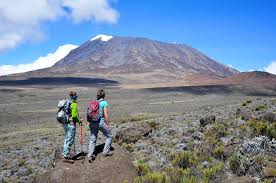
Kilimanjaro Weather at the Summit
What Is the Weather Like at the Kilimanjaro Summit?
The summit weather on Mount Kilimanjaro is one of the biggest challenges climbers face during their trek. At nearly 5,895 meters (19,341 feet) above sea level, the summit zone experiences freezing temperatures, thin air, strong winds, and rapidly changing weather conditions.
Understanding Kilimanjaro summit weather is essential for proper preparation, safety, and a successful climb to Uhuru Peak.
Summit Temperatures on Kilimanjaro
Temperatures at the summit are extremely cold throughout the year.
During summit night, temperatures commonly range between:
- -7°C to -20°C (19°F to -4°F)
Wind chill can make conditions feel even colder.
Although daytime temperatures near the summit may occasionally rise slightly above freezing, nighttime conditions remain harsh in all seasons.
Why the Summit Is So Cold
As altitude increases, air temperature decreases significantly.
Several factors contribute to Kilimanjaro’s cold summit conditions:
- High elevation
- Thin atmosphere
- Strong winds
- Reduced oxygen levels
- Arctic-like climate zone
Despite being located near the equator, Kilimanjaro’s summit experiences conditions similar to polar environments.
Weather Conditions at Uhuru Peak
Climbers reaching Uhuru Peak may encounter:
- Freezing air
- Snow and ice
- Strong winds
- Low oxygen
- Frost-covered rocks
- Rapid weather changes
Conditions can shift quickly within hours, especially during summit night.
Summit Wind Conditions
Wind is one of the toughest challenges at high altitude.
Strong summit winds can:
- Increase cold exposure
- Reduce visibility
- Cause discomfort
- Drain energy quickly
Proper windproof clothing is extremely important during the final ascent.
Oxygen Levels at the Summit
The summit of Kilimanjaro has significantly lower oxygen levels compared to sea level.
At Uhuru Peak, climbers experience roughly 50% of the oxygen available at sea level.
This can cause:
- Heavy breathing
- Fatigue
- Headaches
- Dizziness
- Slower movement
Altitude affects every climber differently regardless of fitness level.
Snow and Glaciers at the Summit
Kilimanjaro is famous for its glaciers and summit ice fields.
Trekkers may see:
- Snow-covered trails
- Ice formations
- Glacier landscapes
- Frozen ground near the crater rim
However, climate change has caused significant glacier reduction over recent decades.
Best Weather Months for Summit Attempts
The best summit weather is usually found during the dry seasons:
- January to March
- June to October
These months often provide:
- Clear skies
- Better visibility
- Reduced rainfall
- More stable summit conditions
Summit Weather During the Rainy Season
During rainy months, summit conditions can become more difficult.
Climbers may face:
- Wet clothing
- Slippery trails
- Cloud cover
- Snowfall at high altitude
- Colder wind exposure
Weather challenges increase significantly during April, May, and November.
Why Summit Climbs Begin at Night
Most summit attempts start around midnight.
This timing helps climbers:
- Reach the summit by sunrise
- Descend before afternoon weather changes
- Trek during firmer ground conditions
Nighttime climbing also avoids stronger daytime sun exposure.
How to Dress for Summit Weather
Layering is essential for staying warm and safe at high altitude.
Recommended summit clothing includes:
- Thermal base layers
- Insulated jacket
- Waterproof outer shell
- Warm gloves
- Winter hat
- Thick socks
- Neck gaiter or scarf
Proper footwear and warm clothing greatly improve comfort during summit night.
Weather Changes Across Climate Zones
One unique aspect of climbing Mount Kilimanjaro is passing through several climate zones.
Trekkers move through:
- Rainforest Zone
- Heath and Moorland
- Alpine Desert
- Arctic Summit Zone
The summit zone is the coldest and harshest environment on the mountain.
Tips for Handling Summit Weather
Stay Hydrated
Cold air and altitude increase dehydration risk.
Climb Slowly
Slow pacing helps conserve energy and improve acclimatization.
Use Proper Gear
High-quality cold-weather equipment is essential.
Protect Exposed Skin
Windburn and frostbite risks increase near the summit.
Listen to Your Guides
Experienced guides monitor climbers closely during summit night.
Mental Challenges of Summit Weather
The summit push is physically and mentally demanding because of:
- Darkness
- Cold temperatures
- Thin air
- Exhaustion
- Long hiking hours
Mental preparation is just as important as physical training.
Final Thoughts
The weather at the summit of Mount Kilimanjaro is cold, windy, and unpredictable throughout the year. Freezing temperatures, low oxygen levels, and harsh summit conditions make proper preparation essential for every climber.
With the right clothing, acclimatization, experienced guides, and careful planning, trekkers can safely reach Uhuru Peak and experience one of the world’s most unforgettable mountain adventures.