Tanzania Travel Blog

climbing Kilimanjaro in January

climbing Kilimanjaro in January

Climbing Kilimanjaro in January Climbing Mount Kilimanjaro in January is one of the most popular choices for trekkers who want good weather, clear views, and a high chance of reaching the summit. January falls within the short dry season in Tanzania, making it one of the most favorable months for trekking Africa’s highest mountain at 5,895 meters. For many climbers, January offers a strong balance between stable conditions, beautiful scenery, and a rewarding summit experience. Why January Is a Good Month for Kilimanjaro January is widely considered one of the best months to climb Kilimanjaro because it comes shortly after the short rains of November and December. The mountain is usually greener, cleaner, and more stable for trekking. Key advantages include: This makes January suitable for both beginners and experienced climbers. Weather Conditions in January Kilimanjaro weather varies by altitude, but January is generally stable and favorable. Typical conditions: Although January is part of the dry season, brief showers can still occur, especially in the lower forest areas. Temperature on Kilimanjaro in January Temperatures depend heavily on altitude rather than the month alone. Approximate ranges: Even in January, summit night is extremely cold and requires proper winter gear. Trail Conditions in January Trail conditions are generally good during January. What to expect: Overall, January offers safer and more comfortable hiking conditions. Crowd Levels in January January is a moderately busy month on Kilimanjaro. Crowd patterns: Popular routes like Machame and Lemosho may still have groups, but the mountain is less crowded than peak summer months like July and August. Best Routes for January Climbs Most Kilimanjaro routes work well in January, but some are especially recommended. Lemosho Route Offers excellent acclimatization, scenic beauty, and high success rates. Machame Route Very popular and scenic, with strong summit success when done over enough days. Rongai Route Drier than southern routes and less crowded. Marangu Route Uses huts instead of tents, making it comfortable but sometimes busier. Northern Circuit Longest route with the best acclimatization and fewer crowds. Summit Experience in January Summit attempts usually start at midnight and take 6 to 8 hours to reach Uhuru Peak. What climbers experience: January often provides excellent visibility at the summit, making sunrise especially memorable. Advantages of Climbing in January These conditions make January one of the most enjoyable months to climb Kilimanjaro. Challenges of January Climbs Although January is favorable, climbers should still be aware of a few challenges: Proper preparation reduces most of these challenges significantly. What to Pack for January Essential gear includes: Layering is very important due to changing temperatures across altitude zones. Is January Good for Beginners? Yes, January is one of the best months for beginners. The weather is generally stable, and trail conditions are easier compared to rainy months. However, beginners should choose longer routes like Lemosho or Machame to improve acclimatization and increase summit success chances. Tips for a Successful January Climb Conclusion Climbing Kilimanjaro in January offers one of the best trekking experiences of the year. With generally dry weather, clear summit views, and comfortable hiking conditions, January provides a strong opportunity for summit success. While summit night remains cold and challenging, proper preparation and the right route make it achievable for most climbers. For many adventurers, January is an ideal month to experience the beauty, challenge, and achievement of reaching the roof of Africa.

climbing Kilimanjaro in January Read Post »
Things to Do in Zanzibar in 5 Days

best time to climb Kilimanjaro

Best Time to Climb Mount Kilimanjaro Mount Kilimanjaro is one of the most famous trekking destinations in the world. Located in Tanzania, Africa’s highest mountain attracts thousands of climbers every year who dream of reaching Uhuru Peak at 5,895 meters above sea level. Choosing the best time to climb Kilimanjaro is very important because weather conditions can affect visibility, trail conditions, comfort, and summit success rates. Understanding Kilimanjaro Weather Kilimanjaro can be climbed throughout the year, but some months offer better weather than others. The mountain has different climate zones, ranging from rainforest at the base to arctic conditions near the summit. Temperatures and weather can change quickly depending on altitude and season. There are two main dry seasons that are considered the best periods for climbing: These months usually provide clearer skies, less rainfall, and safer trekking conditions. Climbing Kilimanjaro from January to March January to mid-March is one of the best times to climb Kilimanjaro. During this period, the weather is generally warm with relatively clear skies. The trails are less crowded compared to the peak tourist season later in the year. Advantages of climbing during this season include: This season is especially good for climbers who prefer quieter trails and a more peaceful trekking experience. Snow at the summit is also more common during these months, creating beautiful scenery. Climbing Kilimanjaro from June to October The second major dry season runs from June through October. This is the most popular period for climbing Kilimanjaro because weather conditions are usually very stable. Benefits of climbing during this period include: July, August, and September are especially busy because they coincide with international holiday seasons. Popular routes such as Machame and Marangu can become crowded, so early booking is recommended. Rainy Seasons on Kilimanjaro Kilimanjaro experiences two rainy seasons: Heavy rainfall during these months can make trails muddy and slippery. Clouds may block mountain views, and climbing conditions become more challenging. However, some experienced trekkers still choose these months because there are fewer tourists and lower tour prices. March to May This is usually the wettest period on Kilimanjaro. Rainfall is frequent, especially in the rainforest zone. Climbers should expect muddy paths and wet gear. Some routes become difficult during this time. November November receives shorter and lighter rains compared to April and May. It is still possible to climb successfully, especially on the northern routes like Rongai, which receive less rainfall. Best Routes Depending on the Season Different Kilimanjaro routes perform differently depending on the weather season. Best Routes During Dry Seasons Best Routes During Rainy Seasons The Rongai Route is located on the northern side of Kilimanjaro near the Kenyan border and generally receives less rainfall. Temperature on Mount Kilimanjaro Temperatures vary greatly depending on altitude. Even during dry seasons, summit nights are extremely cold. Proper clothing and layering are essential for a safe and comfortable climb. Full Moon Climbs Many climbers choose full moon dates because the moonlight creates spectacular night views during summit attempts. Full moon climbs are popular but usually more crowded. Booking early is important if you plan to climb during a full moon period. Best Time for Wildlife and Safari Combination Many travelers combine Kilimanjaro trekking with a Tanzania safari. The dry season from June to October is also excellent for wildlife viewing in Serengeti, Ngorongoro, Tarangire, and other national parks. This makes it an ideal period for a combined adventure holiday. Best Time for Beginners For beginners, the best months to climb Kilimanjaro are usually January, February, September, and October. These months often provide the best balance of stable weather, manageable temperatures, and good trail conditions. Choosing a longer route such as Lemosho or Northern Circuit during these months can improve acclimatization and increase summit success rates. Tips for Choosing Your Climbing Season When planning your Kilimanjaro climb, consider the following factors: Dry seasons offer the easiest conditions, while rainy seasons may provide quieter trails and lower costs. Conclusion The best time to climb Mount Kilimanjaro is during the dry seasons from January to mid-March and June to October. These months provide the most favorable weather, clearer views, and safer trekking conditions. However, Kilimanjaro remains a year-round destination, and every season offers a unique experience. Choosing the right time depends on your personal preferences, trekking goals, and travel plans in Tanzania.

best time to climb Kilimanjaro Read Post »

Download 2 1

Tanzania Big Five where to see them

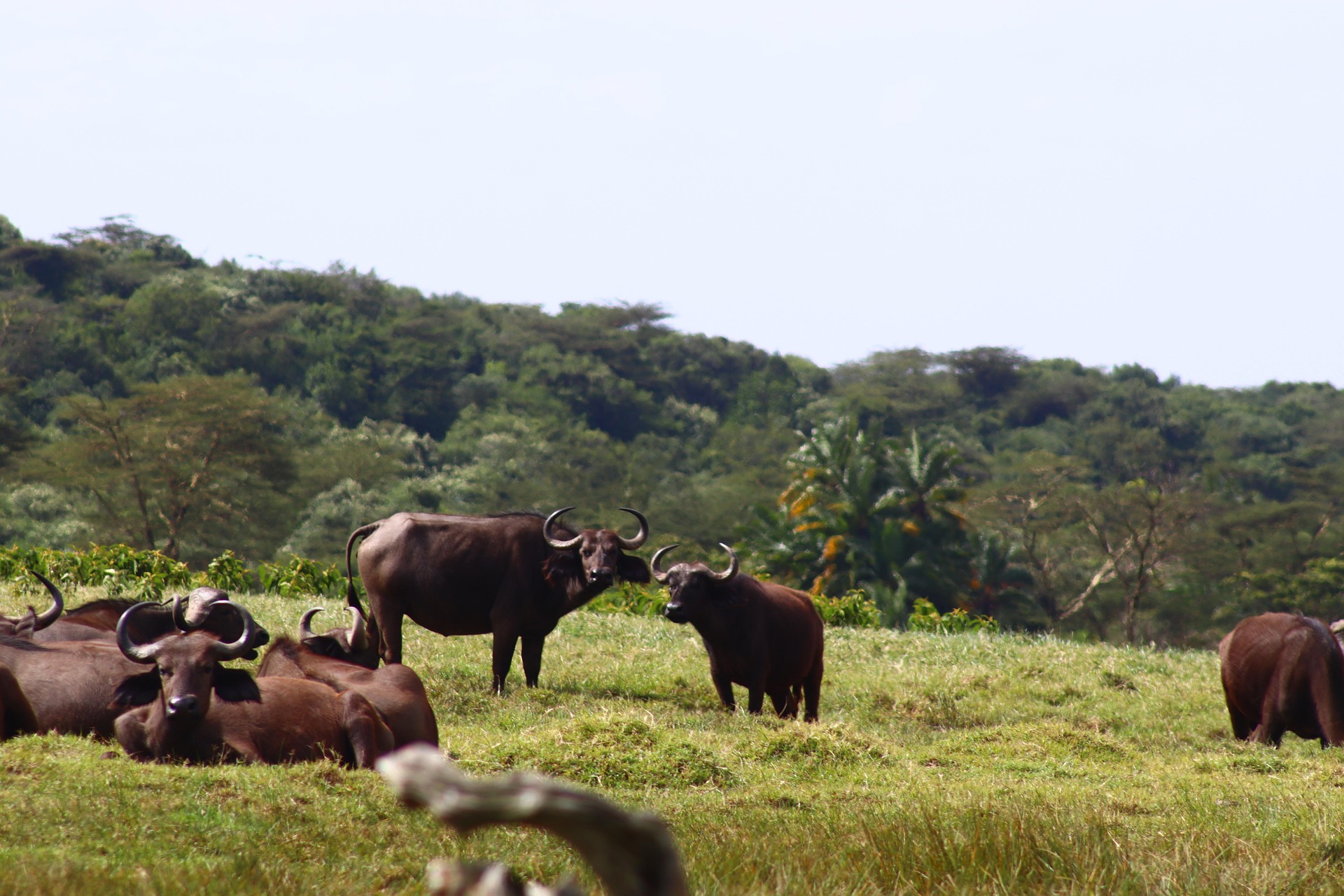
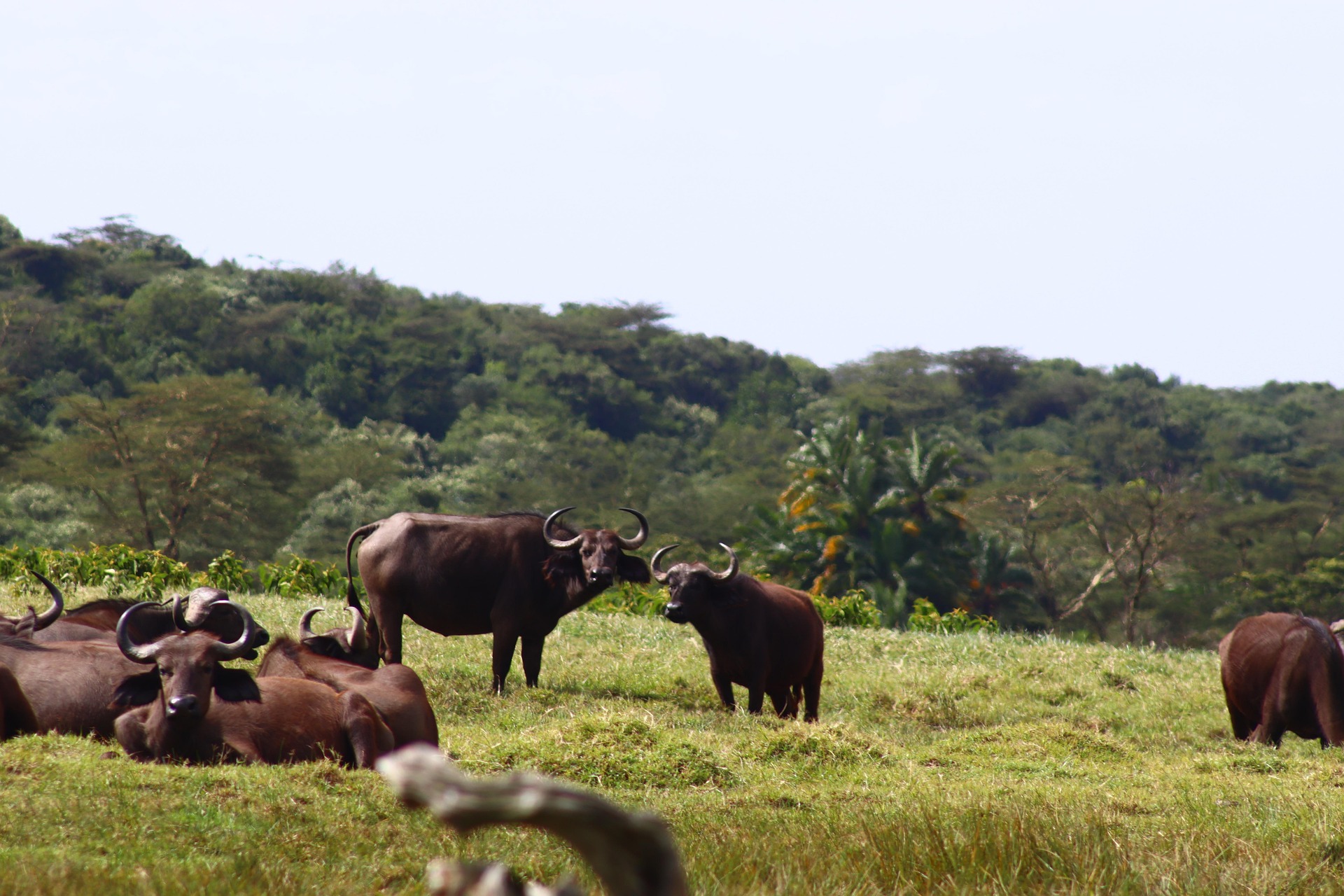
Tanzania is one of the best safari destinations in Africa for seeing the famous “Big Five” — lion, leopard, elephant, buffalo, and rhinoceros. Originally named by hunters because they were considered the most difficult animals to hunt on foot, the Big Five are now among the most sought-after wildlife sightings for safari travelers. From vast savannah plains to volcanic craters and river valleys, Tanzania offers several outstanding locations where visitors can experience these iconic animals in their natural habitats. Lion: The King of the Savannah Tanzania is home to one of the largest lion populations in Africa. Lions are commonly seen resting under trees, hunting on open plains, or moving in prides across grasslands. The best places to see lions include: The Serengeti is especially famous for dramatic predator action during the Great Migration. Leopard: The Elusive Predator Leopards are solitary and often difficult to spot because they spend much of their time hidden in trees or thick vegetation. However, Tanzania provides excellent opportunities for sightings. Top locations include: Early morning and evening game drives offer the best chances of seeing them. Elephant: Giant Herds Across the Plains Tanzania is famous for its large elephant populations, especially in parks with permanent water sources. Best places for elephants: Tarangire is particularly impressive during the dry season when elephants gather near the river. Buffalo: Common but Powerful African buffalo are among the most widespread animals in Tanzania’s parks. They are often seen in large herds grazing across plains or resting near water. Excellent places to see buffalo include: Buffalo are highly social animals and can sometimes be surprisingly aggressive when threatened. Rhinoceros: The Rarest Big Five Animal The black rhinoceros is the hardest member of the Big Five to see in Tanzania because of its low population numbers and protected status. The best place to see rhinos is: Ngorongoro offers one of the few reliable chances to spot endangered black rhinos in East Africa. Best Safari Circuits for the Big Five Northern Safari Circuit This is the most popular route and includes: It provides the highest chance of seeing all Big Five animals within a relatively short safari. Southern Safari Circuit Less crowded and more remote destinations include: These parks offer a more wild and exclusive safari experience. Best Time to See the Big Five The dry season from June to October is generally considered the best time for wildlife viewing because: However, Tanzania offers year-round safari opportunities with different seasonal advantages. Final Thoughts Tanzania is one of the few countries where travelers can realistically experience all members of the Big Five during a single safari journey. Whether you are tracking lions in the Serengeti, searching for rhinos in Ngorongoro, or watching giant elephant herds in Tarangire, every park offers unforgettable wildlife encounters that showcase the beauty and diversity of African safari adventures.

Tanzania Big Five where to see them Read Post »

diamox for kilimanjaro should you take it

Lake Manyara flamingos and tree-climbing lions

Lake Manyara Flamingos and Tree-Climbing Lions: What to Expect Nestled at the base of the Great Rift Valley escarpment, Lake Manyara National Park is one of Tanzania’s most scenic safari destinations. The park is famous for two unique attractions — thousands of pink flamingos gathering along the lake shores and the rare tree-climbing lions often seen resting in acacia branches. Although smaller than many other Tanzanian parks, Lake Manyara offers an incredibly diverse safari experience packed into a compact area. The Famous Flamingos of Lake Manyara Lake Manyara itself is a shallow alkaline lake that attracts large numbers of water birds throughout the year. Flamingos are among the park’s most iconic sights, especially when conditions are favorable. Visitors can expect: The lake is also home to pelicans, storks, herons, and many other bird species, making it a paradise for birdwatchers. Tree-Climbing Lions: A Rare Safari Sight One of the park’s most unusual features is its population of tree-climbing lions. Unlike most lions that rest on the ground, these lions are often spotted lounging on tree branches during the heat of the day. While scientists still debate the exact reason for this behavior, possible explanations include: Seeing a lion stretched across a tree branch is a rare and memorable safari moment that attracts photographers from around the world. Best Time to Visit Lake Manyara can be visited year-round, but experiences vary by season. Flamingo populations change depending on rainfall and lake conditions, so sightings may vary throughout the year. Wildlife Beyond Lions and Flamingos Despite its smaller size, the park supports diverse wildlife, including: The park’s varied habitats allow visitors to experience forests, grasslands, wetlands, and lakes within a single safari drive. Scenic Beauty and Landscape Lake Manyara is known for its stunning scenery. The dramatic Rift Valley escarpment rises above the park, while groundwater forests filled with giant trees create a cool and refreshing atmosphere near the entrance. The mix of forest, open plains, and lake views makes the park feel very different from the Serengeti or Tarangire. Safari Experience Game drives in Lake Manyara are often shorter but highly rewarding due to the park’s compact nature. Visitors frequently enjoy: Final Thoughts Lake Manyara National Park offers a unique safari experience that combines rare wildlife behavior, rich birdlife, and breathtaking scenery. Whether you are watching flamingos paint the lakeshore pink or spotting lions resting high in the trees, the park delivers unforgettable moments in one of Tanzania’s most beautiful landscapes.

Lake Manyara flamingos and tree-climbing lions Read Post »

bay user1234nop buffalo 7559232 1920

Serengeti vs Masai Mara which is better

Serengeti vs Masai Mara: Which Is Better for Safari? When planning an African safari, many travelers compare Serengeti National Park and Maasai Mara National Reserve. Both destinations are world-famous for wildlife, breathtaking landscapes, and the Great Migration, but each offers a different safari experience. Choosing between them depends on your travel style, budget, wildlife interests, and the type of adventure you want. Size and Landscape One of the biggest differences is size. The Serengeti is much larger, covering vast open plains that seem endless. Its enormous ecosystem creates a feeling of true wilderness and remoteness. Visitors often experience long game drives with dramatic scenery and fewer signs of human activity. The Maasai Mara is smaller and more compact, making wildlife easier to locate in a shorter amount of time. The landscape consists mainly of rolling grasslands with scattered acacia trees, creating classic safari views. Wildlife Viewing Both destinations offer incredible wildlife experiences and excellent chances to see the Big Five. Serengeti The Serengeti is known for: Because of its size, the Serengeti often feels less crowded outside major migration hotspots. Maasai Mara The Maasai Mara is famous for: For travelers with limited time, the Mara can provide faster and more concentrated wildlife viewing. The Great Migration The Great Migration moves between Tanzania and Kenya throughout the year. The famous river crossings with crocodiles are often associated with the Maasai Mara, although crossings also happen in northern Serengeti. Crowds and Safari Atmosphere The Serengeti generally offers a more remote and wild atmosphere because of its larger size. Some areas remain quiet even during peak season. The Maasai Mara can become busier, especially near river crossings and popular wildlife sightings. During peak migration months, multiple safari vehicles may gather around major events. Safari Costs Costs vary depending on accommodation style and travel season. However, Tanzania often offers longer multi-park safari circuits that include destinations like Ngorongoro Conservation Area and Tarangire National Park. Best for Different Travelers Choose Serengeti if you want: Choose Maasai Mara if you want: Cultural Experience Both destinations provide opportunities to learn about Maasai culture through village visits and community tourism experiences. These encounters allow visitors to explore traditional lifestyles, clothing, music, and cattle-herding traditions. So, Which Is Better? There is no single winner because both destinations are extraordinary. For many safari enthusiasts, the best solution is experiencing both as part of a combined East African safari journey. Final Thoughts Whether you choose the Serengeti or Maasai Mara, you will experience some of the best wildlife viewing on Earth. Both parks deliver unforgettable encounters with lions, elephants, cheetahs, and the Great Migration. The difference lies mainly in safari style, landscape scale, and travel preferences rather than wildlife quality itself.

Serengeti vs Masai Mara which is better Read Post »

Kilimanjaro dry season vs rainy season

Ngorongoro Crater safari guide

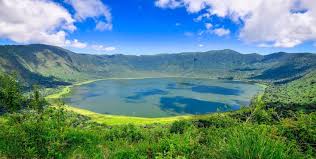
Ngorongoro Crater Safari Guide: What to Expect A safari to the Ngorongoro Crater is one of the most extraordinary wildlife experiences in Africa. Often described as a natural “wildlife paradise,” it takes place inside a massive volcanic caldera located within Ngorongoro Conservation Area in northern Tanzania. The crater floor creates a self-contained ecosystem where animals, landscapes, and human history come together in a truly remarkable setting. Understanding the Ngorongoro Crater The Ngorongoro Crater was formed millions of years ago when a massive volcano collapsed inward. Today, it is the world’s largest inactive, intact volcanic caldera. The crater is about 600 meters deep and roughly 20 kilometers wide, creating a natural enclosure for thousands of animals. Because animals rarely migrate in or out, the crater offers one of the highest concentrations of wildlife in Africa year-round. Wildlife You Can Expect to See A safari in the crater gives you a high chance of seeing a wide range of animals in a single day. Common sightings include: One of the special highlights is the possibility of spotting the endangered black rhinoceros, which is rarely seen elsewhere in Tanzania. Safari Experience Most safaris begin early in the morning when animals are most active. Visitors descend into the crater in 4×4 safari vehicles via a steep road along the crater rim. The descent itself offers breathtaking views of the entire caldera. Game drives usually last several hours, covering different habitats such as grasslands, forests, swamps, and lakes. Because the area is relatively small compared to other parks, wildlife sightings are frequent and close. Best Time to Visit The Ngorongoro Crater can be visited year-round, but conditions vary: Wildlife is present throughout the year due to the crater’s permanent water and grazing areas. Landscape and Scenery Beyond wildlife, the crater offers dramatic scenery. Mist often rises over the rim in the early morning, while the floor reveals sweeping plains, lakes, and forest patches. The contrast between the high crater walls and the open floor creates one of the most photogenic safari settings in Africa. Cultural Experience Nearby Visitors often combine their safari with cultural experiences involving the Maasai communities living around the crater. These encounters offer insight into traditional lifestyles, cattle herding practices, and cultural heritage that has existed alongside wildlife for centuries. What Makes It Special Unlike large parks where animals roam over vast distances, Ngorongoro offers a concentrated safari experience. In just one day, you can see almost all of Africa’s iconic safari animals in a single location. The combination of geology, wildlife, and scenery makes it one of the most unforgettable safari destinations in the world. Final Thoughts A visit to the Ngorongoro Crater is not just a game drive—it is an immersion into a natural wonder shaped by millions of years of geological history. Whether you are a first-time safari traveler or an experienced explorer, the crater delivers a compact but incredibly rich wildlife experience that stands out even in a country filled with world-class parks.

Ngorongoro Crater safari guide Read Post »

Kilimanjaro dry season vs rainy season

Tarangire National Park elephant herds

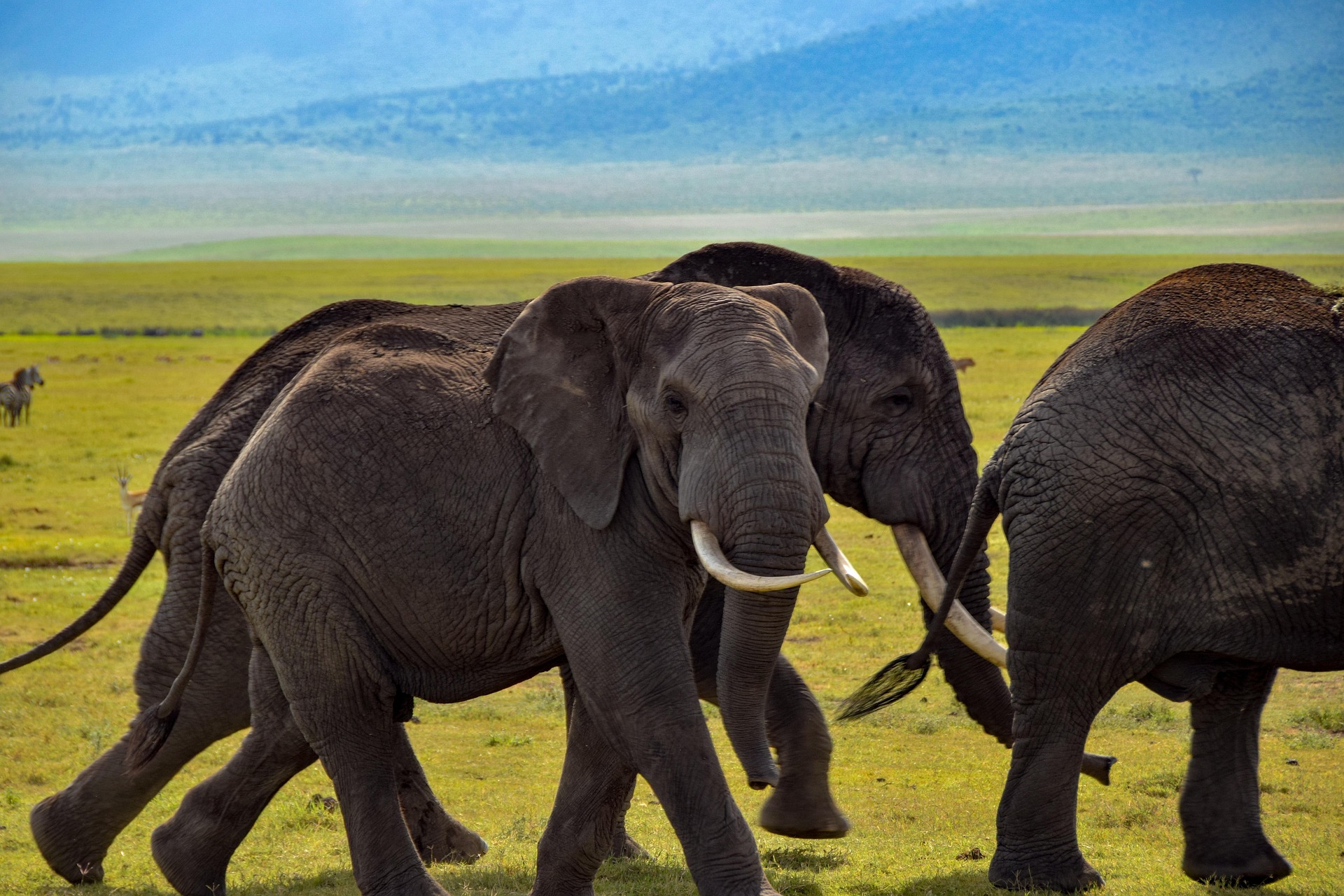
Tarangire National Park Elephant Herds: What to Expect Known for its massive elephant populations and iconic baobab trees, Tarangire National Park is one of Tanzania’s most rewarding safari destinations. Located in northern Tanzania, the park is especially famous for its large elephant herds that gather along the Tarangire River during the dry season, creating unforgettable wildlife viewing opportunities. Why Tarangire Is Famous for Elephants Tarangire National Park is home to some of the largest elephant concentrations in East Africa. During peak season, visitors can witness herds numbering from dozens to even hundreds of elephants moving together across the landscape. The park’s permanent river acts as a crucial water source, especially during dry months when animals from surrounding areas migrate into Tarangire in search of water and grazing land. What You Can Expect to See Elephant encounters in Tarangire are often close and frequent. Visitors commonly see: Because elephants are highly social animals, watching their interactions is one of the most fascinating parts of a Tarangire safari. Best Time to See Elephant Herds The dry season from June to October is considered the best time to visit Tarangire for elephant viewing. During this period: The concentration of animals during the dry season makes Tarangire one of the best parks in Tanzania for wildlife density. Landscape and Safari Experience Tarangire offers a different atmosphere compared to other northern Tanzania parks. The landscape is characterized by: Game drives are usually peaceful and less crowded than in more famous parks like the Serengeti. This creates a more relaxed and intimate safari experience. Other Wildlife in Tarangire Although elephants are the main attraction, the park also supports a wide variety of wildlife, including: The diversity of wildlife makes Tarangire ideal for both first-time and experienced safari travelers. Photography Opportunities Tarangire is considered one of the most photogenic parks in Tanzania. The combination of giant elephants, golden grasslands, and towering baobab trees creates dramatic safari images, especially during sunrise and sunset. Photographers often appreciate the park’s quieter environment, allowing more time to observe and capture animal behavior naturally. Why Tarangire Stands Out Unlike some parks where wildlife can be spread over vast distances, Tarangire offers concentrated viewing during the dry season. The park’s elephant herds are not only large in number but also highly active and visible, giving visitors exceptional opportunities to observe their daily behavior. Final Thoughts A safari in Tarangire National Park offers one of the best elephant experiences in Africa. From giant tuskers walking beneath ancient baobab trees to playful calves gathering near the riverbanks, the park delivers unforgettable wildlife moments in a peaceful and scenic setting. For travelers seeking authentic safari experiences beyond the more crowded routes, Tarangire remains one of Tanzania’s hidden gems.

Tarangire National Park elephant herds Read Post »

KILIMANJARO LAYERING SYSTEM EXPLAINED

KILIMANJARO GEAR RENTAL IN MOSHI

Renting mountain gear in Moshi is one of the easiest and most affordable ways to prepare for climbing Mount Kilimanjaro. Since many travelers only climb Kilimanjaro once, renting equipment helps avoid the high cost of buying expensive mountain gear that may never be used again. Moshi is the main gateway town for Kilimanjaro expeditions, and it has several outdoor shops and trekking companies that offer high-quality rental equipment for climbers. Most rental stores provide everything needed for the mountain, from sleeping bags and down jackets to trekking poles and waterproof clothing. WHY RENT GEAR IN MOSHI? Many climbers arrive in Tanzania without full mountain equipment because renting locally is often cheaper and more convenient. BENEFITS OF RENTING: Most shops in Moshi understand exactly what is needed for Kilimanjaro conditions and can help you choose suitable equipment. WHAT GEAR CAN YOU RENT? Almost everything required for climbing Mount Kilimanjaro can be rented in Moshi. COMMON RENTAL ITEMS: Some shops also rent camping accessories and summit gear. POPULAR GEAR RENTAL SHOPS IN MOSHI Here are some well-known gear rental stores in Moshi: Gilmans Outdoor Store 5.0•Equipment rental agency•Open One of the best-known rental shops in Moshi offering trekking poles, sleeping bags, insulated jackets, waterproof layers, and summit gear. The store is popular among Kilimanjaro climbers and has strong reviews for gear quality and service. Kilimanjaro Rental Gears 4.6•Outdoor clothing and equipment shop•Open Located in Moshi town, this shop specializes in mountain gear rentals for Kilimanjaro expeditions, including clothing, sleeping bags, and trekking equipment. Kilimanjaro Adventure Store 4.6•Outdoor sports store•Open Offers outdoor sports and trekking equipment suitable for Kilimanjaro climbers. RRM Outdoor Rental Equipment Store 5.0•Outdoor sports store•Open Provides rental equipment for trekking and outdoor adventures around Kilimanjaro. AT Gear 4.1•Store•Open Outdoor gear store in Moshi offering mountain clothing and trekking accessories. HOW MUCH DOES GEAR RENTAL COST? Rental prices depend on the item and duration of your climb. AVERAGE RENTAL COSTS: Complete rental packages for Kilimanjaro usually cost around: SHOULD YOU RENT OR BRING YOUR OWN GEAR? Most experienced climbers recommend: BRING YOUR OWN: RENT LOCALLY: Personal items fit better when owned, while bulky or expensive equipment is often easier to rent. TIPS BEFORE RENTING GEAR Before taking rental equipment: ALWAYS CHECK: Try on clothing and test equipment before your climb begins. WHEN SHOULD YOU RENT? Most climbers rent gear: It’s recommended to reserve important items early during busy climbing seasons: Some tour operators also arrange rentals directly through their offices. CAN YOU CLIMB KILIMANJARO USING FULLY RENTED GEAR? Yes. Many climbers successfully summit Mount Kilimanjaro using mostly rented equipment. According to climber discussions online, some trekkers rent nearly all their mountain gear in Moshi and complete the climb comfortably. However, having properly fitting boots and comfortable personal clothing is still very important. FINAL THOUGHTS Kilimanjaro gear rental in Moshi is a practical and budget-friendly option for climbers from around the world. With several specialized outdoor shops offering quality trekking equipment, you can prepare for the mountain without spending thousands of dollars on new gear. Whether you need a warm sleeping bag, trekking poles, or summit clothing, Moshi provides convenient access to almost everything required for climbing Mount Kilimanjaro safely and comfortably.

KILIMANJARO GEAR RENTAL IN MOSHI Read Post »

istockphoto 1871653042 1024x1024

best time to visit Serengeti National Park

Best Time to Visit Serengeti National Park: What to Expect Choosing the best time to visit Serengeti National Park depends on what you want to see during your safari. The park is active all year, but wildlife movements, weather conditions, and safari experiences change with the seasons. Understanding these patterns helps you plan a trip that matches your expectations. Overview of the Seasons The Serengeti has two main seasons: Each season offers a different kind of safari experience, from dramatic river crossings to lush green landscapes filled with newborn animals. June to October: Best for Wildlife Viewing and River Crossings This is widely considered the best overall time to visit. During this period: One of the biggest highlights is the river crossings in the northern Serengeti, where millions of wildebeest and zebras attempt to cross crocodile-filled rivers during the Great Migration. This is one of the most dramatic wildlife spectacles in the world. It is also the peak tourist season, meaning more safari vehicles and higher accommodation prices. January to March: Best for Calving Season This is the time when the southern plains of the Serengeti become a nursery. You can expect: This is one of the best times for visitors who want action-packed wildlife encounters. April to May: Best for Budget Travel and Green Landscapes This is the rainy season and the quietest time in the park. Expect: While wildlife is still present, it can be harder to spot due to thick vegetation. However, photographers often love this season for its vibrant landscapes. November to December: Short Rains and Migration Movement This period marks the beginning of the migration returning south. You will see: Rain is usually short and scattered, so safari activities continue normally. Best Time Based on Your Interest Weather Considerations The Serengeti is generally warm throughout the year: Rainy seasons can make some roads challenging, but they also bring dramatic scenery and abundant wildlife. Final Thoughts There is no “bad” time to visit the Serengeti—only different experiences. Whether you want to witness the Great Migration, see predators in action, or enjoy peaceful green landscapes, each season offers something unique. The key is matching your travel dates with the wildlife experience you value most.

best time to visit Serengeti National Park Read Post »

Day Trip Tarangire National Park

Great Migration Tanzania what to expect

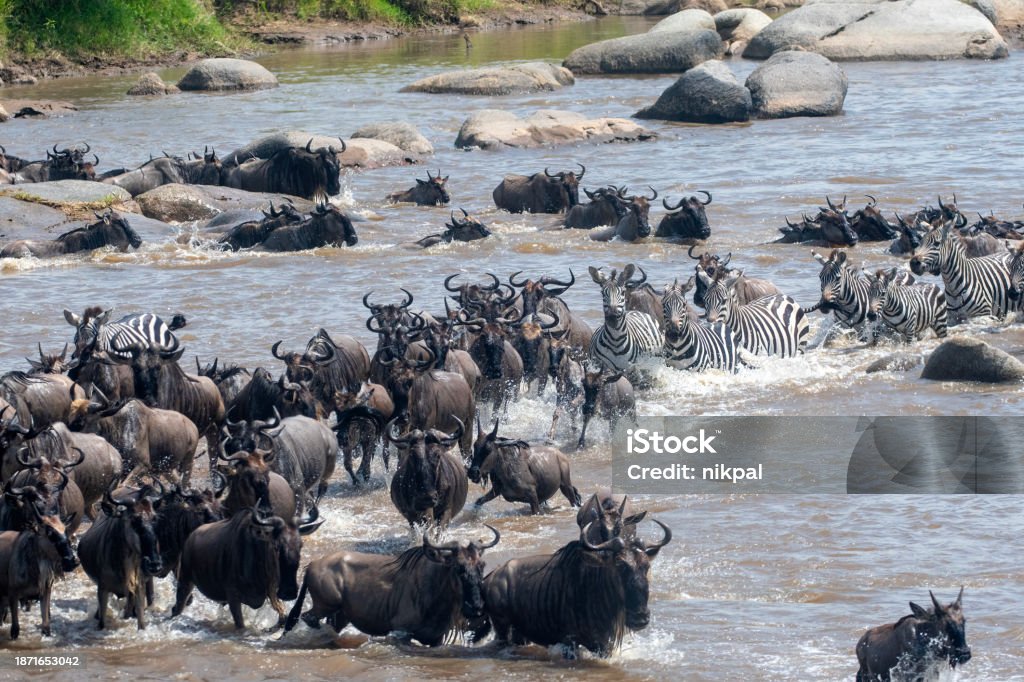
Great Migration in Tanzania: What to Expect The Great Migration in Tanzania is one of the most spectacular wildlife events on Earth, drawing visitors from all over the world to witness millions of animals moving across vast plains in search of fresh grazing and water. At the heart of this natural wonder is the famous ecosystem of Serengeti National Park, where the migration unfolds in dramatic and unpredictable cycles throughout the year. Understanding the Great Migration The Great Migration involves over 1.5 million wildebeest, hundreds of thousands of zebras, and large numbers of gazelles moving in a circular route between Tanzania and Kenya. The movement is driven by rainfall patterns and the search for fresh grass. While it is often called a “migration,” it is actually a continuous, year-round journey rather than a single event. In Tanzania, the most significant and lengthy portion of this movement takes place inside the Serengeti ecosystem, especially in the southern plains, western corridor, and northern regions near the border with Kenya. What You Will See Visitors can expect dramatic wildlife scenes depending on the season: Wildlife Encounters Beyond wildebeest and zebras, the migration supports a rich ecosystem. You are likely to see: This makes the Serengeti one of the richest biodiversity regions in Africa. Best Time to Visit There is no single “best time” because the migration is year-round, but your experience depends on what you want to see: Safari Experience Safaris during the migration usually involve game drives in open 4×4 vehicles, guided by experienced trackers who understand animal movements. Accommodations range from luxury lodges to mobile tented camps that follow the herds across the plains, offering a closer and more immersive experience. You may also combine your Serengeti safari with visits to nearby destinations like Ngorongoro Conservation Area, which offers a unique crater ecosystem filled with wildlife in a compact space. What to Expect Overall Expect long days in the wild, early morning game drives, and unpredictable but rewarding wildlife encounters. The migration is not guaranteed in one spot at a specific time, so patience is part of the adventure. Weather conditions, animal behavior, and seasonal changes all influence what you will see. Most importantly, expect unforgettable moments—thundering herds crossing open plains, dramatic predator-prey interactions, and landscapes that feel untouched by time. Final Thoughts The Great Migration in Tanzania is more than a safari attraction; it is a living example of nature’s balance and survival. Whether you are a first-time visitor or a seasoned traveler, witnessing this movement in the Serengeti is a powerful experience that stays with you long after you leave the plains

Great Migration Tanzania what to expect Read Post »

Scroll to Top
0

Subtotal