

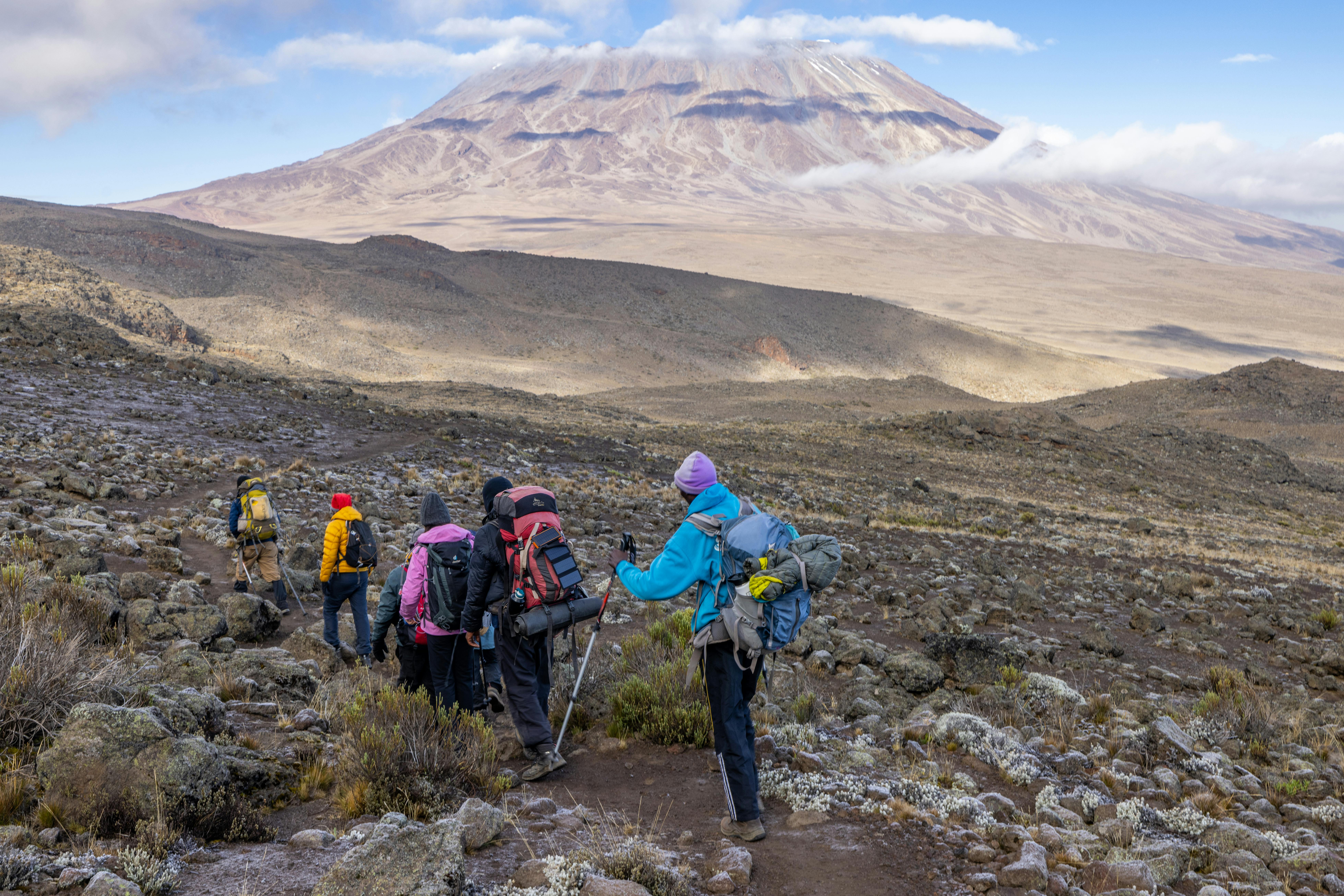
Understanding Health Monitoring on Mount Kilimanjaro
Climbing Mount Kilimanjaro is an exciting adventure, but high altitude can place significant stress on the human body. Because of the mountain’s extreme elevation, professional guides play a critical role in monitoring climbers’ health throughout the trek.
Health monitoring on Kilimanjaro helps detect altitude sickness early, prevent serious medical emergencies, and improve climbers’ chances of safely reaching the summit.
Why Health Monitoring Is Important
The summit of Kilimanjaro, Uhuru Peak, rises to 5,895 meters (19,341 feet) above sea level. At this altitude, oxygen levels are much lower than at sea level, increasing the risk of altitude-related illness.
Even healthy and physically fit climbers can develop symptoms of altitude sickness. Regular health checks allow guides to identify problems before they become dangerous.
Daily Health Checks During the Climb
Most reputable Kilimanjaro operators perform daily health assessments, especially on longer routes.
Guides usually check climbers:
- In the morning
- After reaching camp
- Before summit attempts
- Whenever symptoms appear
These evaluations help guides monitor how well each person is acclimatizing.
Pulse Oximeter Monitoring
One of the most common tools used on Kilimanjaro is a pulse oximeter.
A pulse oximeter is a small device placed on the finger that measures:
- Blood oxygen saturation (SpO2)
- Heart rate
Lower oxygen readings are expected at high altitude, but dangerously low levels may indicate poor acclimatization or serious altitude illness.
Guides use pulse oximeters regularly to track climbers’ oxygen adaptation.
Monitoring Symptoms of Altitude Sickness
Guides carefully watch for signs of Acute Mountain Sickness (AMS).
Common symptoms include:
- Headache
- Nausea
- Dizziness
- Fatigue
- Loss of appetite
- Difficulty sleeping
- Shortness of breath
If symptoms worsen, guides may recommend rest, medication, or descent.
Observation While Hiking
Experienced Kilimanjaro guides constantly observe climbers during the trek.
They monitor:
- Walking pace
- Breathing patterns
- Coordination
- Energy levels
- Mental alertness
Changes in behavior or movement can signal altitude problems before the climber notices them.
The Importance of “Pole Pole”
Guides often encourage trekkers to walk “pole pole,” meaning “slowly slowly” in Swahili.
A slow pace helps:
- Reduce exhaustion
- Improve acclimatization
- Stabilize breathing
- Lower altitude sickness risk
Guides carefully control hiking speed to protect climbers’ health.
Questions Guides Frequently Ask
During the climb, guides commonly ask climbers questions such as:
- Do you have a headache?
- Are you feeling dizzy?
- Are you eating well?
- How is your breathing?
- Did you sleep well?
These conversations help guides assess physical and mental condition daily.
Emergency Oxygen on Kilimanjaro
Many professional trekking companies carry emergency oxygen cylinders during expeditions.
Oxygen may be used temporarily if a climber develops severe altitude symptoms while evacuation or descent is arranged.
Emergency oxygen is not normally used for summit support but rather for medical emergencies.
When Guides Decide to Descend
Safety always comes before reaching the summit.
If a climber shows serious signs of altitude illness, guides may require immediate descent. Warning signs include:
- Confusion
- Loss of coordination
- Persistent vomiting
- Severe breathing difficulty
- Inability to walk properly
- Extremely low oxygen levels
Descending to lower altitude is the most effective treatment for severe altitude sickness.
Guide Training and Wilderness First Aid
Many licensed Kilimanjaro guides receive training in:
- Wilderness first aid
- Altitude sickness management
- Emergency evacuation procedures
- CPR
- Rescue coordination
Experienced guides are one of the most important safety factors on the mountain.
How Climbers Can Help Guides Monitor Their Health
Trekkers should always communicate honestly with their guides.
Helpful practices include:
- Reporting symptoms early
- Staying hydrated
- Eating properly
- Resting when needed
- Following guide instructions
Hiding symptoms can increase the risk of serious altitude complications.
Choosing a Safe Kilimanjaro Operator
When booking a Kilimanjaro climb, travelers should choose companies that prioritize safety and health monitoring.
Look for operators that provide:
- Certified guides
- Pulse oximeter checks
- Emergency oxygen
- First aid equipment
- Proper acclimatization schedules
Safety standards vary between operators, making company selection extremely important.
Final Thoughts
Health monitoring on Mount Kilimanjaro is a vital part of every successful climb. Through daily assessments, pulse oximeter readings, symptom checks, and careful observation, guides help climbers adapt safely to high altitude conditions.
Professional Kilimanjaro guides are trained to recognize altitude sickness early and respond quickly when problems arise. With experienced support, proper acclimatization, and honest communication, climbers can enjoy a safer and more rewarding journey to the Roof of Africa.