
Kilimanjaro Dry Season vs Rainy Season
Mount Kilimanjaro can be climbed all year round, but the experience changes a lot depending on whether you go during the dry season or the rainy season. These two periods affect weather, trail conditions, visibility, crowd levels, prices, and even your chances of reaching the summit successfully.
Understanding the difference between the dry season and rainy season helps climbers choose the best time for a safer, more enjoyable Kilimanjaro trek in Tanzania.
Overview of Kilimanjaro Seasons
Kilimanjaro has two main dry seasons and two rainy seasons:
Dry Seasons
- January to mid-March
- June to October
Rainy Seasons
- March to May (long rains)
- November (short rains)
Each season offers a very different trekking experience.
Kilimanjaro Dry Season
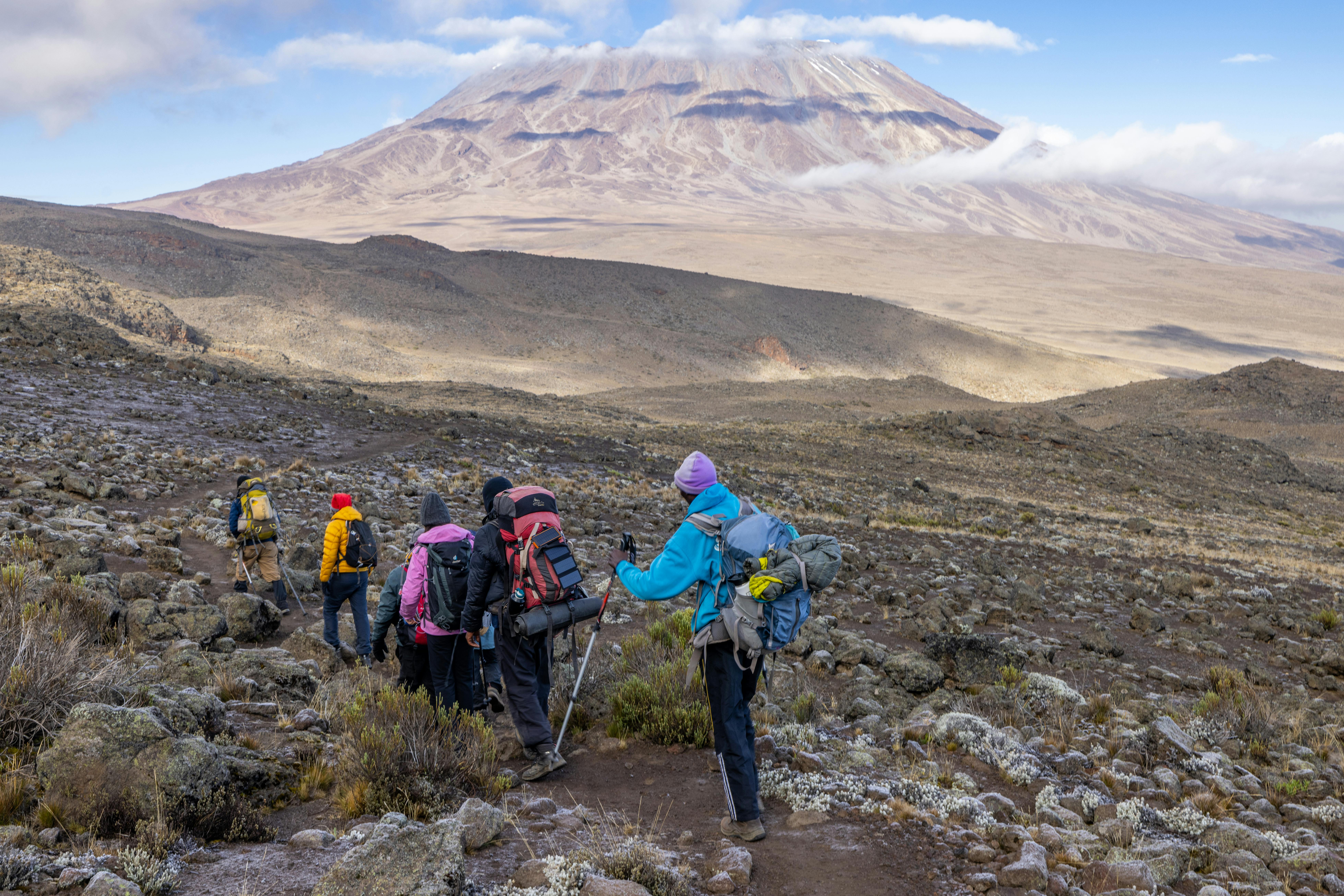
The dry season is the most popular and recommended time to climb Kilimanjaro. During this period, weather conditions are more stable and predictable.
Weather Conditions in Dry Season
- Mostly clear skies
- Low rainfall
- Dry trekking routes
- Cold nights at higher altitude
- Excellent visibility
Dry conditions make hiking easier and safer compared to rainy months.
Advantages of the Dry Season
Better Summit Success Rates
Stable weather and dry trails increase the chances of reaching Uhuru Peak.
Clear Mountain Views
Climbers enjoy breathtaking views of glaciers, sunrise above the clouds, and African landscapes.
Easier Trail Conditions
Less mud and safer footing make trekking more comfortable.
Ideal for Beginners
New climbers often find dry-season conditions more manageable.
Great for Photography
Clear skies provide perfect conditions for landscape and summit photography.
Challenges of the Dry Season
Crowded Routes
Popular months like July, August, and September can be busy on major routes such as Machame and Marangu.
Higher Prices
Due to demand, trekking packages, flights, and hotels are usually more expensive.
Cold Summit Nights
Dry season nights, especially in June and July, can be extremely cold at the summit.
Best Dry Season Months
The most favorable dry season months include:
- January
- February
- June
- July
- August
- September
- October
These months offer the best combination of weather and visibility.
Kilimanjaro Rainy Season
The rainy season offers a completely different trekking experience. While conditions are more challenging, it can also be more peaceful and less crowded.
Weather Conditions in Rainy Season
- Frequent rain showers
- Muddy and slippery trails
- Cloudy or foggy conditions
- Wet camping environments
- Reduced visibility
Rain is heavier in April and May compared to November.
Advantages of the Rainy Season
Fewer Tourists
Trails and campsites are much quieter, giving a more peaceful experience.
Lower Costs
Climbing packages and accommodation are often cheaper.
Green and Beautiful Scenery
The mountain becomes lush and vibrant, especially in the rainforest zone.
More Privacy on the Mountain
Fewer climbers mean a more personal trekking experience.
Challenges of the Rainy Season
Difficult Trail Conditions
Mud and slippery paths make hiking more physically demanding.
Reduced Visibility
Clouds and fog often block mountain and summit views.
Wet Gear and Clothing
Continuous rain can make trekking uncomfortable without proper waterproof equipment.
Harder Trekking Experience
Rain combined with altitude increases physical difficulty.
Long Rainy Season (March to May)
This is the wettest period on Kilimanjaro.
Conditions include:
- Heavy rainfall
- Very muddy trails
- Low visibility
- Wet campsites
April is usually the most difficult month for climbing.
Short Rainy Season (November)
November has lighter and shorter rains compared to April and May.
Conditions include:
- Occasional showers
- Moderate trail conditions
- Fewer climbers
- Some visibility between clouds
The Rongai Route is often recommended during this time.
Comparison: Dry Season vs Rainy Season
Weather
- Dry season: stable, sunny, and predictable
- Rainy season: wet, cloudy, and changeable
Trail Conditions
- Dry season: dry and safe trails
- Rainy season: muddy and slippery paths
Visibility
- Dry season: excellent summit views
- Rainy season: limited visibility due to clouds
Crowds
- Dry season: busy and popular
- Rainy season: quiet and less crowded
Prices
- Dry season: higher costs
- Rainy season: cheaper packages
Difficulty Level
- Dry season: easier for most climbers
- Rainy season: more physically demanding
Best Routes for Each Season
Dry Season Routes
- Machame Route
- Lemosho Route
- Marangu Route
- Northern Circuit
Rainy Season Routes
- Rongai Route
- Northern Circuit
Rongai is especially good in rainy months because it receives less rainfall.
Which Season Is Better for Beginners?
Beginners are strongly advised to climb during the dry season because:
- Trails are safer
- Weather is more predictable
- Visibility is better
- Physical effort is reduced
Best beginner months include:
- January
- February
- June to October
Which Season Is Better for Experienced Climbers?
Experienced trekkers sometimes prefer the rainy season because:
- Fewer crowds
- Lower prices
- More challenging adventure
- Quieter mountain atmosphere
However, proper waterproof gear and experience are essential.
Packing Differences
Dry Season Packing
- Warm layers for summit
- Sun protection
- Comfortable hiking clothes
- Insulated jacket
Rainy Season Packing
- Waterproof jacket and pants
- Rain cover for backpack
- Extra dry clothing
- Waterproof boots
- Trekking poles
Regardless of season, summit conditions remain freezing.
Conclusion
The choice between Kilimanjaro’s dry season and rainy season depends on your goals and experience level. The dry season offers the best weather, clearer views, and easier trekking conditions, making it ideal for most climbers. The rainy season provides fewer crowds, lower prices, and a more adventurous experience but comes with tougher trail conditions.
Both seasons can lead to a successful summit with the right preparation, proper gear, and experienced guides.