

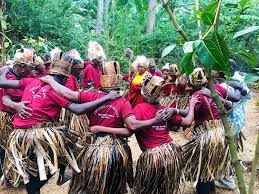
The slopes of Mount Kilimanjaro are not only known for breathtaking landscapes and trekking adventures—they are also home to one of Tanzania’s most fascinating ethnic groups: the Chagga people. Their rich culture and long history are deeply connected to the mountain itself.
Understanding Chagga culture gives visitors a deeper appreciation of Kilimanjaro beyond its natural beauty.
Who Are the Chagga People?
The Chagga (also spelled Chaga or Wachagga) are a Bantu-speaking ethnic group living on the southern and eastern slopes of Mount Kilimanjaro in northern Tanzania.
They are among the most economically developed communities in the region and are well known for:
- Intensive agriculture
- Strong community organization
- Deep respect for land and water resources
Their homeland is fertile due to volcanic soil and abundant rainfall from the mountain.
The Relationship Between Chagga People and Kilimanjaro
For the Chagga, Kilimanjaro is not just a mountain—it is part of their identity, history, and survival.
Traditionally, the mountain provided:
- Fertile farming land
- Fresh water from rivers and springs
- Forest resources for building and medicine
Because of this, the Chagga developed advanced farming systems long before modern agriculture.
Traditional Chagga Farming System
One of the most impressive aspects of Chagga culture is their “home garden” farming system.
It includes:
- Bananas as a staple crop
- Coffee grown under shade trees
- Vegetables and fruit plants mixed together
- Livestock kept in homesteads
This multi-layer farming system is highly sustainable and efficient, making the Chagga one of the most successful farming communities in East Africa.
Chagga Houses and Settlements
Traditional Chagga homes were built in a way that reflected both safety and climate adaptation.
Features included:
- Circular or rectangular huts
- Thatched roofs made from grass
- Enclosed homesteads for protection
- Underground tunnels (historically used for protection during conflicts)
These underground tunnels are part of the region’s historical defense systems.
History and Early Kingdoms
Before colonial times, the Chagga lived in small chiefdoms ruled by local leaders.
Important historical points:
- Multiple independent Chagga clans existed on different parts of the mountain
- Trade and alliances were common between clans
- Coffee became an important cash crop during later periods
During the German and British colonial eras, Chagga land became central to agricultural development in northern Tanzania.
Coffee Culture and Economic Growth
Coffee is one of the most important cultural and economic symbols among the Chagga people.
Introduced in the late 19th century, coffee farming:
- Became a major source of income
- Connected Chagga farmers to global markets
- Strengthened community development
Today, Chagga coffee is known for its high quality and is still widely cultivated on the slopes of Mount Kilimanjaro.
Cultural Traditions and Beliefs
Chagga culture is rich in traditions, storytelling, and respect for ancestors.
Some key elements include:
- Strong respect for elders
- Oral storytelling traditions
- Traditional ceremonies and rituals
- Deep spiritual connection to nature
The mountain itself is often viewed with respect and cultural significance.
Modern Chagga Life
Today, many Chagga people live modern lives while still maintaining cultural roots.
They are involved in:
- Education and business
- Agriculture and tourism
- Urban employment in cities like Arusha and Moshi
Tourism around Kilimanjaro also provides employment opportunities for local communities.
Chagga Culture and Tourism Today
Visitors trekking Mount Kilimanjaro often pass through Chagga villages. Cultural tours include:
- Traditional coffee-making experiences
- Visits to underground caves and historical sites
- Storytelling sessions about mountain history
- Local food tasting
These experiences help travelers connect with the human history of Kilimanjaro, not just its natural beauty.
Final Thought
The story of Mount Kilimanjaro is not complete without the Chagga people. Their history, farming systems, and cultural traditions are deeply woven into the identity of the mountain.
Exploring Chagga culture adds meaning to every trek, turning a climbing experience into a journey through both nature and living history.