

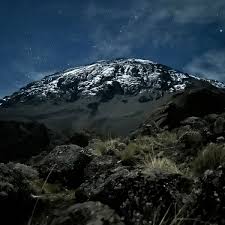
Summit night on Mount Kilimanjaro is the most challenging and emotional part of the entire climb. It is the moment when tired legs, thin air, freezing temperatures, and strong determination all collide in one long night toward the roof of Africa.
This is not just a hike—it is a test of endurance, patience, and mental strength.
The Evening Before the Summit Push
Before midnight, climbers rest at high camp after dinner, usually around 3,000–4,600 meters depending on the route. Sleep is light and restless.
There is a quiet tension in the air:
- Gear is prepared carefully
- Headlamps are checked
- Warm layers are worn on top of each other
- Hot drinks are taken slowly
Everyone knows what is coming. Nobody really sleeps deeply.
The Midnight Start: Into the Darkness
Around midnight to 1:00 AM, the climb begins.
The world outside is completely dark. Only headlamps form a slow-moving line up the mountain.
The atmosphere feels like:
- Silence broken only by footsteps
- Cold air biting the skin instantly
- A long, endless uphill slope ahead
At this point, you are no longer climbing for views—you are climbing for survival and achievement.
The Long Ascent: Step by Step Struggle
This is the hardest section of the entire trek.
The path is steep, often loose with volcanic scree. Each step feels like sliding half a step back.
Common experiences:
- Slow pace: “pole pole” (slowly, slowly) becomes your rhythm
- Heavy breathing due to low oxygen
- Frequent stops just to regain strength
- Mental fatigue more than physical pain
You don’t talk much. You just move.
The Cold Reality at High Altitude
As you climb higher, the temperature drops sharply. It can reach below freezing, with strong wind making it feel even colder.
At this stage:
- Fingers feel numb
- Water bottles freeze
- Energy levels drop quickly
- Headache or nausea may appear due to altitude
Yet climbers continue, step after step, driven by the goal ahead.
The Final Push to the Crater Rim
After hours of climbing in darkness, you finally reach the crater rim.
This moment is emotional and physically overwhelming:
- The sky starts turning from black to deep blue
- The air feels even thinner
- The hardest part is behind you, but the summit is still ahead
You realize you are now very close to Uhuru Peak.
Sunrise on the Roof of Africa
As the sun rises, everything changes.
Golden light spreads across glaciers and volcanic rocks. Clouds sit far below you, creating an ocean-like view.
This is the moment many climbers remember forever:
- Pain turns into pride
- Exhaustion turns into joy
- Silence turns into emotion
You are standing above Africa.
Reaching Uhuru Peak
The final walk to the summit sign is short but deeply emotional.
When you finally arrive at Uhuru Peak:
- Relief hits first
- Then disbelief
- Then joy, often tears
It is not just a destination—it is the reward for every step taken through the night.
The Descent: A Different Kind of Challenge
After celebrating briefly, climbers begin descending. Surprisingly, going down can feel just as exhausting on the knees and body.
But mentally, everything feels lighter:
- The goal has been achieved
- The pressure is gone
- The story is already unforgettable
Final Thought
The Kilimanjaro summit night on Mount Kilimanjaro is not just about reaching the top. It is about discovering what happens when you keep going in complete darkness, when your body wants to stop, but your spirit refuses to quit.
It is one of the most powerful travel experiences on Earth—and it stays with you long after you descend the mountain.