

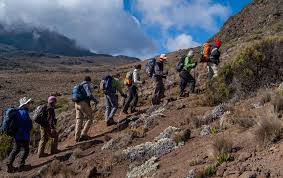
As tourism continues to grow in Tanzania, protecting the environment and supporting local communities around Mount Kilimanjaro has become more important than ever. In 2026, sustainable trekking is not just a trend—it is a responsibility for every climber who visits Africa’s highest peak.
Sustainable trekking ensures that the mountain remains beautiful, safe, and valuable for future generations.
What Is Sustainable Trekking?
Sustainable trekking means climbing in a way that:
- Protects the natural environment
- Supports local communities
- Reduces waste and pollution
- Ensures fair treatment of workers
On Mount Kilimanjaro, this includes respecting wildlife, minimizing plastic use, and choosing ethical tour operators.
Why Sustainability Matters on Kilimanjaro
The number of climbers on Kilimanjaro has increased over the years. Without proper management, this can lead to:
- Waste accumulation on the mountain
- Environmental degradation
- Pressure on water sources
- Unfair working conditions for porters
Sustainable trekking helps balance tourism growth with environmental protection.
Leave No Trace Principles
One of the most important rules for climbers is “Leave No Trace.” This means:
- Carrying all trash back down the mountain
- Avoiding single-use plastics
- Staying on designated trails
- Not disturbing plants or wildlife
Every climber plays a role in keeping the mountain clean.
Supporting Local Communities
Sustainable trekking is not only about nature—it is also about people.
Around Mount Kilimanjaro, local communities depend on tourism for income. Responsible trekking supports them by:
- Hiring local guides and porters
- Buying local products and crafts
- Staying in community-based accommodations
- Respecting local culture and traditions
This ensures tourism benefits the people who live near the mountain.
Porter Welfare and Ethical Tourism
A key part of sustainability is how porters are treated. Ethical trekking companies ensure:
- Fair wages and contracts
- Safe load limits
- Proper food and accommodation
- Insurance and medical support
Organizations like the Kilimanjaro Porters Assistance Project (KPAP) help promote fair treatment of porters on the mountain.
Choosing KPAP-certified operators is one of the best ways to support sustainable trekking.
Eco-Friendly Gear and Practices in 2026
Modern trekking encourages climbers to use environmentally friendly equipment:
- Reusable water bottles instead of plastic
- Solar-powered chargers
- Biodegradable toiletries
- Lightweight gear to reduce porter load
Small choices from climbers make a big environmental difference.
Waste Management on the Mountain
One of the biggest improvements in recent years is better waste control systems.
Tour operators now:
- Collect all waste from camps
- Separate recyclable materials
- Transport waste back to disposal facilities
However, success depends on climbers also following the rules.
Climate Change and Kilimanjaro
The glaciers of Mount Kilimanjaro have been shrinking over time due to climate change. This makes sustainability even more urgent.
Responsible trekking helps by:
- Reducing carbon footprints
- Supporting conservation programs
- Raising awareness about environmental protection
Every climber becomes part of the solution.
How to Be a Responsible Climber in 2026
If you are planning a Kilimanjaro trek, here are simple steps to make it sustainable:
- Choose eco-certified tour operators
- Respect wildlife and vegetation
- Avoid littering at all costs
- Follow guide instructions at all times
- Support local communities ethically
Final Thought
Climbing Mount Kilimanjaro in 2026 is more than an adventure—it is a chance to protect one of the world’s greatest natural landmarks.
Sustainable trekking ensures that future generations can still experience the beauty of reaching Uhuru Peak, while local communities continue to benefit from responsible tourism.
A great climb is not just about reaching the top—it is about leaving the mountain better than you found it.